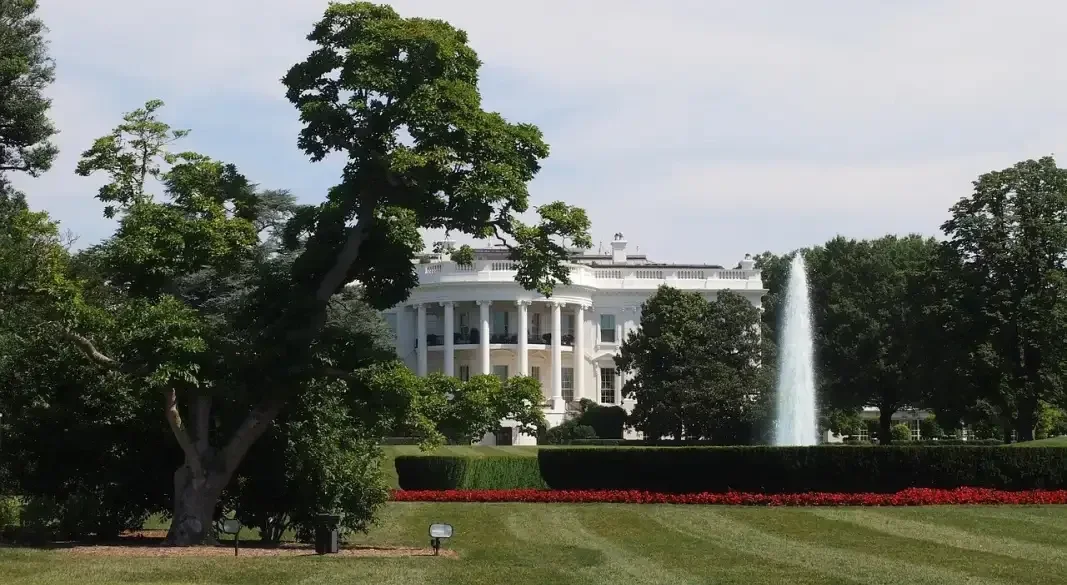
Washington, D.C. — The White House has significantly reduced the size of its National Security Council (NSC) in what officials describe as a sweeping and strategic reorganization aimed at increasing efficiency, cutting bureaucracy, and redefining the administration’s foreign policy workflow.
The restructuring marks one of the most substantial overhauls of the NSC in recent years. According to senior administration officials, the move is intended to streamline internal processes, reduce redundancy across agencies, and ensure that the NSC functions as a core strategic advisory body — not as a parallel operational structure.
The staff reductions affect various departments within the NSC, including regional and functional directorates. While the exact number of cuts has not been disclosed publicly, multiple director-level and senior advisor roles are said to be either reassigned or phased out in the coming weeks. Support positions and policy staff are also impacted, as the White House moves to centralize decision-making and tighten its command structure on national security matters.
In a statement released earlier today, a senior official emphasized that the reorganization reflects a renewed commitment to a “leaner, more agile” security council — one capable of responding more effectively to a rapidly evolving global landscape. The official noted that the restructure will not compromise national security priorities or operational capabilities.
Analysts suggest the latest cuts may be part of a broader White House strategy to return the council to its original advisory role — focused more on interagency coordination and long-term planning than daily execution of foreign policy.
Despite the magnitude of the changes, the administration has reassured allies and partners that key international commitments remain unchanged, and that diplomacy, defense coordination, and intelligence integration will continue without disruption.
As the restructuring process unfolds, further announcements regarding new leadership roles, redefined directorates, and updated policy priorities are expected in the coming days.