




























 Crime
Caught on Camera: Masked Gang Loots Bank in Broad Daylight
Breaking news
Crime
Crime
Caught on Camera: Masked Gang Loots Bank in Broad Daylight
 Crime
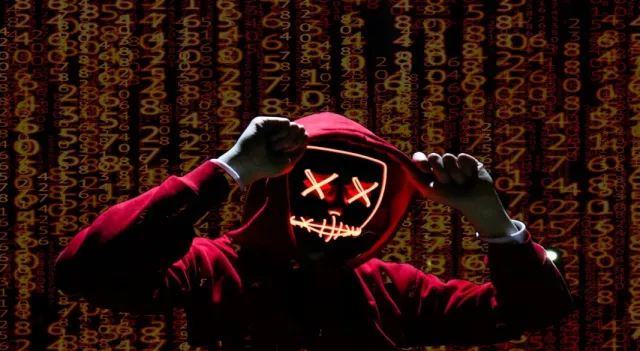
Cybercrime Crackdown: Police Bust International Hacking Syndicate
 Crime
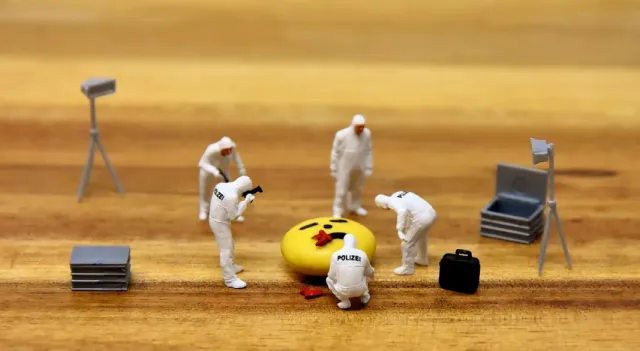
Chilling Discovery: Missing Teen’s Body Found in Abandoned Warehouse
 Crime
Midnight Mayhem: Armed Robbers Strike Jewelry Store in Daring Heist
Crime
Deadly Dispute: Family Feud Ends in Triple Homicide
In an astonishing turn of events, a rising social media influencer known for her luxurious lifestyle and motivational content was arrested on Sunday i...
Read MoreLife Style



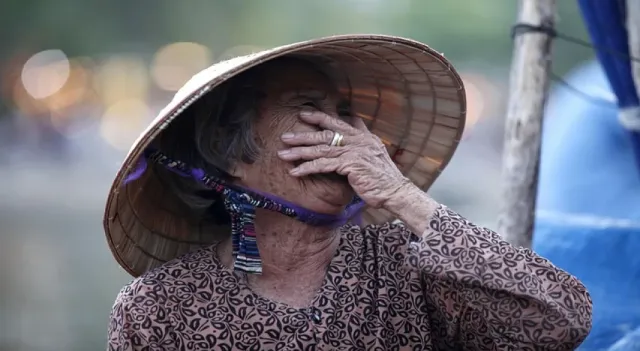
 In cities like New York, Seoul, and Berlin, photography has become deeply intertwined
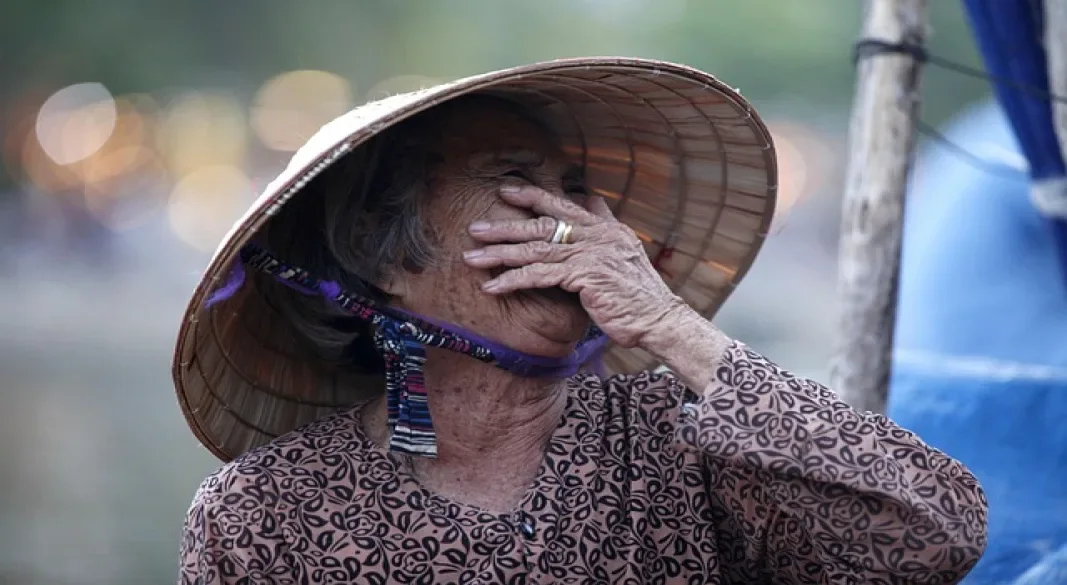 Photographers are reclaiming their heritage—using traditional attire, rural landscapes
 In refugee camps in Jordan, schoolchildren are given disposable cameras
 Photography takes an instant out of time, altering life by holding it still.
International News

Russia warns strike on Iran's Bushehr nuclear plant could cause 'Chernobyl-style catastrophe


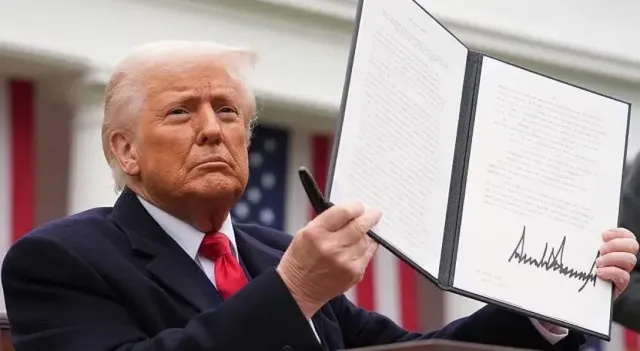




Russia warns strike on Iran's Bushehr nuclear plant could cause 'Chernobyl-style catastrophe
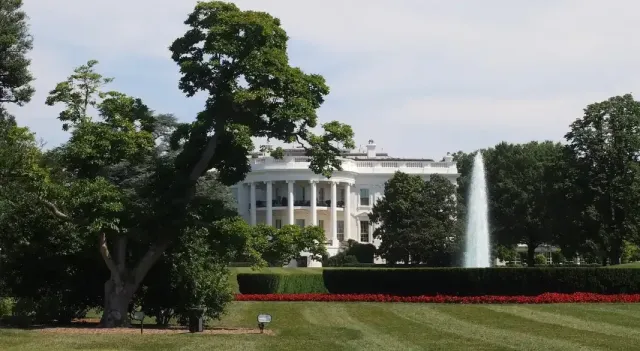
White House National Security Council slashes staff in dramatic restructuring, sources say

18 injured in knife attack in Hamburg, report says
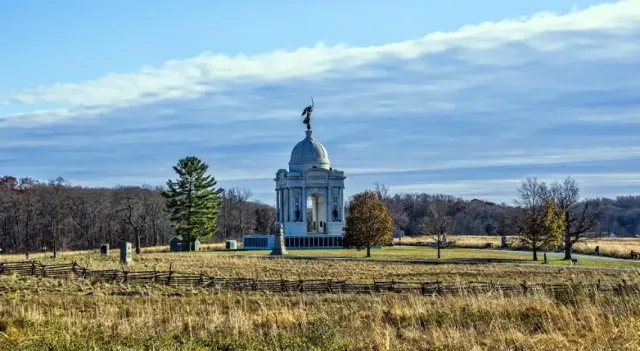
Russia, Ukraine each free first 390 prisoners in start of war's biggest swap

Business
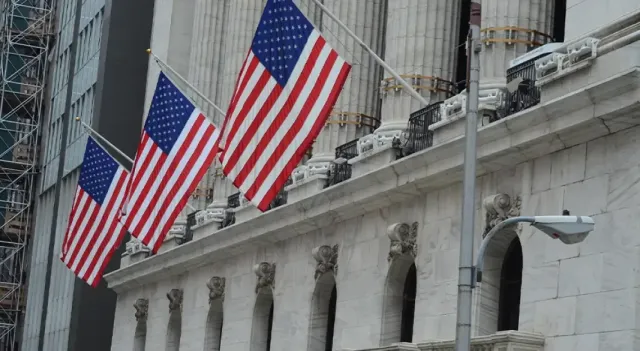
Global Stock Markets Mixed Amid Inflation Worries and Earnings Reports
Montu Mian
July 26, 2025
0
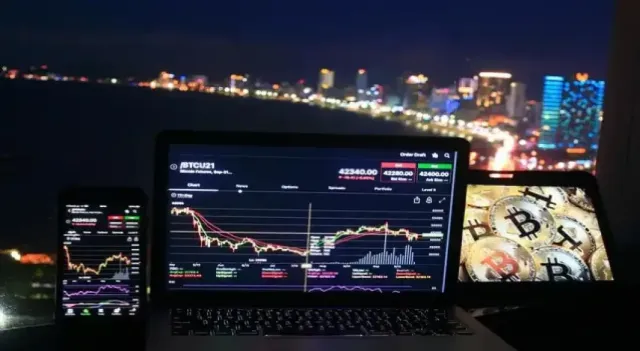
Institutional Investment and Regulatory Clarity Fuel New Growth
Jamil Saxona
July 26, 2025
0

How Modern POS Systems Are Transforming Retail Businesses Worldwide
Jamil Saxona
July 20, 2025
0

Politics
Tensions and Conflict Define Recent Months In the last few months, the global political landscape
Jamil Saxona
July 20, 2025
0
Demographic Shifts in the United States: A Changing Nation Over Time
The United States has long been known as a nation of immigrants and diversity. Over the last century, significant demographic changes have occurred due to immigration patterns, birth rates, cultural shifts, and changing social values. This report outlines how the racial, regional, religious, and national origin composition of the U.S. population has evolved — and where it’s heading. Table 1: U.S. Population by Race/Ethnicity (1960–2024) Year White (Non-Hispanic) Black Hispanic/Latino Asian Native American Multiracial Other 1960 85% 10.5% 3.5% 0.5% 0.3% — 0.2% 1980 80% 11.5% 6.4% 1.5% 0.6% — 0.3% 2000 69% 12.3% 12.5% 3.6% 0.9% 2.4% 0.3% 2020 59.3% 13.4% 18.5% 5.9% 1.3% 2.8% 0.1% 2024* 57.1% 13.2% 19.1% 6.5% 1.4% 3.1% 0.2% Over the last six decades, the regional distribution of the U.S. population has undergone a substantial transformation. Economic shifts, climate preferences, and immigration patterns have contributed to the steady rise of the South and West as the primary hubs of growth, while the Northeast and Midwest have seen their shares of the national population gradually decline. The United States Census Bureau divides the country into four main regions: Northeast, Midwest, South, and West. Over the past several decades, regional population distribution has shifted significantly due to migration trends, job availability, climate preferences, and immigration. Table 2: Regional Population Distribution (by U.S. Census Regions) Region 1960 1980 2000 2020 2024 (Est.) Northeast 25% 22% 19% 17% 16.5% Midwest 29% 27% 23% 20% 19.7% South 31% 34% 36% 38% 39.2% West 15% 17% 22% 25% 24.6% Key Takeaway: The South and West have seen consistent growth due to warmer climates, job markets, and immigration hubs (e.g., Texas, Florida, California). The religious landscape of the United States has undergone a dramatic transformation over the past 70 years. While the country once identified overwhelmingly as Christian — particularly Protestant — more Americans today are choosing no religious affiliation, a trend that reflects shifting cultural norms, generational change, and growing diversity. Demography by religion Religion 1950 1980 2000 2020 2024 (Est.) Protestant 69% 56% 51% 40% 39% Catholic 25% 27% 24% 21% 20% Jewish 3% 2.5% 2% 1.8% 1.8% Muslim <0.1% 0.5% 1% 1.3% 1.5% Hindu/Buddhist <0.1% 0.5% 1.5% 2% 2.2% Unaffiliated 2% 7% 15% 27% 29% Key Shift: The rise of the “nones” (religiously unaffiliated) is among the most dramatic religious shifts in recent history. Immigration has always been a cornerstone of the American story. But over the past 60 years, the origins of the U.S. foreign-born population have changed dramatically — shifting from a Europe-dominated pattern to one led by Latin America, Asia, and more recently, Africa. These demographic transformations reflect both global trends and U.S. immigration policy reforms. Summary Insights Racial Diversity Growing Rapidly: Non-Hispanic Whites are no longer a supermajority. By 2045, the U.S. is projected to be “minority-majority.” Regional Power Shift: The South and West are economic and population growth engines. Religious Landscape is Secularizing: Protestants and Catholics are declining; the religiously unaffiliated are growing fastest. Immigration Patterns Have Shifted: From European-dominated to Latin American and Asian-majority since 1965’s Immigration and Nationality Act.
Supreme Court Ruling on Presidential Immunity Sparks Nationwide Debate
The U.S. Supreme Court issued a landmark ruling on Monday, declaring that former presidents are entitled to partial immunity from criminal prosecution for actions taken while in office. The 6-3 decision, split along ideological lines, has triggered intense political and legal debate across the country.The ruling stems from charges brought against former President Donald Trump, who has faced multiple indictments related to alleged interference in the 2020 presidential election and events surrounding the January 6 Capitol riot. The Court’s decision now makes it more difficult for prosecutors to pursue charges for actions deemed as part of a president's official duties. Divided Reactions President Joe Biden responded to the ruling by calling it a “dangerous precedent” that could place future presidents above the law. “No one in America should be beyond accountability,” he said during a press conference.Republican leaders, however, welcomed the decision. House Speaker Steve Scalise stated, “This ruling upholds the constitutional separation of powers and protects the office of the presidency from political attacks.”The recent Supreme Court ruling on presidential immunity has ignited intense debate across the United States, with sharp divisions emerging among legal experts, lawmakers, and the public. The decision, which sets new boundaries on the legal protections afforded to sitting presidents, has far-reaching implications for the balance of power and accountability in government. Supporters argue that the ruling upholds the integrity of the executive office by protecting it from politically motivated prosecutions, while critics warn that it could open the door to unchecked presidential authority. What the Ruling Means The Court ruled that while presidents do not have absolute immunity, they are shielded from criminal prosecution for actions that are “within the outer perimeter of official presidential responsibilities.” However, personal or unofficial actions remain subject to prosecution.Legal experts say the ruling could delay several of Trump’s ongoing legal cases, potentially impacting the 2024 election season, where Trump remains the leading Republican contender. As protests, press conferences, and panel discussions erupt nationwide, the ruling is expected to influence upcoming elections and reshape the legal landscape surrounding executive power for years to come. Public Response The recent Supreme Court ruling on presidential immunity has ignited intense debate across the United States, with sharp divisions emerging among legal experts, lawmakers, and the public. The decision, which sets new boundaries on the legal protections afforded to sitting presidents, has far-reaching implications for the balance of power and accountability in government. Supporters argue that the ruling upholds the integrity of the executive office by protecting it from politically motivated prosecutions, while critics warn that it could open the door to unchecked presidential authority. As protests, press conferences, and panel discussions erupt nationwide, the ruling is expected to influence upcoming elections and reshape the legal landscape surrounding executive power for years to come.
Opposition Secures Majority in Landmark General Elections
Colombo, July 1, 2025 — In a dramatic electoral upset that signals a new era in Sri Lankan politics, the United Democratic Alliance (UDA) has swept to power, dethroning the long-dominant ruling coalition in the 2025 General Elections. The victory paves the way for Anura Desilva to assume office as Prime Minister, riding a wave of public discontent over economic turmoil, corruption allegations, and youth frustration. Election Overview The UDA’s decisive win marks the first change in central leadership in over 12 years, breaking the stronghold of the United People’s Coalition (UPC), led by outgoing Prime Minister Dilan Jayawardene. According to the Election Commission of Sri Lanka, voter turnout hit a record 78%, with unusually high participation from first-time voters and the 18–30 age demographic. Youth-driven campaigns and social media engagement were central to the UDA's momentum, particularly in urban centers such as Colombo, Kandy, and Galle. Parliamentary Seat Distribution – 2025 General Election Political Party Seats Won Change from 2020 Vote Share (%) United Democratic Alliance (UDA) 132 +47 46.2% United People’s Coalition (UPC) 87 -52 34.1% National People’s Front (NPF) 18 +5 9.7% Tamil Unity Alliance (TUA) 12 0 6.3% Others / Independents 6 0 3.7% Total Seats 255 — 100% Key Factors Behind the UDA Victory Sri Lanka has faced persistent inflation, currency devaluation, and foreign debt pressures in recent years. The UDA campaigned on a bold plan to revitalize the economy, promising foreign investment reforms, reduced import dependency, and job creation for youth. Desilva’s repeated calls for government transparency and clean politics resonated with voters weary of high-profile corruption scandals linked to the outgoing administration. The UDA’s tech-savvy approach—leveraging social media, virtual town halls, and influencer-led content—connected with younger demographics and the urban middle class. A Peaceful Transition Amid International Applause Prime Minister Dilan Jayawardene, who had held the post since 2013, gracefully conceded defeat late Tuesday evening. In a televised statement, he said: “The people have spoken clearly and decisively. I urge all parties to support a peaceful transfer of power and wish Prime Minister-designate Anura Desilva all success.” Global leaders, including Indian Prime Minister Priya Mehta, EU President Claudia Sørensen, and U.S. President Mark Gonzalez, issued swift congratulatory messages. The United Nations and Commonwealth Election Monitoring Group both commended the election for being “free, fair, and well-administered.” What’s Next for the New Government Forming an Independent Anti-Corruption Task Force Renegotiating foreign debt terms with IMF and China Unveiling a National Employment Stimulus Package Reforming education and digital infrastructure Introducing legislation for media freedom and civil rights protections Public Sentiment and Expert Views On the streets of Colombo and in rural towns alike, the mood is one of cautious optimism.“I didn’t expect this result, but I’m happy,” said Kavindi Jayasuriya, a 22-year-old voter in Gampaha. “We need new faces, new thinking. I just hope they follow through.” Political analysts have described the result as a “tectonic shift” that could reshape Sri Lanka’s governance model. Dr. Nalaka Perera, a political science professor at the University of Peradeniya, noted: “This election marks a generational change. Voters demanded accountability, and the system delivered. If Desilva keeps his promises, this could be a pivotal turning point.” Conclusion: Winds of Change As Sri Lanka turns the page on an entrenched political chapter, expectations are soaring. The new administration inherits a fragile economy and deep institutional challenges but also carries a powerful mandate from a hopeful electorate.Whether the UDA’s sweeping victory leads to lasting reform or stumbles under the weight of its promises remains to be seen. For now, though, Sri Lanka basks in the glow of democratic renewal, and the world watches closely as a new chapter begins.

Recommended posts

Sports
Collegiate Power Shifts and Legal Battles Ignite College Sports Landscape
Kalam Khan
July 20, 2025
0
International News
View all

Popular post
Supreme Court Ruling on Presidential Immunity Sparks Nationwide Debate
The U.S. Supreme Court issued a landmark ruling on Monday, declaring that former presidents are entitled to partial immunity from criminal prosecution for actions taken while in office. The 6-3 decision, split along ideological lines, has triggered intense political and legal debate across the country.The ruling stems from charges brought against former President Donald Trump, who has faced multiple indictments related to alleged interference in the 2020 presidential election and events surrounding the January 6 Capitol riot. The Court’s decision now makes it more difficult for prosecutors to pursue charges for actions deemed as part of a president's official duties. Divided Reactions President Joe Biden responded to the ruling by calling it a “dangerous precedent” that could place future presidents above the law. “No one in America should be beyond accountability,” he said during a press conference.Republican leaders, however, welcomed the decision. House Speaker Steve Scalise stated, “This ruling upholds the constitutional separation of powers and protects the office of the presidency from political attacks.”The recent Supreme Court ruling on presidential immunity has ignited intense debate across the United States, with sharp divisions emerging among legal experts, lawmakers, and the public. The decision, which sets new boundaries on the legal protections afforded to sitting presidents, has far-reaching implications for the balance of power and accountability in government. Supporters argue that the ruling upholds the integrity of the executive office by protecting it from politically motivated prosecutions, while critics warn that it could open the door to unchecked presidential authority. What the Ruling Means The Court ruled that while presidents do not have absolute immunity, they are shielded from criminal prosecution for actions that are “within the outer perimeter of official presidential responsibilities.” However, personal or unofficial actions remain subject to prosecution.Legal experts say the ruling could delay several of Trump’s ongoing legal cases, potentially impacting the 2024 election season, where Trump remains the leading Republican contender. As protests, press conferences, and panel discussions erupt nationwide, the ruling is expected to influence upcoming elections and reshape the legal landscape surrounding executive power for years to come. Public Response The recent Supreme Court ruling on presidential immunity has ignited intense debate across the United States, with sharp divisions emerging among legal experts, lawmakers, and the public. The decision, which sets new boundaries on the legal protections afforded to sitting presidents, has far-reaching implications for the balance of power and accountability in government. Supporters argue that the ruling upholds the integrity of the executive office by protecting it from politically motivated prosecutions, while critics warn that it could open the door to unchecked presidential authority. As protests, press conferences, and panel discussions erupt nationwide, the ruling is expected to influence upcoming elections and reshape the legal landscape surrounding executive power for years to come.
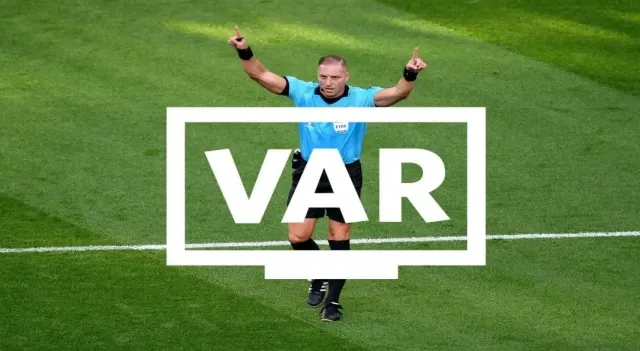
FIFA Proposes Radical Overhaul of Football Penalties and VAR
Football’s rulemakers are pushing for sweeping change ahead of the 2026 FIFA World Cup, redefining how penalties and VAR decisions are adjudicated in high-stakes matches. The centerpiece proposal: abolish penalty rebounds. Under the new rule, once a penalty kick is taken—regardless of outcome—play would end immediately. Any rebound off the keeper or post ends in a goal kick awarded to the defensive team. Proponents say this mirrors shoot-out clarity, resolves VAR encroachment retakes, and reduces contentious second-chance controversy. Talk Sport Channel In a startling revelation, the CEO of a prominent "rent-a-crowd" agency has lifted the lid on the booming U.S. protest industry, exposing how political movements, corporate interests, and influencers routinely pay to stage large-scale demonstrations. Speaking anonymously, the executive detailed how thousands of actors and extras are hired to pose as passionate activists, boosting media coverage and swaying public opinion. From climate rallies to anti-corporate marches, these manufactured protests are meticulously choreographed, with participants receiving scripts, signs, and hourly pay. The disclosure raises serious ethical questions about authenticity in civic movements and the manipulation of democratic discourse. Simultaneously, VAR’s purview may expand significantly: future iterations would allow reviews of second yellow cards and corner-kick decisions, expanding beyond current limits that restrict it to straight red incidents. These changes aim to improve fairness but raise concerns over game flow and the human dynamic on the pitch. Talksport critics, including talkSPORT pundit Alan Brazil, labeled the proposals “a load of tosh,” arguing such regulation shifts remove nuance and over-engineer natural gameplay. Another theoretical change under consideration—Arsène Wenger’s “daylight offside rule”—would require attackers to be fully separated from defenders to be ruled onside, increasing objectivity but potentially changing traditional offside dynamics. Talksport These reforms also address double-touch penalties, stipulating retakes rather than awarding goals where infringement occurs, such as the incident with Julian Álvarez in last season’s Champions League. All measures are subject to ratification by February 2026 to take effect during the World Cup. Talksport. Should these rule changes pass, they would redefine football officiating—from grassroots leagues adopting new penalty protocols to elite matches experiencing altered stoppage patterns and VAR triggers.The potential implications are vast: strategic behavior, coach tactics during penalty sequences, and player conduct under intensified replay scrutiny could all shift. With the World Cup on the horizon, football’s global governing body may soon pivot action from debate to implementation.
AI-Powered Travel Planning Is Taking Over
The Smart Way to See the World: How AI Is Revolutionizing Travel In an age where time is precious and wanderlust runs deep, artificial intelligence (AI) is becoming the ultimate travel companion. Gone are the days of juggling dozens of browser tabs, flipping through outdated guidebooks, or relying on guesswork. In 2025, planning a trip is as effortless as asking the right question—and letting AI do the rest. From the way we search for destinations to how we experience them in real time, AI is reshaping travel into something smarter, faster, and deeply personal. Here’s how it’s changing the game: Personalized Planning at Lightning Speed AI takes your travel preferences—budget, travel style, past trips, and even your online behavior—and instantly curates custom itineraries. Whether you're a solo backpacker or a family planner, platforms like Google Travel and Hopper analyze real-time data to recommend the best times to fly, where to stay, and what to do—tailored just for you. Need to change a flight, book a last-minute hotel, or file a baggage complaint? AI-powered chatbots now handle customer service around the clock—no more hold music or call center frustration. These virtual agents respond in seconds, speak your language, and are trained to solve real issues efficiently. Seamless Experiences Beyond Booking AI continues to assist even after you’ve boarded the plane. From live translation apps and AR-guided tours to facial recognition at airports, tech-enhanced journeys are smoother and more immersive. Your smartphone becomes your personal concierge, navigator, and translator—all powered by intelligent systems. While AI makes travel more efficient, it hasn’t replaced the value of human intuition. For complex trips or once-in-a-lifetime experiences, many still trust human travel advisors. But for most travelers, AI offers freedom from stress and planning fatigue—without losing the joy of discovery. The Future Is Here AI isn’t just helping us travel—it’s redefining how we connect with the world. With smart tools at your side, the hardest part of your next adventure might just be deciding where to go.




Health

Teen Screen Time Linked to Poor Sleep and Rising Depression Rates, Study Finds
Kalam Khan
July 13, 2025
0

Heatwave Health Emergency: Rising Temperatures Trigger Spike in Heat-Related Illnesses

Global Health Alert: Surge in Lifestyle-Related Diseases Sparks Urgent Call for Preventive Action

Those who walked in groups had higher motivation to stay active