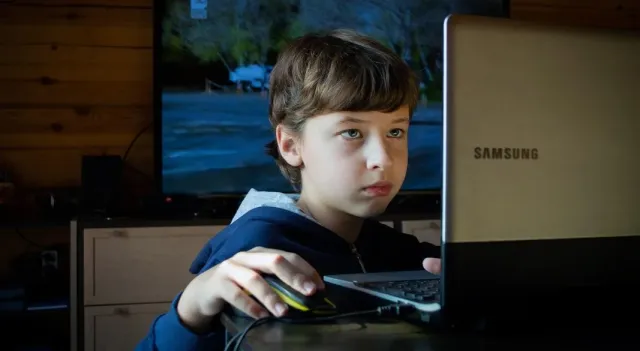
A major new international study has found a strong link between excessive screen time and mental health challenges in adolescents, including rising rates of insomnia, anxiety, and depression. The report, published by the Global Youth Wellness Foundation (GYWF), surveyed 72,000 teenagers aged 13 to 19 across 20 countries, including Bangladesh, the U.S., UK, and Japan. The study revealed that teenagers who spend more than 4 hours a day on social media or smartphones are twice as likely to report symptoms of poor sleep quality, mood swings, and lack of motivation. Digital Overload and the "Always-On" Culture "Teens today are exposed to a constant stream of notifications, comparisons, and content that overstimulates the brain," said Dr. Nafisa Chowdhury, lead researcher on the Bangladesh team. “It disrupts their sleep cycles, reduces face-to-face interactions, and fuels self-esteem issues.” Many teens reported checking their phones immediately before sleeping and even waking up at night to respond to messages or scroll through TikTok and Instagram. Mental Health Crisis in the Digital Age The study found: 34% of respondents reported signs of clinical depression 41% had trouble sleeping more than 3 nights a week 29% felt "chronically anxious" or socially disconnected Girls were more likely to report emotional distress linked to social media use In Dhaka, psychologists at private clinics say they’ve seen a threefold increase in teen patients over the past two years. What Experts Recommend Digital curfews: No screens 1 hour before bed App timers: Set daily limits for entertainment/social platforms Offline time: Encourage outdoor activities or family meals Mental health education: Include digital wellness in school curriculum Government Initiatives Underway In response to the growing concern, Bangladesh’s Ministry of Education is working with health officials to launch a "Safe Screens" campaign in schools, promoting healthy digital habits and offering workshops for both students and parents. “This is a national issue, and we must protect our next generation,” said Dr. Mostafa Kamal, advisor to the National Adolescent Health Program.

Hospitals across Asia, Europe, and parts of North America are reporting a sharp rise in heat-related illnesses as global temperatures reach record highs this July. Health authorities are issuing urgent heatwave warnings and advising people, especially the elderly and children, to take precautions as climate change fuels more extreme weather events. According to the World Meteorological Organization (WMO), over 60 countries have recorded temperatures above 42°C (107.6°F) in the last two weeks — the highest since 2019. Cities like Delhi, Dhaka, Cairo, and Phoenix are seeing emergency rooms fill up with patients suffering from heatstroke, dehydration, and cardiovascular strain. Vulnerable Populations at Risk The elderly, people with chronic diseases, outdoor workers, and those without access to cooling are especially vulnerable.“We are seeing a rise in severe dehydration, kidney problems, and even deaths due to prolonged heat exposure,” said Dr. Tahmina Rahman, Head of Emergency Medicine at Dhaka Shishu Hospital. In Bangladesh, at least 32 people have died due to heat-related complications in the last month alone, and over 1,500 patients have been treated for heat exhaustion across government hospitals. Governments Respond With Emergency Measures Countries are issuing heatwave alerts, distributing drinking water, and opening "cooling shelters" in public spaces. Bangladesh’s Ministry of Health has launched a hotline for emergency support and is advising schools to adjust class hours or shift to remote learning during extreme heat. “We are urging citizens to stay indoors during peak hours, wear light clothing, and stay hydrated,” said Dr. Abu Nasir, spokesperson for the DGHS. Experts say the current crisis is a warning of what’s to come if global warming is not addressed more aggressively. “Climate change isn’t just an environmental issue anymore — it’s a public health emergency,” warned Dr. Lin Zhang, a climate-health researcher at the University of Toronto. The UN Intergovernmental Panel on Climate Change (IPCC) predicts that by 2030, heatwaves could claim over 250,000 lives annually if current trends continue. What You Can Do: Avoid going out between 12 PM and 4 PM Drink 2.5–3 liters of water daily Use fans, cool cloths, or wet towels Never leave children or pets in parked vehicles Check on elderly neighbors or those living alone If you experience signs of heatstroke (dizziness, dry skin, rapid heartbeat), seek medical attention immediately.

The World Health Organization (WHO) has issued a warning about the sharp rise in lifestyle-related illnesses worldwide, calling for immediate action to combat what experts are calling a "silent epidemic" of preventable diseases. According to a 2025 Global Health Report released this week, non-communicable diseases (NCDs) such as diabetes, high blood pressure, obesity, heart disease, and depression are responsible for nearly 74% of all global deaths — a dramatic increase from previous years. A Crisis Fueled by Modern Living Experts blame modern lifestyles — including sedentary behavior, unhealthy diets, stress, lack of sleep, and excessive screen time — for the growing burden of NCDs. “People are moving less, eating more processed food, and living in high-stress environments,” said Dr. Maria Caruso, WHO’s Director of Global Wellness. “The result is a generation at greater risk of chronic illness at younger ages.” In Bangladesh, recent health data from the Ministry of Health and Family Welfare shows that over 12 million adults are living with diabetes, and cases of high blood pressure among people under 35 have nearly doubled since 2020. Mental Health Under Pressure Alongside physical health concerns, mental health remains a major issue. The pandemic's long-term effects, coupled with economic uncertainty and social media addiction, have driven a steep rise in anxiety and depression. A 2025 survey by BRAC Health found that 1 in 3 young people in urban Bangladesh experience moderate to severe stress, often linked to academic pressure, unemployment, and excessive smartphone use. “Increased screen time, disrupted sleep cycles, and a lack of outdoor activity are major contributors,” explained Dr. Rubina Haque, a psychologist at Dhaka Medical College Hospital. “Many young people are silently struggling.” New Push for Preventive Care In response to these trends, health authorities in many countries are shifting focus from treatment to prevention. Bangladesh’s government is launching new public awareness campaigns promoting physical activity, mental health checkups, and regular screenings for blood pressure and blood sugar. Several schools and workplaces are introducing mandatory fitness breaks, healthy canteens, and digital wellness programs aimed at reducing stress and encouraging healthier living. “Health is no longer just a hospital issue,” said Dr. Kamal Uddin, Director of Community Health at the Directorate General of Health Services (DGHS). “It’s a personal, family, and societal responsibility.” Tech and Telemedicine on the Rise Meanwhile, telemedicine and AI-powered health apps are making basic care more accessible. Platforms like Doctorola and Praava Health are helping patients connect with doctors online, order medicines, and monitor chronic conditions from home. Wearable devices, like smartwatches with health tracking, are also gaining popularity for real-time monitoring of heart rate, sleep, and stress levels. Looking Ahead As the world faces growing health threats — from poor lifestyle habits to environmental pollution — experts stress the importance of early education, community support, and government action. “If we don’t act now, we’ll have a future generation that’s sicker and more dependent on long-term treatment,” warned Dr. Caruso. “But with the right interventions, much of this is still preventable.”

A new study published this week in the British Journal of Sports Medicine reveals that walking just 30 minutes a day can significantly reduce the risk of developing chronic diseases such as heart disease, diabetes, and certain cancers. Researchers from King’s College London followed over 12,000 adults aged between 40 and 70 for a period of 10 years. The study found that those who engaged in brisk walking daily had up to a 25% lower risk of heart-related illnesses compared to those with a sedentary lifestyle. “Walking is one of the simplest and most accessible forms of physical activity, yet its benefits are profound,” said Dr. Amelia White, the lead author of the study. “Our research confirms that even moderate movement each day can have a powerful impact on long-term health.” Other Key Findings: Participants who walked in green or natural environments saw greater mental health improvements. Risk of Type 2 diabetes was reduced by 19% in regular walkers. Those who walked in groups had higher motivation to stay active. Participants who walked in green or natural environments saw greater mental health improvements. Risk of Type 2 diabetes was reduced by 19% in regular walkers. Those who walked in groups had higher motivation to stay active. A Global Trend Health experts worldwide are echoing the message, especially in urban centers where sedentary lifestyles are increasingly linked to health problems. The World Health Organization (WHO) recently emphasized physical activity as a top priority for improving global health outcomes. A new study published this week in the British Journal of Sports Medicine reveals that walking just 30 minutes a day can significantly reduce the risk of developing chronic diseases such as heart disease, diabetes, and certain cancers. Researchers from King’s College London followed over 12,000 adults aged between 40 and 70 for a period of 10 years. The study found that those who engaged in brisk walking daily had up to a 25% lower risk of heart-related illnesses compared to those with a sedentary lifestyle. “Walking is one of the simplest and most accessible forms of physical activity, yet its benefits are profound,” said Dr. Amelia White, the lead author of the study. “Our research confirms that even moderate movement each day can have a powerful impact on long-term health.” Public Health Response In response to the findings, the UK’s Department of Health and Social Care announced plans to launch a new campaign titled “Step Forward: 30 Minutes a Day” to encourage more people to incorporate walking into their daily routine. Dr. Amelia White, the lead author of the study. “Our research confirms that even moderate movement each day can have a powerful impact on long-term health.” A Global Trend Health experts worldwide are echoing the message, especially in urban centers where sedentary lifestyles are increasingly linked to health problems. The World Health Organization (WHO) recently emphasized physical activity as a top priority for improving global health outcomes.

In recent years, Bangladesh has witnessed a concerning surge in lifestyle-related diseases such as diabetes, hypertension, heart disease, and obesity. Health experts and medical professionals are sounding the alarm as these non-communicable diseases (NCDs) are becoming increasingly common among people of all ages, especially in urban areas. The trend indicates a significant shift in the nation’s health landscape, which once was more focused on communicable diseases and infections. According to the Bangladesh Bureau of Statistics and several health studies, one in every three adults is at risk of developing high blood pressure, while diabetes is affecting both middle-aged and younger individuals at an alarming rate. Cardiovascular diseases are now one of the leading causes of premature death in the country. Doctors say this shift is largely driven by rapid urbanization, poor lifestyle choices, and lack of health education. The root causes of this growing health threat are deeply linked to changing lifestyles. Fast food consumption has increased dramatically in the past decade, especially among the youth. Fried items, sugary drinks, and processed snacks have replaced home-cooked meals for many people. At the same time, physical activity has decreased due to technology-driven work and entertainment habits. Office workers spend long hours sitting, children prefer mobile games over outdoor play, and people generally avoid walking even short distances. Stress is another major factor contributing to lifestyle diseases. Busy work schedules, financial pressure, and social expectations are leading to sleep disorders and mental health issues like anxiety and depression. Unfortunately, mental health remains a less talked-about topic in our society, leaving many people untreated and unaware of the connection between stress and physical illness. Doctors are urging people to adopt preventive measures rather than waiting for symptoms to appear. These measures include eating a healthy, balanced diet with more fruits, vegetables, and whole grains; drinking sufficient water; avoiding excessive sugar and salt; and engaging in regular physical activities such as walking, yoga, or exercise. Avoiding smoking and alcohol is also highly recommended. Health campaigns and educational programs are essential to raise awareness across all sections of society. Experts suggest that schools should introduce health and nutrition education from an early stage. Workplaces should encourage short breaks, offer healthy snacks, and promote mental wellness. Government healthcare centers can also play a key role by organizing regular health check-up camps and offering guidance on maintaining a healthy lifestyle. The government has taken some steps, including launching awareness drives and strengthening non-communicable disease units in hospitals. However, more action is needed to reach rural populations and lower-income groups who often have less access to healthcare and information. The rise of lifestyle diseases is not just a medical issue—it’s a social, economic, and national concern. If left unaddressed, it could burden families with high treatment costs, reduce workforce productivity, and increase pressure on the already strained healthcare system. Public health specialists are warning that Bangladesh could face a serious health crisis in the next two decades if preventive steps are not taken now. The message is clear: small daily changes like eating nutritious food, staying physically active, reducing screen time, and managing stress can have a huge impact on long-term health. Now is the time to act, before these silent diseases take a louder toll on our lives.

Mikel Arteta promised to end Arsenal's five-year trophy drought next season after a 1-0 win against Newcastle secured their place in the Champions League.

As soon as he hears the news of someone's death, he rushes to the graveyard on horseback with his required tools. Like a special companion on the final journey of a person, the 67-year-old extends his sincere hands. In a heartbreaking twist of fate, the faithful companion of gravedigger Manu Mia was killed yesterday, while Manu himself remains hospitalised, battling for his life. The 65-year-old Manu Mia, a familiar figure in the community for over four decades, has long been known for his humble service digging graves and transporting bodies in his modest wooden cart, drawn by his beloved horse, Shonar Pakhi. Residents say the bond between Manu and the gentle brown mare was unlike any they had seen—a relationship forged through hardship, routine, and deep affection. Manu was admitted to the hospital last week following complications from a respiratory illness. “He kept asking about the horse even from the hospital bed,” said his nephew, Rafique Mia. “He didn’t want her left alone.” Tragedy struck yesterday morning when Shonar Pakhi was struck and fatally injured by a speeding motorbike near the village graveyard. Witnesses said the horse had broken loose from her makeshift rope tether and was calmly walking toward the graveyard entrance, perhaps out of instinct. “She was not just a horse; she was family,” said Rahima Begum, a long-time neighbour. “That animal had pulled hundreds of funeral carts, always steady, always calm. To see her die like this, without her owner even knowing yet—it’s just too much.” The rider of the motorbike fled the scene, and police say they are investigating the hit-and-run incident. So far, no arrests have been made. News of the horse’s death has not yet been shared with Manu, who remains in critical but stable condition. Family members are struggling with how to break the devastating news. Locals have expressed shock and sorrow, with many calling for better enforcement of road safety rules in the area. A small vigil was held near the graveyard last night, where residents lit candles and shared memories of the old gravedigger and his loyal horse. “Manu Mia’s work was never glamorous, but he did it with dignity,” said Abdul Karim, a community elder. “Now, while he fights for his life, he has lost the only creature who stood by him through every sorrowful journey. It’s a tragic chapter in a quiet man’s life.”
The U.S. Supreme Court issued a landmark ruling on Monday, declaring that former presidents are entitled to partial immunity from criminal prosecution for actions taken while in office. The 6-3 decision, split along ideological lines, has triggered intense political and legal debate across the country.The ruling stems from charges brought against former President Donald Trump, who has faced multiple indictments related to alleged interference in the 2020 presidential election and events surrounding the January 6 Capitol riot. The Court’s decision now makes it more difficult for prosecutors to pursue charges for actions deemed as part of a president's official duties. Divided Reactions President Joe Biden responded to the ruling by calling it a “dangerous precedent” that could place future presidents above the law. “No one in America should be beyond accountability,” he said during a press conference.Republican leaders, however, welcomed the decision. House Speaker Steve Scalise stated, “This ruling upholds the constitutional separation of powers and protects the office of the presidency from political attacks.”The recent Supreme Court ruling on presidential immunity has ignited intense debate across the United States, with sharp divisions emerging among legal experts, lawmakers, and the public. The decision, which sets new boundaries on the legal protections afforded to sitting presidents, has far-reaching implications for the balance of power and accountability in government. Supporters argue that the ruling upholds the integrity of the executive office by protecting it from politically motivated prosecutions, while critics warn that it could open the door to unchecked presidential authority. What the Ruling Means The Court ruled that while presidents do not have absolute immunity, they are shielded from criminal prosecution for actions that are “within the outer perimeter of official presidential responsibilities.” However, personal or unofficial actions remain subject to prosecution.Legal experts say the ruling could delay several of Trump’s ongoing legal cases, potentially impacting the 2024 election season, where Trump remains the leading Republican contender. As protests, press conferences, and panel discussions erupt nationwide, the ruling is expected to influence upcoming elections and reshape the legal landscape surrounding executive power for years to come. Public Response The recent Supreme Court ruling on presidential immunity has ignited intense debate across the United States, with sharp divisions emerging among legal experts, lawmakers, and the public. The decision, which sets new boundaries on the legal protections afforded to sitting presidents, has far-reaching implications for the balance of power and accountability in government. Supporters argue that the ruling upholds the integrity of the executive office by protecting it from politically motivated prosecutions, while critics warn that it could open the door to unchecked presidential authority. As protests, press conferences, and panel discussions erupt nationwide, the ruling is expected to influence upcoming elections and reshape the legal landscape surrounding executive power for years to come.
Football’s rulemakers are pushing for sweeping change ahead of the 2026 FIFA World Cup, redefining how penalties and VAR decisions are adjudicated in high-stakes matches. The centerpiece proposal: abolish penalty rebounds. Under the new rule, once a penalty kick is taken—regardless of outcome—play would end immediately. Any rebound off the keeper or post ends in a goal kick awarded to the defensive team. Proponents say this mirrors shoot-out clarity, resolves VAR encroachment retakes, and reduces contentious second-chance controversy. Talk Sport Channel In a startling revelation, the CEO of a prominent "rent-a-crowd" agency has lifted the lid on the booming U.S. protest industry, exposing how political movements, corporate interests, and influencers routinely pay to stage large-scale demonstrations. Speaking anonymously, the executive detailed how thousands of actors and extras are hired to pose as passionate activists, boosting media coverage and swaying public opinion. From climate rallies to anti-corporate marches, these manufactured protests are meticulously choreographed, with participants receiving scripts, signs, and hourly pay. The disclosure raises serious ethical questions about authenticity in civic movements and the manipulation of democratic discourse. Simultaneously, VAR’s purview may expand significantly: future iterations would allow reviews of second yellow cards and corner-kick decisions, expanding beyond current limits that restrict it to straight red incidents. These changes aim to improve fairness but raise concerns over game flow and the human dynamic on the pitch. Talksport critics, including talkSPORT pundit Alan Brazil, labeled the proposals “a load of tosh,” arguing such regulation shifts remove nuance and over-engineer natural gameplay. Another theoretical change under consideration—Arsène Wenger’s “daylight offside rule”—would require attackers to be fully separated from defenders to be ruled onside, increasing objectivity but potentially changing traditional offside dynamics. Talksport These reforms also address double-touch penalties, stipulating retakes rather than awarding goals where infringement occurs, such as the incident with Julian Álvarez in last season’s Champions League. All measures are subject to ratification by February 2026 to take effect during the World Cup. Talksport. Should these rule changes pass, they would redefine football officiating—from grassroots leagues adopting new penalty protocols to elite matches experiencing altered stoppage patterns and VAR triggers.The potential implications are vast: strategic behavior, coach tactics during penalty sequences, and player conduct under intensified replay scrutiny could all shift. With the World Cup on the horizon, football’s global governing body may soon pivot action from debate to implementation.
The Smart Way to See the World: How AI Is Revolutionizing Travel In an age where time is precious and wanderlust runs deep, artificial intelligence (AI) is becoming the ultimate travel companion. Gone are the days of juggling dozens of browser tabs, flipping through outdated guidebooks, or relying on guesswork. In 2025, planning a trip is as effortless as asking the right question—and letting AI do the rest. From the way we search for destinations to how we experience them in real time, AI is reshaping travel into something smarter, faster, and deeply personal. Here’s how it’s changing the game: Personalized Planning at Lightning Speed AI takes your travel preferences—budget, travel style, past trips, and even your online behavior—and instantly curates custom itineraries. Whether you're a solo backpacker or a family planner, platforms like Google Travel and Hopper analyze real-time data to recommend the best times to fly, where to stay, and what to do—tailored just for you. Need to change a flight, book a last-minute hotel, or file a baggage complaint? AI-powered chatbots now handle customer service around the clock—no more hold music or call center frustration. These virtual agents respond in seconds, speak your language, and are trained to solve real issues efficiently. Seamless Experiences Beyond Booking AI continues to assist even after you’ve boarded the plane. From live translation apps and AR-guided tours to facial recognition at airports, tech-enhanced journeys are smoother and more immersive. Your smartphone becomes your personal concierge, navigator, and translator—all powered by intelligent systems. While AI makes travel more efficient, it hasn’t replaced the value of human intuition. For complex trips or once-in-a-lifetime experiences, many still trust human travel advisors. But for most travelers, AI offers freedom from stress and planning fatigue—without losing the joy of discovery. The Future Is Here AI isn’t just helping us travel—it’s redefining how we connect with the world. With smart tools at your side, the hardest part of your next adventure might just be deciding where to go.
In an increasingly visual world, photography has evolved far beyond a hobby—it has become a powerful tool of connection, identity, and even resistance. From the alleyways of Marrakech to the streets of Tokyo, people around the globe are using photography to capture their realities, share their truths, and reimagine how we see the world. In 2025, the art of photography is no longer limited to professionals or those with expensive equipment. With powerful cameras embedded in nearly every smartphone and editing apps accessible to all, the global population has become a generation of storytellers. A New Language of Expression Photography has become the most universal visual language—transcending borders, politics, and even spoken words. A single image can spark movements, ignite conversations, and bring attention to marginalized voices. From the war-torn zones of Gaza and Ukraine to peaceful protests in Europe and climate marches in South America, everyday citizens are documenting history in real time. These raw, unfiltered images often make their way to global audiences faster than traditional news media. "The smartphone is the new pen," says French photojournalist Camille Laurent. "People don’t just take photos—they share their worldviews." The Rise of Visual Identity In cities like New York, Seoul, and Berlin, photography has become deeply intertwined with personal branding. On platforms like Instagram and Threads, visuals are the currency of influence. Whether it’s fashion, travel, activism, or mental health, photography is the lens through which individuals craft and project their identity. This has also sparked a global aesthetic—where minimalist cafes in Istanbul resemble those in Paris, and sunlit "golden hour" selfies are universal. Yet within this visual sameness, cultural uniqueness is also being celebrated. Photographers are reclaiming their heritage—using traditional attire, rural landscapes, and local rituals to tell stories that challenge stereotypes and global homogenization. AI, Ethics & The Future As artificial intelligence blends with photography, questions of ethics and authenticity are surfacing. AI-generated portraits and edited realities raise concerns about truth, body image, and media manipulation. Yet, at the same time, AI tools are empowering more people to create stunning visuals without formal training—democratizing creativity in ways never imagined. "We’re entering an era where the line between photography and digital art is blurring," notes Japanese visual artist Rei Nakamura. "But the emotion behind the image still matters most." A Global Bond In refugee camps in Jordan, schoolchildren are given disposable cameras to capture their lives. In Scandinavian forests, nature photographers use drones to document wildlife. On African coastlines, photographers are preserving indigenous stories that were never written down. Despite the diversity of context, one thing is clear: photography connects humanity. It offers empathy. It builds bridges. In the words of American photographer Dorothea Lange, "Photography takes an instant out of time, altering life by holding it still." And today, more than ever, the world is watching—frame by frame.
Hidden Gems in Southeast Asia You’ve Never Heard Of While millions flock to Southeast Asia every year to explore tourist magnets like Bali, Bangkok, and Halong Bay, the region also hides a treasure trove of lesser-known destinations waiting to be discovered. In 2025, as more travelers seek authentic, off-the-beaten-path experiences, these hidden gems are gaining quiet popularity. These spots offer untouched landscapes, rich local cultures, and fewer crowds—ideal for travelers craving depth, solitude, and meaningful adventures. Here are some of Southeast Asia’s best-kept secrets that deserve a place on your next itinerary: Ban Gioc Waterfall, Vietnam Tucked away on the northern border of Vietnam, Ban Gioc Waterfall is one of the most breathtaking natural wonders in Asia—yet remains largely unknown to international tourists. Surrounded by lush limestone mountains and rice paddies, this massive waterfall straddles the border with China and offers a peaceful, untouched atmosphere. Visitors can take bamboo rafts near the base, explore nearby caves, and immerse themselves in the slow-paced rural life of Cao Bang Province. While Langkawi and Penang steal the spotlight, Bagan Lalang is a serene coastal village just an hour from Kuala Lumpur that offers calm beaches, seafood feasts, and spectacular sunsets without the tourist crowds. It’s the perfect weekend escape for travelers seeking local charm and affordable luxury. The overwater villas here provide a unique stay experience, and nearby mangrove forests offer eco-tourism activities like kayaking and birdwatching. Champasak, Laos Nestled along the Mekong River in southern Laos, Champasak is a tranquil town rich in history and spiritual beauty. Home to the ancient Khmer temple complex of Wat Phou—a UNESCO World Heritage Site often compared to Angkor Wat but with far fewer tourists—Champasak offers a unique window into Southeast Asia’s pre-Angkorian past. The town is also known for its French colonial architecture, riverside cafes, and laid-back pace of life. Often overshadowed by Boracay and Palawan, Siquijor is a mystical island in the central Philippines famous for its folklore, healing traditions, and crystal-clear waters. With hidden waterfalls, white-sand beaches, coral reefs, and firefly-filled mangrove forests, the island offers a magical blend of nature and local legend. Visitors can snorkel, motorbike across the island, or even visit traditional healers known as “mambabarang.” Tumpak Sewu, Indonesia Often called the “Niagara Falls of Indonesia,” Tumpak Sewu is a stunning horseshoe-shaped waterfall located in East Java, surrounded by jungle cliffs and volcanic terrain. Unlike the more visited Mount Bromo or Bali beaches, this hidden paradise requires a trek through dense forest and river crossings—making the reward even more satisfying. It’s ideal for adventurers, photographers, and anyone wanting to experience Indonesia’s raw natural power up close. Located at the southernmost tip of Myanmar, Kawthoung is a quiet port town and the gateway to the unspoiled Mergui Archipelago—an island chain of over 800 largely untouched islets. The area is ideal for sailing, diving, and discovering secluded beaches that feel truly remote. With few visitors and an emerging eco-tourism scene, Kawthoung remains one of the last frontiers for explorers looking for solitude and oceanic beauty. In Summary Southeast Asia continues to surprise travelers with its diversity, depth, and hidden wonders. As the travel landscape evolves, these lesser-known destinations are proving that you don’t need crowds or famous landmarks to have an unforgettable experience. Whether you're seeking nature, culture, adventure, or reflection—these secret spots offer the essence of Southeast Asia in its purest, most authentic form.