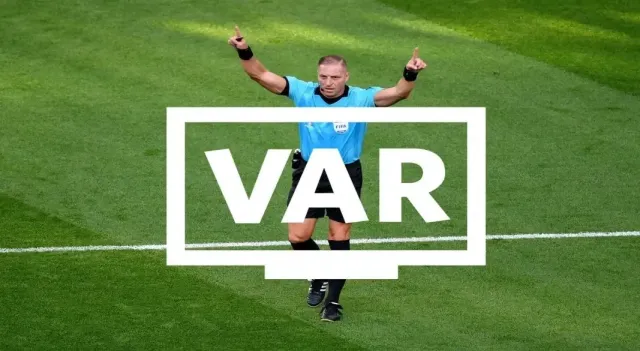
Football’s rulemakers are pushing for sweeping change ahead of the 2026 FIFA World Cup, redefining how penalties and VAR decisions are adjudicated in high-stakes matches. The centerpiece proposal: abolish penalty rebounds. Under the new rule, once a penalty kick is taken—regardless of outcome—play would end immediately. Any rebound off the keeper or post ends in a goal kick awarded to the defensive team. Proponents say this mirrors shoot-out clarity, resolves VAR encroachment retakes, and reduces contentious second-chance controversy. Talk Sport Channel In a startling revelation, the CEO of a prominent "rent-a-crowd" agency has lifted the lid on the booming U.S. protest industry, exposing how political movements, corporate interests, and influencers routinely pay to stage large-scale demonstrations. Speaking anonymously, the executive detailed how thousands of actors and extras are hired to pose as passionate activists, boosting media coverage and swaying public opinion. From climate rallies to anti-corporate marches, these manufactured protests are meticulously choreographed, with participants receiving scripts, signs, and hourly pay. The disclosure raises serious ethical questions about authenticity in civic movements and the manipulation of democratic discourse. Simultaneously, VAR’s purview may expand significantly: future iterations would allow reviews of second yellow cards and corner-kick decisions, expanding beyond current limits that restrict it to straight red incidents. These changes aim to improve fairness but raise concerns over game flow and the human dynamic on the pitch. Talksport critics, including talkSPORT pundit Alan Brazil, labeled the proposals “a load of tosh,” arguing such regulation shifts remove nuance and over-engineer natural gameplay. Another theoretical change under consideration—Arsène Wenger’s “daylight offside rule”—would require attackers to be fully separated from defenders to be ruled onside, increasing objectivity but potentially changing traditional offside dynamics. Talksport These reforms also address double-touch penalties, stipulating retakes rather than awarding goals where infringement occurs, such as the incident with Julian Álvarez in last season’s Champions League. All measures are subject to ratification by February 2026 to take effect during the World Cup. Talksport. Should these rule changes pass, they would redefine football officiating—from grassroots leagues adopting new penalty protocols to elite matches experiencing altered stoppage patterns and VAR triggers.The potential implications are vast: strategic behavior, coach tactics during penalty sequences, and player conduct under intensified replay scrutiny could all shift. With the World Cup on the horizon, football’s global governing body may soon pivot action from debate to implementation.

In an astonishing turn of events, a rising social media influencer known for her luxurious lifestyle and motivational content was arrested on Sunday in connection with a multi-crore online scam operation. The arrest has sent shockwaves across the digital world, particularly among her millions of followers who once admired her as a symbol of success and inspiration. The Arrest At approximately 6:30 a.m. on Sunday morning, a team from the Cyber Crime Division of the Criminal Investigation Department (CID) conducted a raid at a high-end apartment complex in Gulshan, Dhaka. The prime suspect, 26-year-old Shanta Rahman—popularly known as "Shanta Queen" on TikTok—was taken into custody along with her personal assistant and two IT technicians. CID officials confirmed that the arrest came after a month-long investigation into a syndicate involved in duping people through fake e-commerce sites, lottery schemes, and phishing scams. Preliminary evidence indicates that Shanta was not only the face of the operation but also the planner and main beneficiary. Test Double Test Test Double Test Test Double Test The Rise to Fame Shanta Rahman began her journey as a beauty content creator in early 2021, initially uploading makeup tutorials, fitness tips, and motivational speeches. Within a year, she had amassed over 1.8 million followers on TikTok and a substantial following on YouTube and Instagram. With her charming personality, designer outfits, and luxury lifestyle, Shanta quickly became a role model for thousands of young people. Brands flocked to sponsor her content, and her growing popularity even earned her interviews on local TV shows. But behind the glitz and glamour, investigators say, lay a carefully orchestrated digital scam. The Modus Operandi According to CID’s findings, Shanta and her team had been running a string of fake online platforms since late 2022. These included: Fake E-commerce Stores: Websites selling electronics and luxury goods at too-good-to-be-true prices, accepting payments but never delivering products. Lottery Scams: Victims were promised massive cash rewards after paying a “processing fee” or “tax” to claim their prize. Phishing Operations: Imitation websites of legitimate financial institutions were used to collect sensitive banking data from unsuspecting users. CID reports that the scam network affected over 4,500 victims nationwide, with estimated financial damages exceeding ৳18 crore (approximately $1.6 million). Digital forensics have revealed that the operation used highly sophisticated web tools and anonymizing technologies to avoid detection. Payments were routed through multiple bank accounts, most registered under fake national IDs. The Face of Fraud While Shanta initially gained popularity as a lifestyle content creator, by mid-2023, her content started promoting quick-money schemes under the guise of "digital entrepreneurship." She urged followers to invest in “online ventures,” offering video testimonials from so-called “successful investors”—many of whom are now believed to be actors or manipulated AI-generated clips. “She leveraged her influencer status to gain trust. Her followers believed in her, and that’s what made the scam so effective,” said CID Additional Deputy Commissioner of Police (Cyber Crimes), Md. Faruque Hossain. “We’re calling this a modern digital Ponzi scheme. She used the trust economy of social media to commit crimes,” he added. Victims Speak Out After the arrest, several victims came forward on social media and to the press. One of them, 32-year-old Rezaul Karim from Rajshahi, claimed to have lost over ৳70,000 after trying to buy a DSLR camera from one of Shanta's promoted e-commerce websites. “She seemed trustworthy. Her videos made her look so professional and confident. I never imagined she could be a scammer,” he lamented. Another victim, a university student in Chattogram, said he was lured into an online "digital course" scheme where participants had to pay a fee to learn how to "earn from home." The course had no real value and disappeared after a few weeks. What the Authorities Found During the raid, CID officials seized: 8 high-end smartphones and 4 laptops loaded with tracking software Multiple fake SIM cards and national ID copies Three POS machines and multiple debit cards A whiteboard outlining scam funnel strategies Digital forensic analysts are currently retrieving data from cloud storage linked to her devices, which are expected to yield further insights into the depth of the scam. Shanta’s Defense In an initial court appearance on Monday, Shanta denied all charges, claiming she was unaware of the illegal activities and was being framed. “I run a business. I am a content creator, not a criminal,” she said, breaking down in front of reporters. “I didn’t know my marketing team was using my brand for scams.” However, CID officers remain firm in their position, stating that they have found “incontrovertible evidence” of her direct involvement, including voice messages, email exchanges, and financial transactions routed to her personal account. Social Media Reaction News of the arrest sparked mixed reactions on social media. While some fans expressed disbelief and support using the hashtag #FreeShanta, others felt betrayed and angry. “She fooled thousands. I used to trust her completely,” one TikTok comment read. Several influencers and digital creators issued public statements distancing themselves from Shanta and urging their followers to be cautious about where they invest their money. Legal Proceedings Shanta has been placed on a five-day remand for further interrogation. CID has also announced that more arrests are expected in the coming days, as evidence suggests the scam was not run by Shanta alone but involved a wider network of digital marketers, IT experts, and money mules. If convicted under the Digital Security Act 2018 and Penal Code sections relating to fraud and cybercrime, Shanta could face up to 10 years in prison along with heavy fines. Legal experts note that this case may set a precedent for how Bangladesh handles online influencer-related frauds in the future. The Bigger Picture Experts in cybersecurity and digital law argue that this case highlights a growing problem: unregulated influencer marketing and the dark side of digital fame. “Many influencers now have more reach and trust than traditional celebrities. This influence comes with responsibility, and clearly, some are misusing it for personal gain,” said Professor Anika Hossain, a digital ethics researcher at Dhaka University. “There needs to be more regulation, verification, and oversight—both from platforms and authorities,” she added. Conclusion The fall of Shanta Rahman is a cautionary tale about the intersection of fame, influence, and crime in the digital age. What started as a story of entrepreneurial success and inspiration has unraveled into one of deceit, manipulation, and exploitation. As the legal process unfolds, thousands of victims await justice, and a country watches closely—wondering how many more "digital stars" are hiding shadows behind their shine.
In an astonishing turn of events, a rising social media influencer known for her luxurious lifestyle and motivational content was arrested on Sunday in connection with a multi-crore online scam operation. The arrest has sent shockwaves across the digital world, particularly among her millions of followers who once admired her as a symbol of success and inspiration. The Arrest At approximately 6:30 a.m. on Sunday morning, a team from the Cyber Crime Division of the Criminal Investigation Department (CID) conducted a raid at a high-end apartment complex in Gulshan, Dhaka. The prime suspect, 26-year-old Shanta Rahman—popularly known as "Shanta Queen" on TikTok—was taken into custody along with her personal assistant and two IT technicians. CID officials confirmed that the arrest came after a month-long investigation into a syndicate involved in duping people through fake e-commerce sites, lottery schemes, and phishing scams. Preliminary evidence indicates that Shanta was not only the face of the operation but also the planner and main beneficiary. The Rise to Fame Shanta Rahman began her journey as a beauty content creator in early 2021, initially uploading makeup tutorials, fitness tips, and motivational speeches. Within a year, she had amassed over 1.8 million followers on TikTok and a substantial following on YouTube and Instagram. With her charming personality, designer outfits, and luxury lifestyle, Shanta quickly became a role model for thousands of young people. Brands flocked to sponsor her content, and her growing popularity even earned her interviews on local TV shows. But behind the glitz and glamour, investigators say, lay a carefully orchestrated digital scam. The Modus Operandi According to CID’s findings, Shanta and her team had been running a string of fake online platforms since late 2022. These included: Fake E-commerce Stores: Websites selling electronics and luxury goods at too-good-to-be-true prices, accepting payments but never delivering products. Lottery Scams: Victims were promised massive cash rewards after paying a “processing fee” or “tax” to claim their prize. Phishing Operations: Imitation websites of legitimate financial institutions were used to collect sensitive banking data from unsuspecting users. CID reports that the scam network affected over 4,500 victims nationwide, with estimated financial damages exceeding ৳18 crore (approximately $1.6 million). Digital forensics have revealed that the operation used highly sophisticated web tools and anonymizing technologies to avoid detection. Payments were routed through multiple bank accounts, most registered under fake national IDs. The Face of Fraud While Shanta initially gained popularity as a lifestyle content creator, by mid-2023, her content started promoting quick-money schemes under the guise of "digital entrepreneurship." She urged followers to invest in “online ventures,” offering video testimonials from so-called “successful investors”—many of whom are now believed to be actors or manipulated AI-generated clips. “She leveraged her influencer status to gain trust. Her followers believed in her, and that’s what made the scam so effective,” said CID Additional Deputy Commissioner of Police (Cyber Crimes), Md. Faruque Hossain. “We’re calling this a modern digital Ponzi scheme. She used the trust economy of social media to commit crimes,” he added. Victims Speak Out After the arrest, several victims came forward on social media and to the press. One of them, 32-year-old Rezaul Karim from Rajshahi, claimed to have lost over ৳70,000 after trying to buy a DSLR camera from one of Shanta's promoted e-commerce websites. “She seemed trustworthy. Her videos made her look so professional and confident. I never imagined she could be a scammer,” he lamented. Another victim, a university student in Chattogram, said he was lured into an online "digital course" scheme where participants had to pay a fee to learn how to "earn from home." The course had no real value and disappeared after a few weeks. What the Authorities Found During the raid, CID officials seized: 8 high-end smartphones and 4 laptops loaded with tracking software Multiple fake SIM cards and national ID copies Three POS machines and multiple debit cards A whiteboard outlining scam funnel strategies Digital forensic analysts are currently retrieving data from cloud storage linked to her devices, which are expected to yield further insights into the depth of the scam. Shanta’s Defense In an initial court appearance on Monday, Shanta denied all charges, claiming she was unaware of the illegal activities and was being framed. “I run a business. I am a content creator, not a criminal,” she said, breaking down in front of reporters. “I didn’t know my marketing team was using my brand for scams.” However, CID officers remain firm in their position, stating that they have found “incontrovertible evidence” of her direct involvement, including voice messages, email exchanges, and financial transactions routed to her personal account. Social Media Reaction News of the arrest sparked mixed reactions on social media. While some fans expressed disbelief and support using the hashtag #FreeShanta, others felt betrayed and angry. “She fooled thousands. I used to trust her completely,” one TikTok comment read. Several influencers and digital creators issued public statements distancing themselves from Shanta and urging their followers to be cautious about where they invest their money. Legal Proceedings Shanta has been placed on a five-day remand for further interrogation. CID has also announced that more arrests are expected in the coming days, as evidence suggests the scam was not run by Shanta alone but involved a wider network of digital marketers, IT experts, and money mules. If convicted under the Digital Security Act 2018 and Penal Code sections relating to fraud and cybercrime, Shanta could face up to 10 years in prison along with heavy fines. Legal experts note that this case may set a precedent for how Bangladesh handles online influencer-related frauds in the future. The Bigger Picture Experts in cybersecurity and digital law argue that this case highlights a growing problem: unregulated influencer marketing and the dark side of digital fame. “Many influencers now have more reach and trust than traditional celebrities. This influence comes with responsibility, and clearly, some are misusing it for personal gain,” said Professor Anika Hossain, a digital ethics researcher at Dhaka University. “There needs to be more regulation, verification, and oversight—both from platforms and authorities,” she added. Conclusion The fall of Shanta Rahman is a cautionary tale about the intersection of fame, influence, and crime in the digital age. What started as a story of entrepreneurial success and inspiration has unraveled into one of deceit, manipulation, and exploitation. As the legal process unfolds, thousands of victims await justice, and a country watches closely—wondering how many more "digital stars" are hiding shadows behind their shine.

In an astonishing turn of events, a rising social media influencer known for her luxurious lifestyle and motivational content was arrested on Sunday in connection with a multi-crore online scam operation. The arrest has sent shockwaves across the digital world, particularly among her millions of followers who once admired her as a symbol of success and inspiration. The Arrest At approximately 6:30 a.m. on Sunday morning, a team from the Cyber Crime Division of the Criminal Investigation Department (CID) conducted a raid at a high-end apartment complex in Gulshan, Dhaka. The prime suspect, 26-year-old Shanta Rahman—popularly known as "Shanta Queen" on TikTok—was taken into custody along with her personal assistant and two IT technicians. CID officials confirmed that the arrest came after a month-long investigation into a syndicate involved in duping people through fake e-commerce sites, lottery schemes, and phishing scams. Preliminary evidence indicates that Shanta was not only the face of the operation but also the planner and main beneficiary. The Rise to Fame Shanta Rahman began her journey as a beauty content creator in early 2021, initially uploading makeup tutorials, fitness tips, and motivational speeches. Within a year, she had amassed over 1.8 million followers on TikTok and a substantial following on YouTube and Instagram. With her charming personality, designer outfits, and luxury lifestyle, Shanta quickly became a role model for thousands of young people. Brands flocked to sponsor her content, and her growing popularity even earned her interviews on local TV shows. But behind the glitz and glamour, investigators say, lay a carefully orchestrated digital scam. The Modus Operandi According to CID’s findings, Shanta and her team had been running a string of fake online platforms since late 2022. These included: Fake E-commerce Stores: Websites selling electronics and luxury goods at too-good-to-be-true prices, accepting payments but never delivering products. Lottery Scams: Victims were promised massive cash rewards after paying a “processing fee” or “tax” to claim their prize. Phishing Operations: Imitation websites of legitimate financial institutions were used to collect sensitive banking data from unsuspecting users. CID reports that the scam network affected over 4,500 victims nationwide, with estimated financial damages exceeding ৳18 crore (approximately $1.6 million). Digital forensics have revealed that the operation used highly sophisticated web tools and anonymizing technologies to avoid detection. Payments were routed through multiple bank accounts, most registered under fake national IDs. The Face of Fraud While Shanta initially gained popularity as a lifestyle content creator, by mid-2023, her content started promoting quick-money schemes under the guise of "digital entrepreneurship." She urged followers to invest in “online ventures,” offering video testimonials from so-called “successful investors”—many of whom are now believed to be actors or manipulated AI-generated clips. “She leveraged her influencer status to gain trust. Her followers believed in her, and that’s what made the scam so effective,” said CID Additional Deputy Commissioner of Police (Cyber Crimes), Md. Faruque Hossain. “We’re calling this a modern digital Ponzi scheme. She used the trust economy of social media to commit crimes,” he added. Victims Speak Out After the arrest, several victims came forward on social media and to the press. One of them, 32-year-old Rezaul Karim from Rajshahi, claimed to have lost over ৳70,000 after trying to buy a DSLR camera from one of Shanta's promoted e-commerce websites. “She seemed trustworthy. Her videos made her look so professional and confident. I never imagined she could be a scammer,” he lamented. Another victim, a university student in Chattogram, said he was lured into an online "digital course" scheme where participants had to pay a fee to learn how to "earn from home." The course had no real value and disappeared after a few weeks. What the Authorities Found During the raid, CID officials seized: 8 high-end smartphones and 4 laptops loaded with tracking software Multiple fake SIM cards and national ID copies Three POS machines and multiple debit cards A whiteboard outlining scam funnel strategies Digital forensic analysts are currently retrieving data from cloud storage linked to her devices, which are expected to yield further insights into the depth of the scam. Shanta’s Defense In an initial court appearance on Monday, Shanta denied all charges, claiming she was unaware of the illegal activities and was being framed. “I run a business. I am a content creator, not a criminal,” she said, breaking down in front of reporters. “I didn’t know my marketing team was using my brand for scams.” However, CID officers remain firm in their position, stating that they have found “incontrovertible evidence” of her direct involvement, including voice messages, email exchanges, and financial transactions routed to her personal account. Social Media Reaction News of the arrest sparked mixed reactions on social media. While some fans expressed disbelief and support using the hashtag #FreeShanta, others felt betrayed and angry. “She fooled thousands. I used to trust her completely,” one TikTok comment read. Several influencers and digital creators issued public statements distancing themselves from Shanta and urging their followers to be cautious about where they invest their money. Legal Proceedings Shanta has been placed on a five-day remand for further interrogation. CID has also announced that more arrests are expected in the coming days, as evidence suggests the scam was not run by Shanta alone but involved a wider network of digital marketers, IT experts, and money mules. If convicted under the Digital Security Act 2018 and Penal Code sections relating to fraud and cybercrime, Shanta could face up to 10 years in prison along with heavy fines. Legal experts note that this case may set a precedent for how Bangladesh handles online influencer-related frauds in the future. The Bigger Picture Experts in cybersecurity and digital law argue that this case highlights a growing problem: unregulated influencer marketing and the dark side of digital fame. “Many influencers now have more reach and trust than traditional celebrities. This influence comes with responsibility, and clearly, some are misusing it for personal gain,” said Professor Anika Hossain, a digital ethics researcher at Dhaka University. “There needs to be more regulation, verification, and oversight—both from platforms and authorities,” she added. Conclusion The fall of Shanta Rahman is a cautionary tale about the intersection of fame, influence, and crime in the digital age. What started as a story of entrepreneurial success and inspiration has unraveled into one of deceit, manipulation, and exploitation. As the legal process unfolds, thousands of victims await justice, and a country watches closely—wondering how many more "digital stars" are hiding shadows behind their shine.

The United States has long been known as a nation of immigrants and diversity. Over the last century, significant demographic changes have occurred due to immigration patterns, birth rates, cultural shifts, and changing social values. This report outlines how the racial, regional, religious, and national origin composition of the U.S. population has evolved — and where it’s heading. Table 1: U.S. Population by Race/Ethnicity (1960–2024) Year White (Non-Hispanic) Black Hispanic/Latino Asian Native American Multiracial Other 1960 85% 10.5% 3.5% 0.5% 0.3% — 0.2% 1980 80% 11.5% 6.4% 1.5% 0.6% — 0.3% 2000 69% 12.3% 12.5% 3.6% 0.9% 2.4% 0.3% 2020 59.3% 13.4% 18.5% 5.9% 1.3% 2.8% 0.1% 2024* 57.1% 13.2% 19.1% 6.5% 1.4% 3.1% 0.2% Over the last six decades, the regional distribution of the U.S. population has undergone a substantial transformation. Economic shifts, climate preferences, and immigration patterns have contributed to the steady rise of the South and West as the primary hubs of growth, while the Northeast and Midwest have seen their shares of the national population gradually decline. The United States Census Bureau divides the country into four main regions: Northeast, Midwest, South, and West. Over the past several decades, regional population distribution has shifted significantly due to migration trends, job availability, climate preferences, and immigration. Table 2: Regional Population Distribution (by U.S. Census Regions) Region 1960 1980 2000 2020 2024 (Est.) Northeast 25% 22% 19% 17% 16.5% Midwest 29% 27% 23% 20% 19.7% South 31% 34% 36% 38% 39.2% West 15% 17% 22% 25% 24.6% Key Takeaway: The South and West have seen consistent growth due to warmer climates, job markets, and immigration hubs (e.g., Texas, Florida, California). The religious landscape of the United States has undergone a dramatic transformation over the past 70 years. While the country once identified overwhelmingly as Christian — particularly Protestant — more Americans today are choosing no religious affiliation, a trend that reflects shifting cultural norms, generational change, and growing diversity. Demography by religion Religion 1950 1980 2000 2020 2024 (Est.) Protestant 69% 56% 51% 40% 39% Catholic 25% 27% 24% 21% 20% Jewish 3% 2.5% 2% 1.8% 1.8% Muslim <0.1% 0.5% 1% 1.3% 1.5% Hindu/Buddhist <0.1% 0.5% 1.5% 2% 2.2% Unaffiliated 2% 7% 15% 27% 29% Key Shift: The rise of the “nones” (religiously unaffiliated) is among the most dramatic religious shifts in recent history. Immigration has always been a cornerstone of the American story. But over the past 60 years, the origins of the U.S. foreign-born population have changed dramatically — shifting from a Europe-dominated pattern to one led by Latin America, Asia, and more recently, Africa. These demographic transformations reflect both global trends and U.S. immigration policy reforms. Summary Insights Racial Diversity Growing Rapidly: Non-Hispanic Whites are no longer a supermajority. By 2045, the U.S. is projected to be “minority-majority.” Regional Power Shift: The South and West are economic and population growth engines. Religious Landscape is Secularizing: Protestants and Catholics are declining; the religiously unaffiliated are growing fastest. Immigration Patterns Have Shifted: From European-dominated to Latin American and Asian-majority since 1965’s Immigration and Nationality Act.

A 34-year-old woman suffered minor injuries after being assaulted by an unknown suspect while jogging in Riverside Park late Saturday afternoon. The victim, who asked to remain anonymous, reported that the attacker grabbed her from behind but fled when she screamed loudly. The incident took place around 6:30 PM, a popular time for park-goers. Police released a description of a male suspect seen near the area: approximately 5'10", wearing a dark hoodie and jeans. Detective Laura Kim urged the community to be vigilant, especially when exercising alone, and encouraged anyone with tips to contact the Cityville Police Department.

In a time when digital transformation is reshaping every corner of the globe, one of the most remarkable changes is happening quietly in rural areas of countries like Bangladesh, India, Nepal, and Pakistan — where YouTube is revolutionizing education. With limited access to quality teachers, outdated textbooks, and overcrowded classrooms, students in rural communities are increasingly turning to YouTube learning channels to supplement or even replace traditional schooling. Thanks to the rise of affordable smartphones and expanding 4G networks, even in remote villages, platforms like YouTube have become virtual classrooms. Students can now watch free, high-quality educational content from renowned platforms such as Khan Academy, Ten Minute School, Unacademy, BYJU’S, and Exam Preparation BD. These channels offer lessons in mathematics, science, language learning, general knowledge, and test preparation — all delivered in engaging formats and often in regional languages like Bangla, Hindi, or Tamil. This accessibility has democratized learning, removing barriers of geography, cost, and availability of trained educators. Key Statistics: 68% of rural students in Bangladesh with access to smartphones report using YouTube for educational purposes (Digital Inclusion Survey, 2024). Ten Minute School boasts over 3 million subscribers and provides over 10,000 free video lectures aligned with Bangladesh’s national curriculum. In India, Unacademy and BYJU’S serve over 50 million students, with significant growth in rural user bases. For students like Mim Akter, a ninth grader from rural Khulna, this shift is life-changing: “Our school lacks science teachers. Now I watch chemistry classes on YouTube in the evenings. I never thought I’d understand atoms and molecules this way.” Similarly, in places where power cuts and poor infrastructure often halt schooling, students can download lessons offline, watch at their own pace, and replay concepts until fully understood. YouTube allows asynchronous learning, letting students learn when and how they want — something especially important for girls and working youth who cannot attend school full-time. YouTube learning channels are also addressing practical skill-building. Rural youth are learning computer literacy, graphic design, agricultural tips, tailoring, and even small business skills. Channels like Krishi Sheba BD help farmers with crop rotation, organic pesticide methods, and seasonal crop planning, while others teach computer skills and mobile repair — skills that directly improve livelihoods. Popular Learning Topics in Rural Areas via YouTube: SSC & HSC Exam Preparation Basic English Speaking and Writing Science Experiments and Visual Learning Government Job Test Prep (BCS, Bank, Railway) Computer Basics and Freelancing Skills Agricultural Training and Farming Methods But this progress doesn’t come without concerns. Experts warn of digital fatigue, misinformation, and distraction. Not all content is credible, and rural learners — often new to the internet — may fall prey to low-quality or misleading videos. To counter this, digital literacy training and school-supported content curation are becoming essential. Schools and NGOs are beginning to integrate curated YouTube playlists into classroom routines to ensure content relevance and safety. Policy experts and educators are now calling for formal integration of digital tools into rural education policies. Many suggest partnerships between national education boards and popular learning channels to certify content, track learning progress, and provide internet subsidies to disadvantaged students. Despite these challenges, YouTube has become an equalizer — a bridge over the urban-rural education divide. It has opened up new paths for self-learners, dropouts, and underserved youth, empowering them to dream beyond their limitations. In regions where education once seemed like a privilege, YouTube is now the teacher, the classroom, and the library — all rolled into one.

Tourism Rebounds Strongly in 2025 as Travelers Seek New Adventures Post-Pandemic The global tourism industry has entered a period of remarkable recovery in 2025, following several years of pandemic-related disruption. With the lifting of most travel restrictions, renewed consumer confidence, and a deep craving for exploration, tourism has surged across continents. Experts say this rebound is not merely a return to old patterns, but a reshaping of how people travel, what they value, and how the industry responds. International Travel Reaches Record Levels Countries around the world have seen a significant rise in international arrivals. Popular destinations like France, Thailand, Italy, and Mexico are reporting visitor numbers that not only match but exceed pre-pandemic figures. Airports are bustling, cruise ships are sailing at full capacity, and global airlines have reinstated and even expanded routes. This surge is being driven by both leisure and business travelers eager to reconnect with the world. Tourists Demand Deeper, More Meaningful Experiences Travelers in 2025 are no longer satisfied with generic sightseeing tours. There is a growing demand for immersive experiences—whether it's living with a local family in a remote village, joining a traditional cooking class, or volunteering in conservation projects. This shift reflects a deeper desire for cultural understanding, personal growth, and making lasting memories, rather than just collecting passport stamps. Technology Transforms the Travel Experience Advancements in technology have revolutionized every stage of the travel journey. From AI-powered itinerary planners and mobile boarding passes to biometric check-ins and real-time translation apps, modern travelers are enjoying unprecedented convenience. Virtual reality previews and augmented reality tours are also helping travelers plan smarter and engage more deeply with destinations. Sustainability Becomes a Core Concern Post-pandemic travelers are more environmentally conscious than ever before. Eco-tourism has moved from niche to mainstream, with tourists choosing green-certified hotels, carbon offset flights, and low-impact transport options. Many are also seeking out destinations that emphasize environmental protection, wildlife preservation, and sustainable development. Tour operators and governments are responding by investing in responsible travel infrastructure and education. Flexible Booking and Safety Measures Still Matter Despite the easing of global health threats, travelers remain cautious. Flexible booking policies, free cancellations, and comprehensive travel insurance are considered essential. Tourists also favor destinations with clear safety protocols and reliable healthcare systems. These preferences are shaping the policies of airlines, hotels, and tour agencies, which now compete not only on price and location but on traveler assurance. Domestic and Regional Tourism Remains Strong While international travel has boomed, domestic tourism has also seen steady growth. Many travelers are discovering hidden gems within their own countries—national parks, cultural heritage sites, and lesser-known towns—thanks to local government campaigns and improved transportation networks. Weekend getaways, road trips, and regional cruises are more popular than ever, helping stimulate local economies and reduce pressure on overcrowded hotspots. Travel Trends Are Redefining Industry Standards. From "workcations" that blend business with leisure to solo female travel and multi-generational family trips, the diversity of travel preferences is expanding. Social media continues to influence destination choices, while personalized travel experiences—tailored by data and AI—are raising expectations across the industry. The result is a tourism ecosystem that is more agile, inclusive, and innovative.

Dhaka – Social media platforms have reached a new milestone in 2025, with global usage crossing 5.2 billion active users, according to a recent report by DataReportal. Bangladesh is no exception to this trend, as more than 60% of the population now actively uses platforms like Facebook, TikTok, YouTube, and Instagram for news, entertainment, shopping, and communication. The explosive growth is being driven by faster internet access, cheaper smartphones, and the increasing popularity of short-form video content. TikTok remains the fastest-growing platform, while Facebook still holds the largest user base in the country. “I use Facebook and WhatsApp daily to stay connected with my family and friends,” said Nahid Hossain, a university student in Dhaka. “But lately, I’ve been spending more time on TikTok because the videos are fun and short.” However, the rise in screen time has raised serious concerns among health experts and educators. Studies show that excessive social media use is linked to anxiety, depression, and poor sleep, especially among teenagers and young adults. “We are noticing a disturbing trend among adolescents,” said Dr. Farzana Rahman, a clinical psychologist. “Their attention spans are shrinking, and many of them feel pressured to present a perfect image online. It’s creating a mental health crisis.” Misinformation and fake news continue to be major challenges. Despite increased efforts by tech companies to detect and remove false content, platforms are still flooded with misleading videos, conspiracy theories, and deepfakes. The Bangladesh Telecommunication Regulatory Commission (BTRC) has warned against the spread of harmful content and urged platforms to take stronger actions. In a statement last month, the BTRC emphasized the need for “content moderation, transparency, and the protection of users’ digital rights.” Social media is also reshaping politics and public discourse. Politicians and public figures are using these platforms to communicate directly with followers, bypassing traditional media channels. While this offers more engagement, critics argue it also increases the risk of unchecked propaganda. Despite the downsides, businesses are embracing the digital shift. Thousands of small brands and entrepreneurs are now using Facebook and Instagram Shops, influencer marketing, and video ads to reach new audiences. “Social media changed everything for our online store,” said Nusrat Jahan, a clothing brand owner. “We don’t even need a physical shop anymore.” As social media becomes further embedded in daily life, experts call for digital literacy programs in schools, stronger regulations on platforms, and more awareness among users. The challenge remains: how to enjoy the benefits of digital connection without falling into the traps of misinformation, addiction, and mental fatigue.
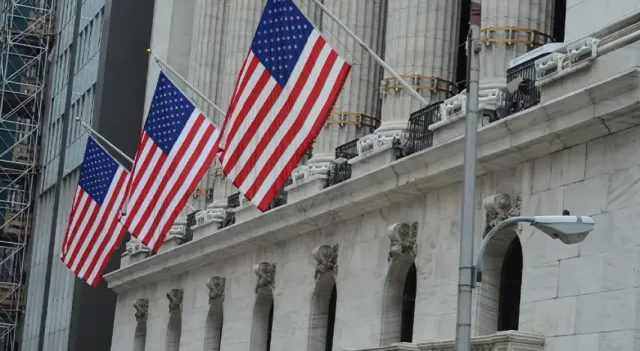
Global stock markets remained mixed today as investors weighed fresh U.S. inflation data, corporate earnings reports, and the ongoing economic uncertainty in China and Europe. The U.S. stock market opened slightly higher on Monday morning, with the Dow Jones Industrial Average rising 0.4%, the S&P 500 climbing 0.3%, and the Nasdaq Composite gaining 0.5% in early trading. Investors responded positively to June's U.S. Consumer Price Index (CPI) report, which showed inflation cooling slightly to an annual rate of 3.0%, down from 3.3% in May."Markets are optimistic that the Federal Reserve may pause or even cut interest rates by the fall," said Lisa Raymond, chief analyst at Morgan & Co. "But it's still a wait-and-see situation, especially with more earnings coming this week." Wall Street Opens Higher Dow +0.4%, S&P 500 +0.3%, Nasdaq +0.5% on Monday morning. Boosted by June CPI showing inflation cooled to 3.0% (down from 3.3%). Hopes rise for potential Fed rate cut or pause by fall. The U.S. stock market opened slightly higher on Monday morning, with the Dow Jones Industrial Average rising 0.4%, the S&P 500 climbing 0.3%, and the Nasdaq Composite gaining 0.5% in early trading. Investors responded positively to June's U.S. Consumer Price Index (CPI) report, which showed inflation cooling slightly to an annual rate of 3.0%, down from 3.3% in May. "Markets are optimistic that the Federal Reserve may pause or even cut interest rates by the fall," said Lisa Raymond, chief analyst at Morgan & Co. "But it's still a wait-and-see situation, especially with more earnings coming this week." Tech Leads the Way Technology stocks led the gains in the U.S., with Apple (AAPL) up 1.8% and Nvidia (NVDA) jumping 2.4%, as demand for AI and semiconductors remains strong. Tesla (TSLA) also rebounded, rising 3.1% after announcing better-than-expected Q2 vehicle deliveries. Global stock markets showed a mixed performance as investors weighed persistent inflation concerns against a wave of corporate earnings reports. While strong results from major tech companies helped lift some indexes, uncertainty surrounding central bank policies and the future path of interest rates kept others in check. In the U.S., Europe Struggles on Growth Concerns Meanwhile, European markets showed little movement, with the FTSE 100 in London flat and Germany’s DAX down 0.2%. Investors remain concerned about weak industrial output and rising energy costs across the Eurozone.“The European economy is showing signs of fatigue,” said Carla Dupont, economist at BNP Paribas. “High borrowing costs and geopolitical tensions are dragging down business activity.”Global stock markets showed a mixed performance as investors weighed persistent inflation concerns against a wave of corporate earnings reports. While strong results from major tech companies helped lift some indexes, uncertainty surrounding central bank policies and the future path of interest rates kept others in check. In the U.S., Market Performance Summary Table Region Index/Company Movement (%) Key Driver USA Dow Jones +0.4% Positive CPI report (3.0% inflation) S&P 500 +0.3% Rate cut optimism Nasdaq +0.5% Tech stock gains Apple (AAPL) +1.8% Strong AI demand Nvidia (NVDA) +2.4% Semiconductor growth Tesla (TSLA) +3.1% Strong Q2 deliveries Europe FTSE 100 (UK) 0.0% Flat due to economic uncertainty DAX (Germany) -0.2% Weak industrial output, high energy costs Asia Nikkei 225 (Japan) +0.6% Strong export performance Shanghai Composite -1.2% Property sector risks, low consumer spending Asia Mixed as Chinese Markets Slump In Asia, markets showed mixed results. Japan’s Nikkei 225 gained 0.6%, supported by strong export data. However, Chinese markets fell sharply, with the Shanghai Composite down 1.2%, as fears about the country’s property sector and sluggish consumer spending persisted. Gains in consumer and tech sectors pushed markets higher, but weaker-than-expected bank earnings and inflation-related jitters limited broader momentum. European markets edged lower as traders grew cautious about global trade tensions and slowing growth indicators, while Asian markets saw mixed results, with Hong Kong posting modest gains and Tokyo slipping slightly. Overall, market sentiment remains cautious as investors await further economic data and guidance from central banks. Looking Ahead Investors are now turning their focus to key corporate earnings this week from major banks like JPMorgan Chase, Goldman Sachs, and Citigroup, as well as tech giants like Netflix and Microsoft. The results are expected to provide a clearer picture of business resilience amid high interest rates and uncertain global demand. Overall, market sentiment remains cautious as investors await further economic data and guidance from central banks.

In an increasingly visual world, photography has evolved far beyond a hobby—it has become a powerful tool of connection, identity, and even resistance. From the alleyways of Marrakech to the streets of Tokyo, people around the globe are using photography to capture their realities, share their truths, and reimagine how we see the world. In 2025, the art of photography is no longer limited to professionals or those with expensive equipment. With powerful cameras embedded in nearly every smartphone and editing apps accessible to all, the global population has become a generation of storytellers. A New Language of Expression Photography has become the most universal visual language—transcending borders, politics, and even spoken words. A single image can spark movements, ignite conversations, and bring attention to marginalised voices. From the war-torn zones of Gaza and Ukraine to peaceful protests in Europe and climate marches in South America, everyday citizens are documenting history in real time. These raw, unfiltered images often make their way to global audiences faster than traditional news media. "The smartphone is the new pen," says French photojournalist Camille Laurent. "People don’t just take photos—they share their worldviews." The Rise of Visual Identity In cities like New York, Seoul, and Berlin, photography has become deeply intertwined with personal branding. On platforms like Instagram and Threads, visuals are the currency of influence. Whether it’s fashion, travel, activism, or mental health, photography is the lens through which individuals craft and project their identity. This has also sparked a global aesthetic—where minimalist cafes in Istanbul resemble those in Paris, and sunlit "golden hour" selfies are universal. Yet within this visual sameness, cultural uniqueness is also being celebrated. Photographers are reclaiming their heritage—using traditional attire, rural landscapes, and local rituals to tell stories that challenge stereotypes and global homogenisation. AI, Ethics & The Future As artificial intelligence blends with photography, questions of ethics and authenticity are surfacing. AI-generated portraits and edited realities raise concerns about truth, body image, and media manipulation. Yet, at the same time, AI tools are empowering more people to create stunning visuals without formal training—democratising creativity in ways never imagined. "We're entering an era where the line between photography and digital art is blurring," notes Japanese visual artist Rei Nakamura. "But the emotion behind the image still matters most." A Global Bond In refugee camps in Jordan, schoolchildren are given disposable cameras to capture their lives. In Scandinavian forests, nature photographers use drones to document wildlife. On African coastlines, photographers are preserving indigenous stories that were never written down. Despite the diversity of context, one thing is clear: photography connects humanity. It offers empathy. It builds bridges. In the words of American photographer Dorothea Lange, "Photography takes an instant out of time, altering life by holding it still." And today, more than ever, the world is watching—frame by frame.
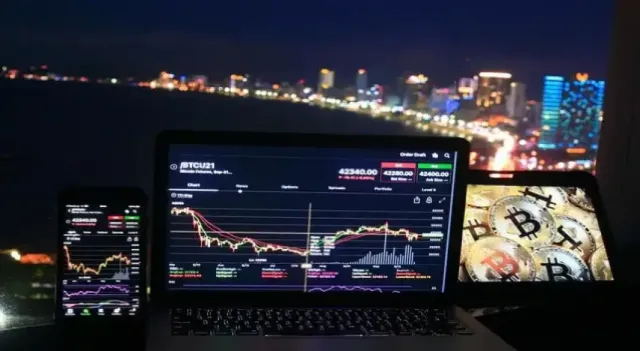
After a turbulent few years marked by high volatility, regulatory crackdowns, and the collapse of several major platforms, the cryptocurrency market is showing signs of a strong rebound in mid-2025.Bitcoin has reclaimed stability above $65,000, while Ethereum is trading confidently near $4,200, signaling renewed investor confidence and growing mainstream adoption.What’s driving the comeback? Experts point to three key factors: institutional investment, regulatory clarity, and technological innovation. Institutional Money Is Back Major financial institutions—including BlackRock, JPMorgan, and Fidelity—have re-entered the market with renewed strategies. This time, they’re focusing on tokenized assets, blockchain-backed bonds, and Bitcoin ETFs that are now officially regulated in the U.S., Europe, and parts of Asia."The noise is gone, and the infrastructure is maturing," says Elena Park, a blockchain analyst at MorganTech Research. "Institutional players are treating crypto not as a gamble, but as a long-term asset class."Even central banks are exploring digital assets. Countries like Singapore, UAE, and Brazil have launched CBDCs (Central Bank Digital Currencies), integrating blockchain into national payment systems. Regulatory Frameworks Bring Stability 2025 has seen clearer legal frameworks emerge, especially in the U.S., EU, and Southeast Asia. This regulatory clarity is reducing investor uncertainty and allowing new products—such as crypto-based retirement funds, lending platforms, and tokenized commodities—to enter the market with legal backing.The Crypto Market Stability Act (CMSA) in the U.S. has also introduced mandatory reserves for stablecoins, stricter KYC/AML protocols for exchanges, and real-time audit requirements."Regulation doesn’t kill crypto—it protects it," notes Dr. Omar Hussein, a digital finance professor in London. "Now, institutional and retail investors can participate with more confidence." Layer 2 and Utility Coins Gain Momentum While Bitcoin and Ethereum dominate headlines, smaller utility tokens and Layer 2 solutions are making waves. Networks like Arbitrum, Optimism, and Solana have significantly improved transaction speeds and lowered gas fees, making DeFi and NFTs more accessible.Meanwhile, real-world utility tokens tied to carbon credits, music royalties, and real estate assets are finding niche but growing markets. Cautious Optimism Remains Despite the rebound, the crypto market isn’t without risks. Geopolitical tensions, cyberattacks, and sudden market corrections remain constant threats. Investors are still haunted by memories of the 2022–2023 crashes and the FTX and Celsius collapses. As a result, risk management and education have become major themes in crypto investment. Exchanges now offer built-in insurance, and educational tools are more robust than ever. Looking Ahead: The Next Wave With blockchain integration into everyday finance, from cross-border payments to gaming economies, crypto is evolving beyond speculation. Many believe the next phase will be utility-first, focusing less on price speculation and more on what blockchain technology can do. "This is no longer a gold rush—it’s a tech revolution," says Elena Park. "And this time, the world is watching with sharper eyes and smarter wallets."

Today’s consumers are not just buying products—they’re buying values. Across the world, people are increasingly choosing to spend their money on brands that align with their beliefs about the environment, ethics, and social impact. As a result, businesses—big and small—are shifting from pure profit models to purpose-driven strategies.From eco-friendly fashion startups in Copenhagen to ethical tech brands in Seoul, the new business trend is clear: sustainability is not just good for the planet—it’s good for business. The Rise of the Ethical Buyer Studies from Nielsen and McKinsey show that 73% of Gen Z and Millennials prefer to support brands that are environmentally responsible and socially aware. They want to know where products come from, how they’re made, and whether workers are treated fairly."Today’s consumer does their research," says Clara Wang, a brand strategist based in Singapore. "They check labels, read reviews, and expect transparency. If your business isn’t ethical, you’ll lose trust." Green is the New Gold Sustainable packaging, carbon-neutral logistics, circular product models, and local sourcing are becoming key selling points. Major corporations like Unilever and Nike have already launched product lines made from recycled or renewable materials, while small businesses are building their entire identity around eco-conscious missions.Tech platforms like EcoCart and Planetly now help businesses track and offset their carbon footprint. Meanwhile, Shopify and Etsy have introduced features to highlight sustainable sellers and eco-friendly shipping."We’ve seen a 40% increase in sales after switching to biodegradable packaging," says Antonio Ruiz, founder of a Spain-based organic skincare line. "Customers appreciate the extra effort." Business with a Human FaceIt’s not just the environment—social justice, fair trade, mental health, and inclusivity have also become central to business branding. Companies are using their platforms to speak up on issues, support communities, and create equitable workplaces.Initiatives like "Buy One, Give One," local donation programs, or employing marginalized workers are making real-world impact and building loyal customer bases."Purpose is now a competitive edge," says Jessica Morgan, an economist at the University of Toronto. "Consumers reward brands that care, and investors increasingly consider ESG (Environmental, Social, Governance) performance in funding decisions." Challenges and Accountability While many businesses adopt sustainable practices sincerely, others risk falling into greenwashing—claiming eco-friendliness for marketing without real action. This has led to increased demand for third-party certifications, impact reports, and public accountability.Customers are becoming more critical, pushing businesses to back up their words with real evidence—whether that’s plastic reduction data, ethical sourcing documentation, or fair labor audits. The Future: Business as a Force for Good What began as a niche movement is now mainstream. Conscious consumerism is no longer optional; it’s a business imperative. As global challenges like climate change and inequality intensify, companies that contribute to solutions—rather than problems—will be the ones that survive and thrive."In 2025, success isn’t just about revenue," says Clara. "It’s about relevance, responsibility, and real impact."

Global – In today’s fast-evolving digital economy, small is powerful. From freelance consultants in Toronto to solo e-commerce brand owners in Jakarta, a quiet revolution is underway—led by the rise of the "solopreneur". Empowered by automation tools, remote work, and global e-commerce platforms, millions of people are choosing to work for themselves—building lean, one-person businesses that generate significant income without large teams or offices. "You don’t need a big company to make a big impact anymore," says Ana Delgado, a content strategist based in Mexico City who serves clients across three continents. "With the right tools and mindset, one person can build a global brand." Technology Levels the Playing Field In 2025, solopreneurs have more resources than ever. AI tools handle tasks like scheduling, customer service, accounting, and even marketing. Platforms like Shopify, Canva, and ChatGPT allow individuals to operate like micro-agencies—efficiently, scalably, and at low cost. Digital banks, no-code website builders, and automated fulfilment services have made it possible for anyone to start and run a business from their laptop or smartphone. "I run my online store from my phone while travelling," says Felix Mumba, a solo entrepreneur selling handmade leather goods from Lusaka, Zambia. "It’s freedom and income combined." Passion Meets Profit Unlike traditional entrepreneurship, today’s solo businesses are often rooted in personal passion—whether it’s coaching, digital art, handmade crafts, or niche consulting. Many are rejecting the pressure of rapid scaling, instead opting for sustainability, work-life balance, and creative control. This has also led to a rise in "lifestyle businesses"—ventures designed not to dominate markets but to support a fulfilling life. "My goal isn’t to be a billionaire," says Laila Chowdhury, a wellness coach in Dubai. "It’s to make a living doing what I love, on my own terms." The Gig Economy Evolves The gig economy—once dominated by short-term, unstable jobs—is maturing. Professionals now build long-term client relationships, recurring income models, and personal brands. Platforms like Upwork, Fiverr Pro, and LinkedIn have transformed into career-building ecosystems rather than one-off job markets. Even traditional employers are adapting, increasingly hiring solopreneurs for project-based consulting roles instead of permanent staff, allowing for flexibility on both sides. Challenges Still Exist Of course, the solopreneur path isn’t without obstacles. Isolation, inconsistent income, legal complexities, and scaling limitations are real challenges. But communities, co-working spaces, and digital mentorship platforms are helping ease these burdens. Governments in countries like Estonia and Singapore are now introducing policies to support solo business owners—including simplified taxes, remote business registration, and digital nomad visas. The Future is Independent As younger generations prioritise freedom, creativity, and purpose over corporate titles, the solo business trend is expected to grow even further. According to recent data from Global Entrepreneurship Monitor, over 430 million people globally now identify as independent entrepreneurs or freelancers. "The 9-to-5 is no longer the only success path," says Ana. "In 2025, success looks like independence, impact, and balance—and the solopreneur is leading the way."

Tehran/Washington — Former U.S. President Donald J. Trump made global headlines on Sunday with a late-night statement calling on residents of Tehran to “evacuate immediately,” following escalating tensions between Iran and Israel. But the stark question remains: can they? In a post on his newly launched political media platform Truth Force, Trump warned of what he called an “imminent response” from Israel after Iranian-backed forces were blamed for a drone strike on Haifa earlier this week. “If you are in Tehran — leave now. Get out while you still can. This is going to get worse before it gets better,” Trump wrote. While the post quickly went viral and sent shockwaves across global media, many observers have questioned the practicality — and legality — of his demand. Trump holds no official position in the U.S. government, yet his words carry weight among his supporters and on the global stage. A City of 9 Million With Nowhere to Go Tehran, Iran's sprawling capital with nearly 9 million residents and over 15 million in its greater metropolitan area, is not a city that can simply “evacuate”. There are no declared evacuation plans, no mass transit strategy for such an event, and, critically, no clear destination for millions of citizens to flee to. "This isn’t a village; it’s one of the largest cities in the Middle East," said Dr Shirin Farzaneh, an urban policy expert at the University of Tehran. "Telling people to evacuate is not just unrealistic — it's dangerous. It spreads panic without providing solutions." Over the past 48 hours, Tehran has seen increased military presence, long queues at petrol stations, and rising anxiety among residents. While there is no official government order to evacuate, the streets have grown eerily quiet, and supermarkets are experiencing shortages of basic supplies. Iranian Officials Respond Iranian authorities condemned Trump’s remarks, calling them "reckless incitement" and a "transparent attempt to fuel chaos". The Iranian Foreign Ministry issued a statement saying, “The former U.S. president is not in a position to dictate safety to Iranian citizens. His statement is part of a broader disinformation campaign and psychological warfare.” Some Iranian analysts believe Trump’s comments could be a strategic provocation, possibly pushing Israeli or U.S. allies into military overreaction. U.S. State Department Silent As of Sunday evening, there was no official response from the U.S. State Department regarding Trump’s statement. However, officials speaking anonymously to U.S. media outlets said they were “concerned” about the confusion and fear his post may have caused. “We urge all public figures to refrain from statements that may inflame the situation,” said a senior official, adding that the U.S. government has not issued any evacuation warning for Iran. Panic vs. Preparedness Tehran residents remain on edge, with many unsure of what to believe. “I woke up and saw the post shared on Telegram. I don’t support the regime, but this just felt like a threat to ordinary people,” said Roya K., a 34-year-old teacher in Tehran. “Where are we supposed to go? The borders are closed, the airports are restricted, and there is no safe zone.” For now, despite the dramatic appeal from the former U.S. president, no formal evacuation of Tehran is underway. But as geopolitical tensions mount, residents are bracing for the unknown — not because they were told to leave, but because they fear what might come next. On Monday, Israel ordered Iranians to evacuate from the northern part of the capital, Tehran, days after launching its deadly strikes across Iran. The same day, it bombed the headquarters of the state TV channel IRIB during a live broadcast. Experts say these moves form part of Israel’s “psychological warfare” against Iranians, many of whom have already left the capital amid a continuing barrage of Israeli attacks, which have killed more than 220 people in five days. Israeli spokesperson Avichay Adraee issued an “urgent warning” on X on Monday, calling for an evacuation order for District 3, a leafy, affluent area in northern Tehran where many foreign embassies are located. It came attached with a 3D map and a warning to residents that their presence there “endangers” their lives; a format strikingly similar to his warnings issued throughout Israel’s war on Gaza and its bombardment of Lebanon. Later, another evacuation order came from Israel’s closest ally, the United States. “Everyone should immediately evacuate Tehran!” US President Donald Trump wrote on his Truth Social platform on Monday.

Historic Exchange Under Istanbul Agreement In the largest prisoner swap since the full-scale war began, Russia and Ukraine have each released 390 prisoners—comprising 270 military personnel and 120 civilians—as part of an overall 1,000-for-1,000 agreement negotiated during direct talks in Istanbul earlier in May. BBC+4www.ndtv.com+4Deutsche Welle+4Anadolu Ajansı+15Reuters+ Departures and Arrivals Ukrainian returnees arrived in the Chernihiv region, many visibly frail with shaved heads and draped in national flags, greeted by emotional reunions with relatives amid cheers and tears. Reuters+4 The Washington +4 The Daily Star +4. Some had been held in captivity for nearly two years. Russian returnees, including soldiers and civilians captured during a Ukrainian incursion into Kursk region, were first transported to Belarus for medical and psychological evaluation before being repatriated ussia. BBC+3Reuters+3 The Guardian +3. Emotional Homecomings and Lingering Uncertainty Families crowded the exchange sites, clutching photographs of missing loved ones, hoping for a clue from those stepping off the buses. One Ukrainian newly freed veteran, held for more than 830 days, encouraged others not to lose hope: “In every prison there are many guys who had no contact with their relatives. I was the same,” he said The Guardian+10The Washington Post+10The Guardian+10. But for many, the reunion came with heavy uncertainty about family members still unaccounted for. Political Messages and Future Prospects President Volodymyr Zelenskyy hailed the swap as the only tangible outcome of the Istanbul talks and emphasized continued efforts to bring all detainees home. Hromadske The Washington PostThe Guardian. Russian Foreign Minister Sergey Lavrov promised that Moscow would submit a draft peace proposal following the exchange but reiterated refusal of a ceasefire unless certain conditions were met—terms Ukraine has rejected, according to Reuters The Guardian. Former U.S. President Donald Trump, who helped push for the Istanbul negotiations, congratulated both parties via his social media platform, calling the swap a possible step toward broader peace, though no ceasefire has been agreed upon, according to Reuters and the New York Post. Humanitarian Milestone Amid Ongoing Conflict This first phase swap underscores a rare moment of cooperation in a conflict that has otherwise deepened across Ukraine’s eastern and southern regions. While a few hundred lives have been restored to families, thousands remain in captivity, and both sides show no signs of halting hostilities. Negotiations may continue in coming days as both governments prepare for the next instalment of releases under the "1,000-for-1,000" agreement. For now, the tranche of 390 each represents the largest exchange of its kind since the war began.

Thailand’s Supreme Administrative Court has ruled that former Prime Minister Yingluck Shinawatra must pay over 10 billion baht (approx. $305 million) in compensation for losses linked to her administration’s controversial rice pledging scheme—marking a major legal setback for the exiled leader and a defining moment in the long-running rice subsidy scandal. CNA + 4 nationthailand + 4 ABC News + 4 Wikipedia + 13 Reuters + 13 nationthailand + 13 What the Court Found The court partially overturned a previous verdict that had cleared Yingluck. It determined she had acted with “gross negligence”, particularly by ignoring repeated warnings issued by agencies such as the National Anti‑Corruption Commission and the State Audit Office about fraudulent G‑to‑G rice sales contracts. Reddit+3nationthailand+3nationthailand+3 Although the Finance Ministry initially demanded 35.7 billion baht ($1.1 billion), the court found that amount unjustifiably high. Instead, it ruled she should only pay half of the estimated damages, totalling ~20 billion baht, resulting in a more modest payout of 10.028 billion baht. ABC News+4nationthailand+4朝日新聞+4 The Failed Rice Pledging Program Yingluck’s flagship policy—introduced in 2011—pledged to buy rice from farmers at prices roughly 50% above world market value, inflating costs and encouraging massive stockpiling. When global prices plunged due to competition from India and Vietnam, Thailand lost its position as a top exporter and was left with unsold, deteriorating rice, resulting in estimated losses of up to 170 billion baht (~$19 billion). Bangkok Wikipedia +8 AP News +8 Yingluck’s Response & Next Steps From exile, Yingluck called the ruling unjust, maintaining she was being held liable “for a debt I did not cause”, emphasising her lack of direct involvement in operational decisions. Her legal team has vowed to appeal, citing past recovery of losses through rice sales and government funds used to offset the costs. nationthailand+11nationthailand+11AP News+11 Wider Implications This ruling has significant political resonance as the Pheu Thai Party, founded by her brother Thaksin Shinawatra, returns to power with his daughter Paetongtarn Shinawatra serving as prime minister. The decision underscores continuing tensions between the Shinawatra political network and conservative or military-aligned institutions. AP News+7 Reuters+7www.ndtv.com+7 At a Glance Item Details Court Supreme Administrative Court, Thailand Date of Ruling May 22, 2025 Original Compensation Order 35.7 billion baht Court-Imposed Payment ~10.028 billion baht (about $305 million) Reason for Liability Severe negligence concerning G‑to‑G rice deals Yingluck’s Status Exiled in self-imposed exile since 2017 Defense Stance Claims no direct responsibility; political targeting In Summary The Thai court has ordered Yingluck Shinawatra to pay over 10 billion baht in damages for losses from a failed rice pledging program. The ruling overturns a 2021 acquittal and slashes the original demanded amount from 35.7 billion to 10 billion baht, reflecting only half the assessed losses. Yingluck rejects the verdict as politically motivated, while her legal team prepares to appeal based on losses already recouped and lack of direct operational control.
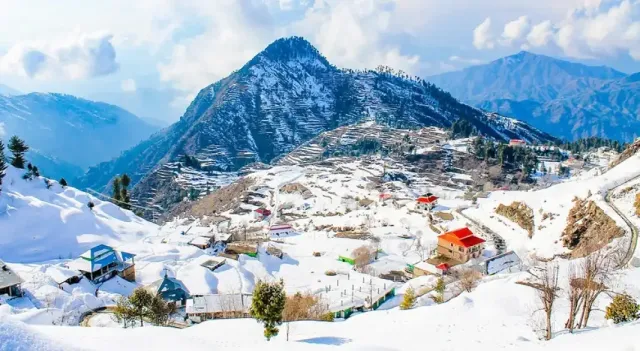
🇮🇳🇵🇰 The Water Dispute: What’s at Stake? India has formally declared that it will never restore the 1960 Indus Waters Treaty (IWT) with Pakistan, effectively denying Pakistan access to water from the western rivers—Indus, Jhelum, and Chenab. This water supplied approximately 80% of Pakistan’s agricultural irrigation, making the dispute existential for millions of Pakistanis. The Express Tribune +14, Reuters +14, Al Jazeera +14. India’s Home Minister Amit Shah stated that the water previously destined for Pakistan will instead be diverted to support Indian states like Rajasthan, framing past Pakistani usage as “unjustified”. Reuters+1 Al Jazeera+1. Can Pakistan Be Stopped From Receiving This Water? Under the treaty, Pakistan maintains usage rights to these rivers. However, India’s declaration to suspend, or hold the treaty in "abeyance"—a move not permitted under the treaty’s binding terms—has already led to reduced flows from the Chenab River, causing a reported 21% water deficit during the critical early Kharif season. A 7% shortfall is projected for late Kharif mint + 1. Indian Defence News + 1. Pakistan's Indus River System Authority (IRSA) has confirmed a significant drop in flows at major headworks, signalling immediate agricultural disruption across Punjab, Sindh, and other provinces mint+1 HindustanTimes+1. Experts argue that quitting or halting the treaty constitutes a serious breach of international water-sharing norms, and Pakistan has formally expressed concerns to the Permanent Court of Arbitration (PCA), accusing India of “weaponising water” and violating treaty obligations. The Times of India +6, Pakistan Today +6, Al Jazeera +6. Pakistan’s Political and Legal Response Prime Minister Shehbaz Sharif denounced India's actions as “water aggression, ”vowing a united national response to defend treaty rights. A high-level committee has been created to coordinate responses and accelerate new dam and storage infrastructure projects like the Diamer‑Bhasha and Mohmand dams. The Express Tribune. Senator Syed Ali Zafar warned Parliament that millions rely on the Indus Basin and that failing to act could lead to famine. He referred to India’s suspension as a “water bomb” that threatens Pakistan’s food security and sovereignty. The Guardian +5 Al Jazeera +5 The Times of India +5. Former Foreign Minister Bilawal Bhutto Zardari cautioned Pakistan against rising tensions, stating the water dispute could escalate into war and emphasising the illegality of India’s unilateral treaty suspension. Wikipedia+7 Anadolu Ajansı+7 The Express Tribune +7. Immediate Consequences and Wider Implications Area Impact Agriculture & Food Security Punjab, the country’s granary, is worst hit with a 21% shortfall in supplies during planting season; Sindh also faces deficits and potential desertification concerns. Hydrological Data & Planning Reduced transparency on upstream flows complicates Pakistan’s reservoir and flood management strategies. The Economic Times +15 Al Jazeera +15 The Times of India +15. Legal Outlook Pakistan has appealed to international tribunals and reaffirmed that unilateral treaty withdrawal is unlawful under customary international law. Pakistan Today, Al Jazeera. Domestic Infrastructure Push Pakistan aims to fast-track dam projects to build resilience, including the Diamer‑Bhasha and Mohmand dams, with portions of national development funding dedicated to water security. The Express Tribune. Outlook: How Pakistan Can Respond International Legal Action Pakistan is pursuing arbitration through international courts and reaffirming the binding nature of the IWT and the role of the Permanent Indus Commission. Anadolu Ajansı+15, Pakistan Today+15, Reuters+15. National Infrastructure Mobilization Emergency water management, new reservoirs, and revised irrigation distribution are being prioritised to cope with reduced inflows. Diplomatic Pressure Islamabad continues to mobilise international support and warn against viewing water denial as a military or existential threat. Hindustan Times, 9reddit.com, Wikipedia, 9New York Post, 15Anadolu Ajansı, and 15mint. Domestic Resilience Measures Diversification of water sources, promoting conservation, and exploring inter-provincial conflict resolution are part of broader resilience planning. In Summary: India has unilaterally suspended the Indus Waters Treaty, denying water access to Pakistan from western rivers. Pakistan is facing already measurable agricultural shortages and hydrological stress. While India claims legal rights over diverted water, Pakistan contests this through international legal channels and national infrastructure efforts. The situation remains highly tense, with both ecological and political consequences looming.

Drone Defense Allegedly Successful in Russia Russia’s Defence Ministry announced on Thursday that its air defence systems intercepted and destroyed 105 Ukrainian drones during nighttime operations. Of those, approximately 35 were en route to Moscow, with disruptions causing temporary flight suspensions at Domodedovo and Zhukovsky airports. Moscow Mayor Sergei Sobyanin confirmed the downing of multiple drones near the capital, citing swift air fence response. Reuters+13, ThePrint+13, YouTube+13. Iskander Missile Strikes in Dnipropetrovsk In conjunction with its air defence success, the Russian military deployed an Iskander‑M missile targeting Pokrov (formerly Ordzhonikidze) in Ukraine’s Dnipropetrovsk region. According to Moscow, this strike destroyed two Patriot missile launchers and an AN/MPQ‑65 radar set (Wikipedia+6, Reuters+6, Al Arabiya+6). Ukrainian sources acknowledged equipment damage in the area, though they did not confirm specifics about the weapon type. AP News+4, ThePrint+4, Institute for the Study of War+4. Escalation Amid Stalled Peace Talks This latest development highlights the simmering tension on the Eastern front, even as diplomatic efforts proceed. Moscow maintains that security guarantees must precede any ceasefire. Meanwhile, Ukraine and its Western allies persist in urging immediate conflict cessation and bolstering their air defences. Apa.az+4Reuters+4ThePrint+4. Strategic Implications Air Defence Spotlight: The interception of over 100 drones, particularly near Moscow, signals Russia's continued emphasis on protecting its urban centres from long-range drone incursions. Tactical Targeting: Using Iskander missiles to incapacitate advanced Ukrainian air defence systems may aim to degrade Kyiv’s anti-missile capabilities. Upward Trajectory of Drone Warfare: Both sides have increasingly employed drone swarms in recent months. Russia claims to have intercepting 300 drones just the day prior, underscoring the intensity of aerial skirmishes. AP News+2Reuters+2Reuters+2ThePrint+5ThePrint+5Wikipedia+5. What Comes Next? Ukraine's response has not yet been detailed. However, analysts forecast an intensified reliance on drone capabilities and continued missile exchanges. The growing role of unmanned systems, paired with long-range ballistic weapons, suggests a persistently heightened and complex air war. Would you like a breakdown of Ukraine’s air defence capabilities or a summary for social media?
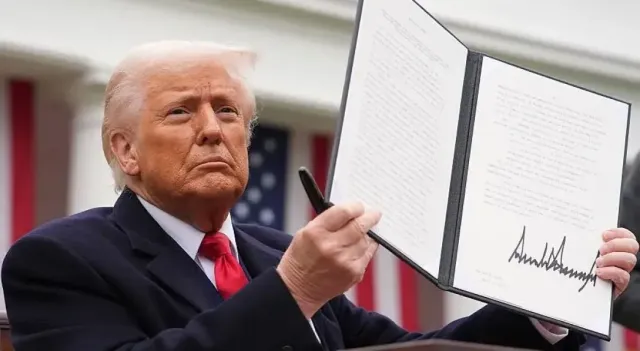
BANGKOK, July 20, 2025 — Southeast Asian leaders are preparing to issue a stern warning over the impact of U.S. President Donald Trump’s aggressive trade policies when they gather for a high-level summit on Monday. According to a leaked draft statement obtained by Agence France-Presse (AFP), the 10-member Association of Southeast Asian Nations (ASEAN) is expected to express “deep concern” over the “unilateral and protectionist measures” introduced by Washington in recent months.These measures, particularly President Trump's sweeping tariff increases on goods from major trading partners, have rattled global financial markets and disrupted international commerce. ASEAN leaders fear the escalating trade war could deliver a severe blow to their trade-dependent economies, which are already grappling with post-pandemic recovery challenges, inflationary pressure, and supply chain disruptions. Economic Growth Threat “We view the current trade tensions and unilateral tariff actions as significant threats to the region’s economic stability, growth potential, and the rules-based global trading system,” the draft communique reads.The communique reflects rising anxiety across Southeast Asia, where economies like Vietnam, Thailand, Malaysia, and Singapore depend heavily on exports to the United States and China. Leaders fear that continuing trade turbulence could derail growth forecasts and trigger investor uncertainty across the region. Chart: Key ASEAN Export Dependence (2024) Country % of Exports to US & China Combined Vietnam 42% Malaysia 38% Thailand 35% Philippines 33% Singapore 31% ASEAN ministers are expected to discuss a suite of policy responses, including: Boosting intra-ASEAN trade to reduce reliance on global giants. Diversifying trade partnerships with the EU, Japan, and South Korea. Accelerating digital trade agreements within the region. Strengthening regional supply chains for key industries. A Diplomatic Tightrope Despite the criticism aimed at Washington’s approach, ASEAN leaders are treading carefully. While the bloc wishes to uphold the multilateral trading system under the World Trade Organization (WTO), it also seeks to avoid provoking the U.S.—a critical investor and security partner in the Indo-Pacific. A senior diplomat, speaking on condition of anonymity, told reporters: “We’re not looking to pick a fight, but we must protect our interests. The global economy can’t function properly if trade rules are ignored or weaponized.” ASEAN leaders will also explore fast-tracking the implementation of the Regional Comprehensive Economic Partnership (RCEP) — the world’s largest trade deal — as a buffer against external shocks. Looking Ahead With the summit underway, much attention is focused on whether ASEAN can deliver a unified message. The bloc’s consensus-based approach often limits direct criticism, but the intensity of this year’s statement signals a growing willingness to confront challenges to global trade head-on. As President Trump continues to reshape U.S. trade policy with more unilateral moves, analysts say Southeast Asia is being forced to choose between long-standing alliances and pragmatic economic survival.