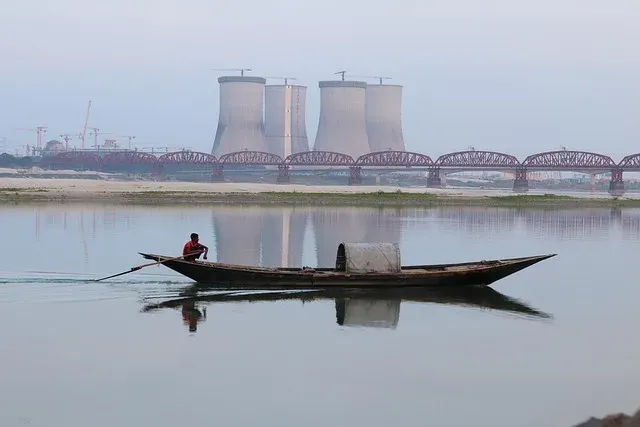
Hospitals across Asia, Europe, and parts of North America are reporting a sharp rise in heat-related illnesses as global temperatures reach record highs this July. Health authorities are issuing urgent heatwave warnings and advising people, especially the elderly and children, to take precautions as climate change fuels more extreme weather events. According to the World Meteorological Organization (WMO), over 60 countries have recorded temperatures above 42°C (107.6°F) in the last two weeks — the highest since 2019. Cities like Delhi, Dhaka, Cairo, and Phoenix are seeing emergency rooms fill up with patients suffering from heatstroke, dehydration, and cardiovascular strain. Vulnerable Populations at Risk The elderly, people with chronic diseases, outdoor workers, and those without access to cooling are especially vulnerable.“We are seeing a rise in severe dehydration, kidney problems, and even deaths due to prolonged heat exposure,” said Dr. Tahmina Rahman, Head of Emergency Medicine at Dhaka Shishu Hospital. In Bangladesh, at least 32 people have died due to heat-related complications in the last month alone, and over 1,500 patients have been treated for heat exhaustion across government hospitals. Governments Respond With Emergency Measures Countries are issuing heatwave alerts, distributing drinking water, and opening "cooling shelters" in public spaces. Bangladesh’s Ministry of Health has launched a hotline for emergency support and is advising schools to adjust class hours or shift to remote learning during extreme heat. “We are urging citizens to stay indoors during peak hours, wear light clothing, and stay hydrated,” said Dr. Abu Nasir, spokesperson for the DGHS. Experts say the current crisis is a warning of what’s to come if global warming is not addressed more aggressively. “Climate change isn’t just an environmental issue anymore — it’s a public health emergency,” warned Dr. Lin Zhang, a climate-health researcher at the University of Toronto. The UN Intergovernmental Panel on Climate Change (IPCC) predicts that by 2030, heatwaves could claim over 250,000 lives annually if current trends continue. What You Can Do: Avoid going out between 12 PM and 4 PM Drink 2.5–3 liters of water daily Use fans, cool cloths, or wet towels Never leave children or pets in parked vehicles Check on elderly neighbors or those living alone If you experience signs of heatstroke (dizziness, dry skin, rapid heartbeat), seek medical attention immediately.

The World Health Organization (WHO) has issued a warning about the sharp rise in lifestyle-related illnesses worldwide, calling for immediate action to combat what experts are calling a "silent epidemic" of preventable diseases. According to a 2025 Global Health Report released this week, non-communicable diseases (NCDs) such as diabetes, high blood pressure, obesity, heart disease, and depression are responsible for nearly 74% of all global deaths — a dramatic increase from previous years. A Crisis Fueled by Modern Living Experts blame modern lifestyles — including sedentary behavior, unhealthy diets, stress, lack of sleep, and excessive screen time — for the growing burden of NCDs. “People are moving less, eating more processed food, and living in high-stress environments,” said Dr. Maria Caruso, WHO’s Director of Global Wellness. “The result is a generation at greater risk of chronic illness at younger ages.” In Bangladesh, recent health data from the Ministry of Health and Family Welfare shows that over 12 million adults are living with diabetes, and cases of high blood pressure among people under 35 have nearly doubled since 2020. Mental Health Under Pressure Alongside physical health concerns, mental health remains a major issue. The pandemic's long-term effects, coupled with economic uncertainty and social media addiction, have driven a steep rise in anxiety and depression. A 2025 survey by BRAC Health found that 1 in 3 young people in urban Bangladesh experience moderate to severe stress, often linked to academic pressure, unemployment, and excessive smartphone use. “Increased screen time, disrupted sleep cycles, and a lack of outdoor activity are major contributors,” explained Dr. Rubina Haque, a psychologist at Dhaka Medical College Hospital. “Many young people are silently struggling.” New Push for Preventive Care In response to these trends, health authorities in many countries are shifting focus from treatment to prevention. Bangladesh’s government is launching new public awareness campaigns promoting physical activity, mental health checkups, and regular screenings for blood pressure and blood sugar. Several schools and workplaces are introducing mandatory fitness breaks, healthy canteens, and digital wellness programs aimed at reducing stress and encouraging healthier living. “Health is no longer just a hospital issue,” said Dr. Kamal Uddin, Director of Community Health at the Directorate General of Health Services (DGHS). “It’s a personal, family, and societal responsibility.” Tech and Telemedicine on the Rise Meanwhile, telemedicine and AI-powered health apps are making basic care more accessible. Platforms like Doctorola and Praava Health are helping patients connect with doctors online, order medicines, and monitor chronic conditions from home. Wearable devices, like smartwatches with health tracking, are also gaining popularity for real-time monitoring of heart rate, sleep, and stress levels. Looking Ahead As the world faces growing health threats — from poor lifestyle habits to environmental pollution — experts stress the importance of early education, community support, and government action. “If we don’t act now, we’ll have a future generation that’s sicker and more dependent on long-term treatment,” warned Dr. Caruso. “But with the right interventions, much of this is still preventable.”

In an increasingly visual world, photography has evolved far beyond a hobby—it has become a powerful tool of connection, identity, and even resistance. From the alleyways of Marrakech to the streets of Tokyo, people around the globe are using photography to capture their realities, share their truths, and reimagine how we see the world. In 2025, the art of photography is no longer limited to professionals or those with expensive equipment. With powerful cameras embedded in nearly every smartphone and editing apps accessible to all, the global population has become a generation of storytellers. New Language of Expression Photography has become the most universal visual language—transcending borders, politics, and even spoken words. A single image can spark movements, ignite conversations, and bring attention to marginalized voices. From the war-torn zones of Gaza and Ukraine to peaceful protests in Europe and climate marches in South America, everyday citizens are documenting history in real time. These raw, unfiltered images often make their way to global audiences faster than traditional news media. "The smartphone is the new pen," says French photojournalist Camille Laurent. "People don’t just take photos—they share their worldviews." The Rise of Visual Identity In cities like New York, Seoul, and Berlin, photography has become deeply intertwined with personal branding. On platforms like Instagram and Threads, visuals are the currency of influence. Whether it’s fashion, travel, activism, or mental health, photography is the lens through which individuals craft and project their identity. This has also sparked a global aesthetic—where minimalist cafes in Istanbul resemble those in Paris, and sunlit "golden hour" selfies are universal. Yet within this visual sameness, cultural uniqueness is also being celebrated. Photographers are reclaiming their heritage—using traditional attire, rural landscapes, and local rituals to tell stories that challenge stereotypes and global homogenization. AI, Ethics & The Future As artificial intelligence blends with photography, questions of ethics and authenticity are surfacing. AI-generated portraits and edited realities raise concerns about truth, body image, and media manipulation. Yet, at the same time, AI tools are empowering more people to create stunning visuals without formal training—democratizing creativity in ways never imagined. "We’re entering an era where the line between photography and digital art is blurring," notes Japanese visual artist Rei Nakamura. "But the emotion behind the image still matters most." A Global Bond In refugee camps in Jordan, schoolchildren are given disposable cameras to capture their lives. In Scandinavian forests, nature photographers use drones to document wildlife. On African coastlines, photographers are preserving indigenous stories that were never written down. Despite the diversity of context, one thing is clear: photography connects humanity. It offers empathy. It builds bridges. In the words of American photographer Dorothea Lange, "Photography takes an instant out of time, altering life by holding it still." And today, more than ever, the world is watching—frame by frame.

In an increasingly visual world, photography has evolved far beyond a hobby—it has become a powerful tool of connection, identity, and even resistance. From the alleyways of Marrakech to the streets of Tokyo, people around the globe are using photography to capture their realities, share their truths, and reimagine how we see the world. In 2025, the art of photography is no longer limited to professionals or those with expensive equipment. With powerful cameras embedded in nearly every smartphone and editing apps accessible to all, the global population has become a generation of storytellers. A New Language of Expression Photography has become the most universal visual language—transcending borders, politics, and even spoken words. A single image can spark movements, ignite conversations, and bring attention to marginalised voices. From the war-torn zones of Gaza and Ukraine to peaceful protests in Europe and climate marches in South America, everyday citizens are documenting history in real time. These raw, unfiltered images often make their way to global audiences faster than traditional news media. "The smartphone is the new pen," says French photojournalist Camille Laurent. "People don’t just take photos—they share their worldviews." The Rise of Visual Identity In cities like New York, Seoul, and Berlin, photography has become deeply intertwined with personal branding. On platforms like Instagram and Threads, visuals are the currency of influence. Whether it’s fashion, travel, activism, or mental health, photography is the lens through which individuals craft and project their identity. This has also sparked a global aesthetic—where minimalist cafes in Istanbul resemble those in Paris, and sunlit "golden hour" selfies are universal. Yet within this visual sameness, cultural uniqueness is also being celebrated. Photographers are reclaiming their heritage—using traditional attire, rural landscapes, and local rituals to tell stories that challenge stereotypes and global homogenisation. AI, Ethics & The Future As artificial intelligence blends with photography, questions of ethics and authenticity are surfacing. AI-generated portraits and edited realities raise concerns about truth, body image, and media manipulation. Yet, at the same time, AI tools are empowering more people to create stunning visuals without formal training—democratising creativity in ways never imagined. "We're entering an era where the line between photography and digital art is blurring," notes Japanese visual artist Rei Nakamura. "But the emotion behind the image still matters most." A Global Bond In refugee camps in Jordan, schoolchildren are given disposable cameras to capture their lives. In Scandinavian forests, nature photographers use drones to document wildlife. On African coastlines, photographers are preserving indigenous stories that were never written down. Despite the diversity of context, one thing is clear: photography connects humanity. It offers empathy. It builds bridges. In the words of American photographer Dorothea Lange, "Photography takes an instant out of time, altering life by holding it still." And today, more than ever, the world is watching—frame by frame.

In an increasingly visual world, photography has evolved far beyond a hobby—it has become a powerful tool of connection, identity, and even resistance. From the alleyways of Marrakech to the streets of Tokyo, people around the globe are using photography to capture their realities, share their truths, and reimagine how we see the world. In 2025, the art of photography is no longer limited to professionals or those with expensive equipment. With powerful cameras embedded in nearly every smartphone and editing apps accessible to all, the global population has become a generation of storytellers. A New Language of Expression Photography has become the most universal visual language—transcending borders, politics, and even spoken words. A single image can spark movements, ignite conversations, and bring attention to marginalised voices. From the war-torn zones of Gaza and Ukraine to peaceful protests in Europe and climate marches in South America, everyday citizens are documenting history in real time. These raw, unfiltered images often make their way to global audiences faster than traditional news media. "The smartphone is the new pen," says French photojournalist Camille Laurent. "People don’t just take photos—they share their worldviews." The Rise of Visual Identity In cities like New York, Seoul, and Berlin, photography has become deeply intertwined with personal branding. On platforms like Instagram and Threads, visuals are the currency of influence. Whether it’s fashion, travel, activism, or mental health, photography is the lens through which individuals craft and project their identity. This has also sparked a global aesthetic—where minimalist cafes in Istanbul resemble those in Paris, and sunlit "golden hour" selfies are universal. Yet within this visual sameness, cultural uniqueness is also being celebrated. Photographers are reclaiming their heritage—using traditional attire, rural landscapes, and local rituals to tell stories that challenge stereotypes and global homogenisation. AI, Ethics & The Future As artificial intelligence blends with photography, questions of ethics and authenticity are surfacing. AI-generated portraits and edited realities raise concerns about truth, body image, and media manipulation. Yet, at the same time, AI tools are empowering more people to create stunning visuals without formal training—democratising creativity in ways never imagined. "We're entering an era where the line between photography and digital art is blurring," notes Japanese visual artist Rei Nakamura. "But the emotion behind the image still matters most." A Global Bond In refugee camps in Jordan, schoolchildren are given disposable cameras to capture their lives. In Scandinavian forests, nature photographers use drones to document wildlife. On African coastlines, photographers are preserving indigenous stories that were never written down. Despite the diversity of context, one thing is clear: photography connects humanity. It offers empathy. It builds bridges. In the words of American photographer Dorothea Lange, "Photography takes an instant out of time, altering life by holding it still." And today, more than ever, the world is watching—frame by frame.
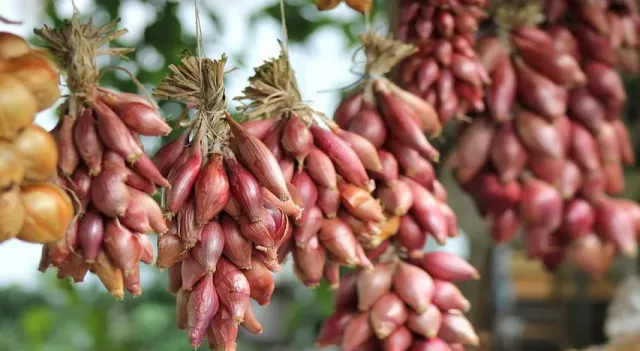
In an increasingly visual world, photography has evolved far beyond a hobby—it has become a powerful tool of connection, identity, and even resistance. From the alleyways of Marrakech to the streets of Tokyo, people around the globe are using photography to capture their realities, share their truths, and reimagine how we see the world. In 2025, the art of photography is no longer limited to professionals or those with expensive equipment. With powerful cameras embedded in nearly every smartphone and editing apps accessible to all, the global population has become a generation of storytellers. A New Language of Expression Photography has become the most universal visual language—transcending borders, politics, and even spoken words. A single image can spark movements, ignite conversations, and bring attention to marginalized voices.From the war-torn zones of Gaza and Ukraine to peaceful protests in Europe and climate marches in South America, everyday citizens are documenting history in real time. These raw, unfiltered images often make their way to global audiences faster than traditional news media."The smartphone is the new pen," says French photojournalist Camille Laurent. "People don’t just take photos—they share their worldviews." The Rise of Visual Identity In cities like New York, Seoul, and Berlin, photography has become deeply intertwined with personal branding. On platforms like Instagram and Threads, visuals are the currency of influence. Whether it’s fashion, travel, activism, or mental health, photography is the lens through which individuals craft and project their identity. This has also sparked a global aesthetic—where minimalist cafes in Istanbul resemble those in Paris, and sunlit "golden hour" selfies are universal. Yet within this visual sameness, cultural uniqueness is also being celebrated. Photographers are reclaiming their heritage—using traditional attire, rural landscapes, and local rituals to tell stories that challenge stereotypes and global homogenization. AI, Ethics & The Future As artificial intelligence blends with photography, questions of ethics and authenticity are surfacing. AI-generated portraits and edited realities raise concerns about truth, body image, and media manipulation. Yet, at the same time, AI tools are empowering more people to create stunning visuals without formal training—democratizing creativity in ways never imagined. "We’re entering an era where the line between photography and digital art is blurring," notes Japanese visual artist Rei Nakamura. "But the emotion behind the image still matters most." A Global Bond In refugee camps in Jordan, schoolchildren are given disposable cameras to capture their lives. In Scandinavian forests, nature photographers use drones to document wildlife. On African coastlines, photographers are preserving indigenous stories that were never written down. Despite the diversity of context, one thing is clear: photography connects humanity. It offers empathy. It builds bridges. In the words of American photographer Dorothea Lange, "Photography takes an instant out of time, altering life by holding it still." And today, more than ever, the world is watching—frame by frame.
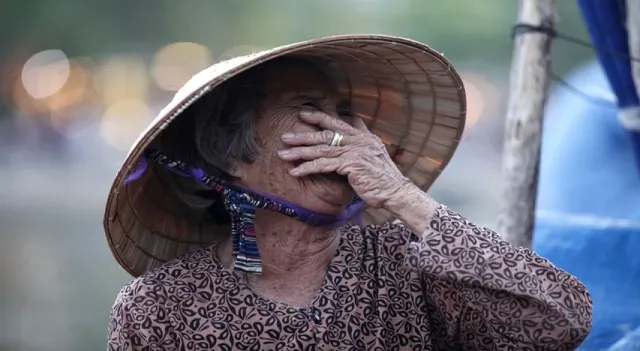
In an increasingly visual world, photography has evolved far beyond a hobby—it has become a powerful tool of connection, identity, and even resistance. From the alleyways of Marrakech to the streets of Tokyo, people around the globe are using photography to capture their realities, share their truths, and reimagine how we see the world. In 2025, the art of photography is no longer limited to professionals or those with expensive equipment. With powerful cameras embedded in nearly every smartphone and editing apps accessible to all, the global population has become a generation of storytellers. A New Language of Expression Photography has become the most universal visual language—transcending borders, politics, and even spoken words. A single image can spark movements, ignite conversations, and bring attention to marginalised voices. From the war-torn zones of Gaza and Ukraine to peaceful protests in Europe and climate marches in South America, everyday citizens are documenting history in real time. These raw, unfiltered images often make their way to global audiences faster than traditional news media. "The smartphone is the new pen," says French photojournalist Camille Laurent. "People don’t just take photos—they share their worldviews." The Rise of Visual Identity In cities like New York, Seoul, and Berlin, photography has become deeply intertwined with personal branding. On platforms like Instagram and Threads, visuals are the currency of influence. Whether it’s fashion, travel, activism, or mental health, photography is the lens through which individuals craft and project their identity. This has also sparked a global aesthetic—where minimalist cafes in Istanbul resemble those in Paris, and sunlit "golden hour" selfies are universal. Yet within this visual sameness, cultural uniqueness is also being celebrated. Photographers are reclaiming their heritage—using traditional attire, rural landscapes, and local rituals to tell stories that challenge stereotypes and global homogenisation. AI, Ethics & The Future As artificial intelligence blends with photography, questions of ethics and authenticity are surfacing. AI-generated portraits and edited realities raise concerns about truth, body image, and media manipulation. Yet, at the same time, AI tools are empowering more people to create stunning visuals without formal training—democratising creativity in ways never imagined. "We're entering an era where the line between photography and digital art is blurring," notes Japanese visual artist Rei Nakamura. "But the emotion behind the image still matters most." A Global Bond In refugee camps in Jordan, schoolchildren are given disposable cameras to capture their lives. In Scandinavian forests, nature photographers use drones to document wildlife. On African coastlines, photographers are preserving indigenous stories that were never written down. Despite the diversity of context, one thing is clear: photography connects humanity. It offers empathy. It builds bridges. In the words of American photographer Dorothea Lange, "Photography takes an instant out of time, altering life by holding it still." And today, more than ever, the world is watching—frame by frame.
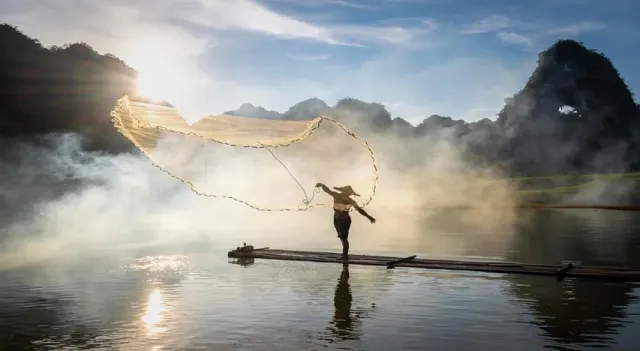
In an increasingly visual world, photography has evolved far beyond a hobby—it has become a powerful tool of connection, identity, and even resistance. From the alleyways of Marrakech to the streets of Tokyo, people around the globe are using photography to capture their realities, share their truths, and reimagine how we see the world. In 2025, the art of photography is no longer limited to professionals or those with expensive equipment. With powerful cameras embedded in nearly every smartphone and editing apps accessible to all, the global population has become a generation of storytellers. A New Language of Expression Photography has become the most universal visual language—transcending borders, politics, and even spoken words. A single image can spark movements, ignite conversations, and bring attention to marginalized voices. From the war-torn zones of Gaza and Ukraine to peaceful protests in Europe and climate marches in South America, everyday citizens are documenting history in real time. These raw, unfiltered images often make their way to global audiences faster than traditional news media. "The smartphone is the new pen," says French photojournalist Camille Laurent. "People don’t just take photos—they share their worldviews." The Rise of Visual Identity In cities like New York, Seoul, and Berlin, photography has become deeply intertwined with personal branding. On platforms like Instagram and Threads, visuals are the currency of influence. Whether it’s fashion, travel, activism, or mental health, photography is the lens through which individuals craft and project their identity. This has also sparked a global aesthetic—where minimalist cafes in Istanbul resemble those in Paris, and sunlit "golden hour" selfies are universal. Yet within this visual sameness, cultural uniqueness is also being celebrated. Photographers are reclaiming their heritage—using traditional attire, rural landscapes, and local rituals to tell stories that challenge stereotypes and global homogenization. AI, Ethics & The Future As artificial intelligence blends with photography, questions of ethics and authenticity are surfacing. AI-generated portraits and edited realities raise concerns about truth, body image, and media manipulation. Yet, at the same time, AI tools are empowering more people to create stunning visuals without formal training—democratizing creativity in ways never imagined. "We’re entering an era where the line between photography and digital art is blurring," notes Japanese visual artist Rei Nakamura. "But the emotion behind the image still matters most." A Global Bond In refugee camps in Jordan, schoolchildren are given disposable cameras to capture their lives. In Scandinavian forests, nature photographers use drones to document wildlife. On African coastlines, photographers are preserving indigenous stories that were never written down. Despite the diversity of context, one thing is clear: photography connects humanity. It offers empathy. It builds bridges. In the words of American photographer Dorothea Lange, "Photography takes an instant out of time, altering life by holding it still." And today, more than ever, the world is watching—frame by frame.

The U.S. Supreme Court issued a landmark ruling on Monday, declaring that former presidents are entitled to partial immunity from criminal prosecution for actions taken while in office. The 6-3 decision, split along ideological lines, has triggered intense political and legal debate across the country.The ruling stems from charges brought against former President Donald Trump, who has faced multiple indictments related to alleged interference in the 2020 presidential election and events surrounding the January 6 Capitol riot. The Court’s decision now makes it more difficult for prosecutors to pursue charges for actions deemed as part of a president's official duties. Divided Reactions President Joe Biden responded to the ruling by calling it a “dangerous precedent” that could place future presidents above the law. “No one in America should be beyond accountability,” he said during a press conference.Republican leaders, however, welcomed the decision. House Speaker Steve Scalise stated, “This ruling upholds the constitutional separation of powers and protects the office of the presidency from political attacks.”The recent Supreme Court ruling on presidential immunity has ignited intense debate across the United States, with sharp divisions emerging among legal experts, lawmakers, and the public. The decision, which sets new boundaries on the legal protections afforded to sitting presidents, has far-reaching implications for the balance of power and accountability in government. Supporters argue that the ruling upholds the integrity of the executive office by protecting it from politically motivated prosecutions, while critics warn that it could open the door to unchecked presidential authority. What the Ruling Means The Court ruled that while presidents do not have absolute immunity, they are shielded from criminal prosecution for actions that are “within the outer perimeter of official presidential responsibilities.” However, personal or unofficial actions remain subject to prosecution.Legal experts say the ruling could delay several of Trump’s ongoing legal cases, potentially impacting the 2024 election season, where Trump remains the leading Republican contender. As protests, press conferences, and panel discussions erupt nationwide, the ruling is expected to influence upcoming elections and reshape the legal landscape surrounding executive power for years to come. Public Response The recent Supreme Court ruling on presidential immunity has ignited intense debate across the United States, with sharp divisions emerging among legal experts, lawmakers, and the public. The decision, which sets new boundaries on the legal protections afforded to sitting presidents, has far-reaching implications for the balance of power and accountability in government. Supporters argue that the ruling upholds the integrity of the executive office by protecting it from politically motivated prosecutions, while critics warn that it could open the door to unchecked presidential authority. As protests, press conferences, and panel discussions erupt nationwide, the ruling is expected to influence upcoming elections and reshape the legal landscape surrounding executive power for years to come.

Colombo, July 1, 2025 — In a dramatic electoral upset that signals a new era in Sri Lankan politics, the United Democratic Alliance (UDA) has swept to power, dethroning the long-dominant ruling coalition in the 2025 General Elections. The victory paves the way for Anura Desilva to assume office as Prime Minister, riding a wave of public discontent over economic turmoil, corruption allegations, and youth frustration. Election Overview The UDA’s decisive win marks the first change in central leadership in over 12 years, breaking the stronghold of the United People’s Coalition (UPC), led by outgoing Prime Minister Dilan Jayawardene. According to the Election Commission of Sri Lanka, voter turnout hit a record 78%, with unusually high participation from first-time voters and the 18–30 age demographic. Youth-driven campaigns and social media engagement were central to the UDA's momentum, particularly in urban centers such as Colombo, Kandy, and Galle. Parliamentary Seat Distribution – 2025 General Election Political Party Seats Won Change from 2020 Vote Share (%) United Democratic Alliance (UDA) 132 +47 46.2% United People’s Coalition (UPC) 87 -52 34.1% National People’s Front (NPF) 18 +5 9.7% Tamil Unity Alliance (TUA) 12 0 6.3% Others / Independents 6 0 3.7% Total Seats 255 — 100% Key Factors Behind the UDA Victory Sri Lanka has faced persistent inflation, currency devaluation, and foreign debt pressures in recent years. The UDA campaigned on a bold plan to revitalize the economy, promising foreign investment reforms, reduced import dependency, and job creation for youth. Desilva’s repeated calls for government transparency and clean politics resonated with voters weary of high-profile corruption scandals linked to the outgoing administration. The UDA’s tech-savvy approach—leveraging social media, virtual town halls, and influencer-led content—connected with younger demographics and the urban middle class. A Peaceful Transition Amid International Applause Prime Minister Dilan Jayawardene, who had held the post since 2013, gracefully conceded defeat late Tuesday evening. In a televised statement, he said: “The people have spoken clearly and decisively. I urge all parties to support a peaceful transfer of power and wish Prime Minister-designate Anura Desilva all success.” Global leaders, including Indian Prime Minister Priya Mehta, EU President Claudia Sørensen, and U.S. President Mark Gonzalez, issued swift congratulatory messages. The United Nations and Commonwealth Election Monitoring Group both commended the election for being “free, fair, and well-administered.” What’s Next for the New Government Forming an Independent Anti-Corruption Task Force Renegotiating foreign debt terms with IMF and China Unveiling a National Employment Stimulus Package Reforming education and digital infrastructure Introducing legislation for media freedom and civil rights protections Public Sentiment and Expert Views On the streets of Colombo and in rural towns alike, the mood is one of cautious optimism.“I didn’t expect this result, but I’m happy,” said Kavindi Jayasuriya, a 22-year-old voter in Gampaha. “We need new faces, new thinking. I just hope they follow through.” Political analysts have described the result as a “tectonic shift” that could reshape Sri Lanka’s governance model. Dr. Nalaka Perera, a political science professor at the University of Peradeniya, noted: “This election marks a generational change. Voters demanded accountability, and the system delivered. If Desilva keeps his promises, this could be a pivotal turning point.” Conclusion: Winds of Change As Sri Lanka turns the page on an entrenched political chapter, expectations are soaring. The new administration inherits a fragile economy and deep institutional challenges but also carries a powerful mandate from a hopeful electorate.Whether the UDA’s sweeping victory leads to lasting reform or stumbles under the weight of its promises remains to be seen. For now, though, Sri Lanka basks in the glow of democratic renewal, and the world watches closely as a new chapter begins.
A new study published this week in the British Journal of Sports Medicine reveals that walking just 30 minutes a day can significantly reduce the risk of developing chronic diseases such as heart disease, diabetes, and certain cancers. Researchers from King’s College London followed over 12,000 adults aged between 40 and 70 for a period of 10 years. The study found that those who engaged in brisk walking daily had up to a 25% lower risk of heart-related illnesses compared to those with a sedentary lifestyle. “Walking is one of the simplest and most accessible forms of physical activity, yet its benefits are profound,” said Dr. Amelia White, the lead author of the study. “Our research confirms that even moderate movement each day can have a powerful impact on long-term health.” Other Key Findings: Participants who walked in green or natural environments saw greater mental health improvements. Risk of Type 2 diabetes was reduced by 19% in regular walkers. Those who walked in groups had higher motivation to stay active. Participants who walked in green or natural environments saw greater mental health improvements. Risk of Type 2 diabetes was reduced by 19% in regular walkers. Those who walked in groups had higher motivation to stay active. A Global Trend Health experts worldwide are echoing the message, especially in urban centers where sedentary lifestyles are increasingly linked to health problems. The World Health Organization (WHO) recently emphasized physical activity as a top priority for improving global health outcomes. A new study published this week in the British Journal of Sports Medicine reveals that walking just 30 minutes a day can significantly reduce the risk of developing chronic diseases such as heart disease, diabetes, and certain cancers. Researchers from King’s College London followed over 12,000 adults aged between 40 and 70 for a period of 10 years. The study found that those who engaged in brisk walking daily had up to a 25% lower risk of heart-related illnesses compared to those with a sedentary lifestyle. “Walking is one of the simplest and most accessible forms of physical activity, yet its benefits are profound,” said Dr. Amelia White, the lead author of the study. “Our research confirms that even moderate movement each day can have a powerful impact on long-term health.” Public Health Response In response to the findings, the UK’s Department of Health and Social Care announced plans to launch a new campaign titled “Step Forward: 30 Minutes a Day” to encourage more people to incorporate walking into their daily routine. Dr. Amelia White, the lead author of the study. “Our research confirms that even moderate movement each day can have a powerful impact on long-term health.” A Global Trend Health experts worldwide are echoing the message, especially in urban centers where sedentary lifestyles are increasingly linked to health problems. The World Health Organization (WHO) recently emphasized physical activity as a top priority for improving global health outcomes.

In recent years, the farm-to-table movement has gained powerful momentum across the United States, transforming how restaurants source their ingredients and how consumers think about their meals. What began as a niche trend in a few organic cafés has evolved into a widespread commitment to local, seasonal, and sustainable food sourcing—one that’s influencing both urban eateries and rural diners alike. Farm-to-table, also known as “farm-to-fork,” emphasizes the use of fresh, locally grown produce, meats, and dairy directly sourced from farmers, ranchers, and artisanal producers. The goal is simple: to shorten the supply chain, reduce the carbon footprint of food transportation, and ensure the highest quality ingredients reach the plate. Cities like Portland, Austin, and San Francisco have become leading hubs of this movement, with restaurants highlighting the origins of their ingredients on menus. Diners are increasingly choosing establishments that value transparency, ethical farming practices, and seasonality. From small bistros to fine-dining institutions, chefs are building relationships with local growers and crafting menus that change weekly or even daily depending on what’s available. Chef Rachel Dawson, owner of “Meadow & Mill” in Vermont, explains the appeal: “When I plan a menu, I don’t start with recipes. I start with what the farmers have picked that morning. That’s the beauty of it—freshness you can taste, and a connection to the land that’s becoming rare in today’s food system.” Beyond taste and ethics, the movement is also tied to health. Studies show that locally grown fruits and vegetables tend to retain more nutrients due to shorter transportation and storage times. Without the need for chemical preservatives or artificial ripening agents, the food remains closer to its natural state, appealing to health-conscious eaters.The COVID-19 pandemic further accelerated the trend as supply chain disruptions made consumers and restaurants alike more aware of the vulnerabilities of global food logistics. During lockdowns, many turned to local farms, community-supported agriculture (CSA) boxes, and farmers’ markets for their food needs. That momentum has carried over into 2025, with more restaurants committing to long-term partnerships with local producers. Government support has also played a role. Several states now offer grants and incentives for restaurants that source ingredients locally, while educational institutions and hospitals are increasingly adopting farm-to-school and farm-to-institution models. These programs not only benefit public health but also provide economic support to small and mid-sized farmers. However, the movement is not without challenges. Weather variability, limited supply during off-seasons, and higher costs can make it difficult for some restaurants to maintain a fully local menu. But many chefs view these challenges as opportunities for creativity. Winter menus may feature preserved vegetables, pickled goods, and root crops, while summer menus highlight berries, tomatoes, and fresh herbs. Consumers, too, are becoming more flexible and educated about seasonality. The expectation of year-round strawberries or imported avocados is gradually giving way to excitement about what’s in season and grown close to home. Food bloggers, nutritionists, and influencers are playing a major role in promoting this shift in food culture. As the farm-to-table philosophy continues to spread, it is influencing everything from school lunches to corporate cafeterias. Experts believe the movement will play a key role in building a more sustainable, resilient, and health-focused food system for the future. Whether you’re dining out or cooking at home, the next time you bite into a crisp apple or a farm-fresh egg, you might just be tasting the future of American food.

Across the United States, the culinary landscape is experiencing a dynamic transformation fueled by a growing interest in exotic foods and ingredients from every corner of the globe. This trend is reshaping menus in restaurants, inspiring home cooks, and encouraging chefs to experiment with bold new flavors that excite the adventurous American palate. In major cities like New York, Los Angeles, and Miami, diners are increasingly seeking out unique culinary experiences that introduce them to ingredients and dishes they may never have encountered before. Exotic foods such as sea cucumbers, jackfruit, edible flowers, and fermented delicacies are no longer niche items but are becoming popular staples in many trendy eateries. One notable example is the rise of jackfruit as a versatile plant-based meat alternative. Native to South and Southeast Asia, jackfruit’s texture and ability to absorb spices make it a popular substitute in vegan and vegetarian versions of traditional meat dishes like pulled pork sandwiches and tacos. Its popularity has surged due to growing consumer awareness of plant-based diets and sustainability concerns. Fermented foods, long celebrated in many Asian and European cultures, are also gaining ground in the U.S. market. Items like kimchi, natto, and miso are prized for their health benefits, particularly for gut health, and are now common in fusion dishes and health-conscious menus. Restaurants often feature kimchi fried rice, miso-glazed fish, and natto-inspired sauces, blending tradition with modern culinary innovation. Edible flowers and herbs are another exotic trend adding color and aroma to dishes. Flowers like nasturtiums, violets, and marigolds are used to garnish salads, desserts, and cocktails, elevating the dining experience visually and gastronomically. Mixologists have also embraced exotic botanicals to create unique flavor profiles in craft cocktails. Seafood lovers are exploring exotic species such as octopus, sea urchin, and abalone, which are prized for their delicate flavors and textures. These ingredients are often featured in high-end sushi bars and seafood restaurants, attracting diners eager to try luxurious and uncommon delicacies. Food festivals celebrating international cuisine have become platforms for showcasing exotic food trends. Events such as the “Global Taste Fest” in Los Angeles highlight dishes from Africa, South America, and Asia, giving Americans a chance to experience authentic flavors prepared by chefs from those regions. These festivals foster cultural appreciation and promote the diversity of the American food scene. Despite the excitement around exotic foods, experts caution that consumers should be mindful of sourcing and preparation. Sustainable harvesting and ethical practices are critical to ensuring these ingredients remain available without harming ecosystems. Moreover, proper preparation is necessary to ensure safety, as some exotic foods require special handling or cooking techniques. Retailers have responded to demand by expanding the availability of exotic ingredients through specialty markets and online stores. This accessibility enables home cooks to experiment with recipes inspired by global cuisines, further integrating exotic foods into everyday American cooking. The enthusiasm for exotic foods aligns with broader trends emphasizing culinary adventure, wellness, and sustainability. As Americans continue to explore new tastes and traditions, the food industry is poised to innovate, blending heritage with contemporary preferences to create exciting new dining experiences. For those eager to try exotic foods, food experts recommend starting with small portions and trusted establishments that prioritize quality and authenticity. Cooking classes and cultural food tours can provide valuable insights into the origins and proper preparation of these ingredients, making the culinary journey both enjoyable and educational.As the appetite for exotic foods grows, the American culinary scene will likely become even more vibrant and diverse, offering endless opportunities for discovery and enjoyment.

In recent years, American food lovers have been embracing an ever-growing fascination with exotic and unusual foods from around the world. From edible insects to rare fruits and unique seafood delicacies, adventurous diners in cities across the United States are seeking out new flavors and culinary experiences that challenge the traditional palate. Restaurants specializing in exotic cuisine have been popping up in metropolitan areas such as New York, Los Angeles, Miami, and Chicago, attracting food enthusiasts eager to try dishes that go beyond the familiar. According to a recent survey by the National Restaurant Association, nearly 40% of American diners say they are willing to try exotic foods at least once a year, and that number has steadily increased over the past decade. One of the most talked-about trends is the inclusion of insects, often referred to as “entomophagy,” in gourmet dishes. Crickets, mealworms, and grasshoppers are being incorporated into protein bars, snacks, and even fine dining menus. Nutritionists praise insects for their high protein content, sustainability, and low environmental impact compared to traditional livestock. Chefs like Alex Gomez of “Bug Bistro” in San Francisco have been pioneering creative recipes such as cricket flour pancakes and roasted grasshopper tacos, which are surprisingly well received. Exotic fruits and vegetables have also gained popularity among health-conscious consumers. Ingredients like dragon fruit, durian, rambutan, and black garlic are making their way into smoothies, salads, and sauces. These ingredients are not only valued for their unique flavors but also for their high antioxidant and vitamin content. Specialty grocery stores and farmers’ markets now regularly stock these items, making them more accessible to the average consumer.Seafood lovers are discovering unusual catches such as sea urchin, geoduck clam, and monkfish liver, often regarded as delicacies in Asian and European cuisines. High-end sushi restaurants are especially known for featuring these rare ingredients, drawing patrons willing to pay premium prices for an authentic taste of the exotic. The growing curiosity about global flavors has also spurred the rise of fusion cuisine, where chefs blend traditional recipes from different cultures to create innovative dishes. For instance, Korean-Mexican tacos and Indian-Italian pizzas are delighting customers with bold, unexpected flavor combinations.Food festivals celebrating exotic ingredients have become increasingly popular. Events like the “Exotic Eats Festival” in Miami showcase chefs and vendors who offer tastings of unusual dishes from across the globe. These festivals not only introduce people to new foods but also educate them about cultural traditions and sustainable food practices. While many consumers are eager to experiment, some express concerns about food safety and ethical sourcing. Experts emphasize the importance of ensuring that exotic ingredients are harvested sustainably and prepared hygienically to avoid health risks. Regulatory bodies are beginning to establish clearer guidelines to help both consumers and businesses navigate this emerging market. The fascination with exotic food reflects a broader trend toward culinary exploration and cultural exchange. As global travel resumes and digital media exposes people to diverse cuisines, the American dining scene continues to evolve with exciting new tastes. For adventurous eaters wanting to try exotic foods, experts recommend starting with well-reviewed restaurants and specialty food shops that source ingredients responsibly. Cooking classes and food tours are also popular ways to learn about preparation techniques and cultural contexts behind these unique dishes. With interest in exotic food showing no signs of slowing down, chefs and food entrepreneurs are likely to keep pushing the boundaries of flavor, creating an ever-more diverse and exciting culinary landscape in the United States.

In recent years, the United States has seen a remarkable surge in the popularity of plant-based foods, driven by growing consumer interest in health, sustainability, and ethical eating. From plant-based burgers to dairy-free cheeses, grocery store aisles and restaurant menus across the country are rapidly expanding their offerings to meet this rising demand. According to market research firm Nielsen, sales of plant-based foods increased by nearly 30% over the past two years, far outpacing the growth of traditional animal-based products. This trend is not limited to vegetarians and vegans alone; many meat-eaters are now adopting “flexitarian” diets that include more plant-based meals for health reasons. Experts attribute this shift to several factors. Health concerns top the list, as studies link excessive consumption of red and processed meats to heart disease, cancer, and other chronic illnesses. In addition, awareness about the environmental impact of livestock farming—such as greenhouse gas emissions, water use, and deforestation—has prompted consumers to seek more sustainable food choices. Restaurants have been quick to respond. Major chains like Burger King, McDonald’s, and KFC now offer plant-based alternatives, often partnering with companies such as Beyond Meat and Impossible Foods to develop burgers that closely mimic the taste and texture of beef. These products have attracted widespread attention, not only from consumers but also from investors eager to capitalize on the booming market. Local eateries and gourmet restaurants have embraced plant-based cooking as well, creating innovative dishes using ingredients like jackfruit, tofu, tempeh, and lentils. Chef Amanda Lee of the popular vegan restaurant “Green Table” in Seattle explains, “We focus on making plant-based food exciting and delicious, breaking the stereotype that vegetarian food is bland or boring. Our customers come for the flavors but stay for the health benefits.” The dairy industry is also witnessing transformation. With rising lactose intolerance awareness and vegan preferences, sales of almond milk, oat milk, and other dairy alternatives have skyrocketed. Supermarkets have expanded their selections beyond milk to include plant-based yogurts, creams, and cheeses. Despite the enthusiasm, some critics argue that processed plant-based products can be high in sodium and additives, warning consumers to read labels carefully. Nutritionists recommend balancing these alternatives with whole foods like fruits, vegetables, grains, nuts, and seeds to ensure a healthy diet. Government agencies and health organizations have taken note of the trend. The U.S. Department of Agriculture’s recent dietary guidelines encourage Americans to incorporate more plant-based proteins into their meals. Meanwhile, several cities and states are supporting urban farming and local produce markets to improve access to fresh, plant-based foods. Consumers are also influencing food manufacturing with their preferences for transparency and ethical sourcing. Many plant-based brands emphasize organic ingredients, non-GMO certification, and fair-trade practices in their marketing. The rise of plant-based diets reflects a broader cultural shift toward wellness and environmental responsibility. As people become more aware of the impact their food choices have on personal health and the planet, the plant-based movement is poised to grow even stronger. For those interested in trying plant-based foods, nutritionists suggest starting with simple swaps, such as replacing cow’s milk with oat milk in coffee or trying a meatless Monday meal. With the variety and quality of options available today, adopting a plant-forward diet has never been easier or more delicious.

Why Train Travel Is the Future of Sustainable Tourism In the face of growing environmental concerns and a global push for greener alternatives, train travel has emerged in 2025 as one of the most promising solutions for sustainable tourism. With lower emissions, rising consumer interest in eco-conscious travel, and significant investment in modern rail infrastructure, trains are redefining the way people explore the world. More than a nostalgic throwback, rail journeys today offer comfort, speed, and environmental responsibility—qualities that align with the values of the modern traveler. Here are the key reasons why train travel is gaining momentum as the future of sustainable tourism: Lower Carbon Emissions and Environmental Impact Trains produce significantly fewer greenhouse gas emissions compared to airplanes or cars. Electric and high-speed rail systems, now common in many parts of Europe and Asia, offer one of the cleanest forms of long-distance transportation. As climate change concerns grow, both tourists and governments are recognizing rail’s role in reducing the carbon footprint of global travel. Train stations are often located in the heart of cities and towns, directly connecting tourists with local businesses, markets, and attractions. This helps distribute tourism income more evenly—particularly to smaller or rural communities that are bypassed by major airlines. The result is a more inclusive, grassroots tourism model that benefits a wider range of people. Expansion of High-Speed Rail Networks Countries around the world are heavily investing in high-speed rail infrastructure. Networks connecting major cities and even cross-border regions are making train travel faster and more convenient than ever. In many cases, high-speed trains now rival or outperform air travel when total journey time—including airport transfers and security—is considered.Trains offer a slower, more mindful travel experience, allowing passengers to enjoy scenic routes, changing landscapes, and cultural transitions along the way. Unlike flights, which are often stressful and rushed, rail journeys provide spacious seating, onboard amenities, and uninterrupted views, turning the journey itself into part of the adventure. Technological Advancements Enhance the Journey Modern rail travel is enhanced by digital ticketing, real-time updates, mobile booking apps, and AI-powered route planning. Wi-Fi connectivity and smart onboard systems are turning trains into fully connected environments that suit the needs of both leisure and business travelers. These innovations help make train journeys smoother, safer, and more enjoyable. Today’s travelers—especially younger generations—are more environmentally and socially conscious. Many actively choose lower-emission options and seek authentic, slower-paced experiences that align with their values. Trains match this shift in mindset, offering a responsible way to explore the world without sacrificing comfort or convenience. In Summary Train travel in 2025 is no longer just a practical alternative—it is a symbol of the tourism industry's transformation toward sustainability. With growing awareness of climate change, advancements in rail technology, and a collective desire for meaningful, lower-impact journeys, trains are on track to become the preferred mode of travel for the environmentally responsible tourist. As the world looks toward greener horizons, the rails are leading the way.

Hidden Gems in Southeast Asia You’ve Never Heard Of While millions flock to Southeast Asia every year to explore tourist magnets like Bali, Bangkok, and Halong Bay, the region also hides a treasure trove of lesser-known destinations waiting to be discovered. In 2025, as more travelers seek authentic, off-the-beaten-path experiences, these hidden gems are gaining quiet popularity. These spots offer untouched landscapes, rich local cultures, and fewer crowds—ideal for travelers craving depth, solitude, and meaningful adventures. Here are some of Southeast Asia’s best-kept secrets that deserve a place on your next itinerary: Ban Gioc Waterfall, Vietnam Tucked away on the northern border of Vietnam, Ban Gioc Waterfall is one of the most breathtaking natural wonders in Asia—yet remains largely unknown to international tourists. Surrounded by lush limestone mountains and rice paddies, this massive waterfall straddles the border with China and offers a peaceful, untouched atmosphere. Visitors can take bamboo rafts near the base, explore nearby caves, and immerse themselves in the slow-paced rural life of Cao Bang Province. While Langkawi and Penang steal the spotlight, Bagan Lalang is a serene coastal village just an hour from Kuala Lumpur that offers calm beaches, seafood feasts, and spectacular sunsets without the tourist crowds. It’s the perfect weekend escape for travelers seeking local charm and affordable luxury. The overwater villas here provide a unique stay experience, and nearby mangrove forests offer eco-tourism activities like kayaking and birdwatching. Champasak, Laos Nestled along the Mekong River in southern Laos, Champasak is a tranquil town rich in history and spiritual beauty. Home to the ancient Khmer temple complex of Wat Phou—a UNESCO World Heritage Site often compared to Angkor Wat but with far fewer tourists—Champasak offers a unique window into Southeast Asia’s pre-Angkorian past. The town is also known for its French colonial architecture, riverside cafes, and laid-back pace of life. Often overshadowed by Boracay and Palawan, Siquijor is a mystical island in the central Philippines famous for its folklore, healing traditions, and crystal-clear waters. With hidden waterfalls, white-sand beaches, coral reefs, and firefly-filled mangrove forests, the island offers a magical blend of nature and local legend. Visitors can snorkel, motorbike across the island, or even visit traditional healers known as “mambabarang.” Tumpak Sewu, Indonesia Often called the “Niagara Falls of Indonesia,” Tumpak Sewu is a stunning horseshoe-shaped waterfall located in East Java, surrounded by jungle cliffs and volcanic terrain. Unlike the more visited Mount Bromo or Bali beaches, this hidden paradise requires a trek through dense forest and river crossings—making the reward even more satisfying. It’s ideal for adventurers, photographers, and anyone wanting to experience Indonesia’s raw natural power up close. Located at the southernmost tip of Myanmar, Kawthoung is a quiet port town and the gateway to the unspoiled Mergui Archipelago—an island chain of over 800 largely untouched islets. The area is ideal for sailing, diving, and discovering secluded beaches that feel truly remote. With few visitors and an emerging eco-tourism scene, Kawthoung remains one of the last frontiers for explorers looking for solitude and oceanic beauty. In Summary Southeast Asia continues to surprise travelers with its diversity, depth, and hidden wonders. As the travel landscape evolves, these lesser-known destinations are proving that you don’t need crowds or famous landmarks to have an unforgettable experience. Whether you're seeking nature, culture, adventure, or reflection—these secret spots offer the essence of Southeast Asia in its purest, most authentic form.

The Smart Way to See the World: How AI Is Revolutionizing Travel In an age where time is precious and wanderlust runs deep, artificial intelligence (AI) is becoming the ultimate travel companion. Gone are the days of juggling dozens of browser tabs, flipping through outdated guidebooks, or relying on guesswork. In 2025, planning a trip is as effortless as asking the right question—and letting AI do the rest. From the way we search for destinations to how we experience them in real time, AI is reshaping travel into something smarter, faster, and deeply personal. Here’s how it’s changing the game: Personalized Planning at Lightning Speed AI takes your travel preferences—budget, travel style, past trips, and even your online behavior—and instantly curates custom itineraries. Whether you're a solo backpacker or a family planner, platforms like Google Travel and Hopper analyze real-time data to recommend the best times to fly, where to stay, and what to do—tailored just for you. Need to change a flight, book a last-minute hotel, or file a baggage complaint? AI-powered chatbots now handle customer service around the clock—no more hold music or call center frustration. These virtual agents respond in seconds, speak your language, and are trained to solve real issues efficiently. Seamless Experiences Beyond Booking AI continues to assist even after you’ve boarded the plane. From live translation apps and AR-guided tours to facial recognition at airports, tech-enhanced journeys are smoother and more immersive. Your smartphone becomes your personal concierge, navigator, and translator—all powered by intelligent systems. While AI makes travel more efficient, it hasn’t replaced the value of human intuition. For complex trips or once-in-a-lifetime experiences, many still trust human travel advisors. But for most travelers, AI offers freedom from stress and planning fatigue—without losing the joy of discovery. The Future Is Here AI isn’t just helping us travel—it’s redefining how we connect with the world. With smart tools at your side, the hardest part of your next adventure might just be deciding where to go.

In today’s always-connected world, the concept of stepping away from digital devices has shifted from being a personal challenge to a luxury escape. More people, particularly high-earning professionals and frequent travelers, are now paying for the privilege of disconnecting. The digital detox—once a self-help buzzword—is becoming a high-end experience, offered by luxury resorts, remote lodges, and boutique wellness retreats.The demand for these escapes is growing because digital fatigue is real. On average, individuals check their smartphones over 100 times a day. Between emails, social media notifications, and constant pings from work chats, the pressure to remain available 24/7 is taking a toll on mental health. Many people report burnout, poor sleep, heightened anxiety, and even physical issues like eye strain and poor posture. As awareness grows around these effects, so too does the desire to unplug. Luxury hotels and retreat centers have taken notice. Instead of offering high-speed internet and smart TVs, these places are marketing silence, nature, and disconnection. Some resorts go as far as taking guests’ phones at check-in, offering lockboxes to prevent temptation. Others are located in areas without cell reception altogether, making digital access physically impossible. These experiences are no longer considered basic—they are seen as indulgent, even elite. This trend speaks to a broader cultural shift. In the past, luxury was defined by what you could access—fast internet, instant communication, high-tech devices. Now, it’s also about what you can avoid. To be unreachable, to have no signal, and to spend days without checking emails or social media updates has become a form of status. In fact, telling people you had no Wi-Fi on your vacation is almost a humblebrag in some circles. Aside from the appeal of exclusivity, digital detoxes offer real psychological benefits. People often report improved focus, reduced stress, better sleep, and deeper conversations with travel companions. Without the distraction of screens, guests reconnect with their surroundings, their thoughts, and each other. Even a short break—48 to 72 hours—can reset mental clarity and refresh energy levels. Many people return home more creative, more centered, and more in control of their digital habits. The rise of digital detox as a premium service also ties into the growing wellness economy. Alongside yoga, meditation, and clean eating, digital well-being is now a pillar of a healthy lifestyle. Wellness retreats and spas increasingly include offline activities such as journaling, hiking, forest bathing, or silent meals. The idea is not just to escape technology but to re-learn how to be present without it. Ultimately, digital detox is more than a travel trend—it’s a reflection of changing values. In an age where everything is optimized, connected, and efficient, choosing to slow down and unplug is not a step backward. It’s a deliberate, often expensive, choice to reclaim time, space, and peace of mind. In 2025, luxury is no longer about having everything—it’s about knowing when to shut it all off.

They say some places feel like a dream even when you’re wide awake—and for me, Cappadocia, Turkey was exactly that. From the moment I arrived in the quiet town of Göreme, nestled among soft volcanic rock formations, I knew this trip would be different. Not rushed. Not crowded. Just deeply personal and soul-refreshing. And it started—quite literally—with a hot air balloon ride at dawn. A Sky Full of Magic Waking up at 4:30 a.m. wasn’t easy, but the silence of the pre-sunrise sky made every yawn worth it. As our balloon gently rose, the horizon began to blush with orange and pink. Below us, hundreds of fairy chimneys, ancient caves, and rock-carved churches glowed in soft morning light. And above? Dozens of other balloons floated quietly—no noise, no chaos, just the soft sound of wind and the occasional whoosh of fire. It wasn’t a ride—it was meditation in the sky. Underground Cities & Ancient Souls Later that day, I explored Derinkuyu, one of Cappadocia’s underground cities, stretching nearly 200 feet deep. Walking through narrow tunnels and ancient ventilation shafts, I imagined how thousands once hid here during invasions. There’s something humbling about standing in a place where people lived, survived, and prayed without sunlight—yet with hope. Staying in a Cave Hotel (Yes, Really) What made my trip even more surreal was sleeping in a cave. I stayed at a cozy cave hotel with stone walls, warm lighting, and a rooftop terrace perfect for stargazing. The temperature inside was always cool, even when the sun baked the valley outside. At night, sipping Turkish tea under a sky full of stars and the silhouette of mountains in the distance—I felt completely present. No noise. No notifications. Just peace. Food, People, and Unexpected Moments The people of Cappadocia are gentle and proud of their heritage. Every shop owner I met shared a story—about how their family carved stones, or grew apricots in the valley. I ate manti (Turkish dumplings), sipped apple tea, and tried testi kebab—a meat stew cooked inside a clay pot, which the waiter cracked open right in front of me with a tiny hammer.Every meal felt like a celebration, even when I was alone. Why You Should Go Cappadocia isn’t a place for flashy travel photos—although it’s impossible to take a bad one. It’s a place for quiet joy, ancient echoes, and reconnecting with the part of you that wants to slow down. If you’ve been looking for a sign to disconnect from the digital world and lose yourself in the sky, in history, and in simple human connection—this is it. Travel Tips: Best time to visit: April–June or September–October (less heat, fewer crowds) Bring warm clothes for early mornings—even in summer Book balloon rides in advance—they sell out fast! Try to stay in Göreme or Ürgüp for the best cave hotel experience Final Thought: Cappadocia didn’t just give me a vacation. It gave me stillness, wonder, and a reminder that the world is wide—and we are small, but blessed to explore it.