
On a mission to record all of Ireland's bird species, many of which are dying out, Irishman Sean Ronayne calls his unique audio archive a tool to both raise alarm and bring hope. India has formally declared that it will never restore the 1960 Indus Waters Treaty (IWT) with Pakistan, effectively denying Pakistan access to water from the western rivers—Indus, Jhelum, and Chenab. This water supplied approximately 80% of Pakistan’s agricultural irrigation, making the dispute existential for millions of Pakistanis. The Express Tribune +14, Reuters +14, Al Jazeera +14. India’s Home Minister Amit Shah stated that the water previously destined for Pakistan will instead be diverted to support Indian states like Rajasthan, framing past Pakistani usage as “unjustified”. Under the treaty, Pakistan maintains usage rights to these rivers. However, India’s declaration to suspend, or hold the treaty in "abeyance"—a move not permitted under the treaty’s binding terms—has already led to reduced flows from the Chenab River, causing a reported 21% water deficit during the critical early Kharif season. A 7% shortfall is projected for late Kharif mint + 1. Indian Defence News + 1.

North Korea has begun an investigation into an accident that occurred during the launch of a new warship this week, state media said Friday, assessing the damage as "not serious". North Korea said Thursday that "a serious accident occurred" at the Wednesday launch ceremony for the newly built 5,000-ton naval destroyer, in which sections of the bottom of the vessel were crushed -- with leader Kim Jong Un calling the mishap a "criminal act". North Korea has begun an investigation into an accident that occurred during the launch of a new warship this week, state media said Friday, assessing the damage as "not serious". North Korea said Thursday that "a serious accident occurred" at the Wednesday launch ceremony for the newly built 5,000-ton naval destroyer, in which sections of the bottom of the vessel were crushed -- with leader Kim Jong Un calling the mishap a "criminal act". Technology stocks led the gains in the U.S., with Apple (AAPL) up 1.8% and Nvidia (NVDA) jumping 2.4%, as demand for AI and semiconductors remains strong. Tesla (TSLA) also rebounded, rising 3.1% after announcing better-than-expected Q2 vehicle deliveries. Global stock markets showed a mixed performance as investors weighed persistent inflation concerns against a wave of corporate earnings reports. While strong results from major tech companies helped lift some indexes, uncertainty surrounding central bank policies and the future path of interest rates kept others in check. In the U.S.,

Iranian and US negotiators met in Rome yesterday for a fifth round of nuclear talks, after a public disagreement over Tehran's uranium enrichment. The talks, which began in April, are the highest-level contact between the foes since the United States quit a landmark 2015 nuclear accord during President Donald Trump's first term. Iranian and US negotiators met in Rome yesterday for a fifth round of nuclear talks, after a public disagreement over Tehran's uranium enrichment. The talks, which began in April, are the highest-level contact between the foes since the United States quit a landmark 2015 nuclear accord during President Donald Trump's first term. Iranian and US negotiators met in Rome yesterday for a fifth round of nuclear talks, after a public disagreement over Tehran's uranium enrichment. The talks, which began in April, are the highest-level contact between the foes since the United States quit a landmark 2015 nuclear accord during President Donald Trump's first term. Iranian and US negotiators met in Rome yesterday for a fifth round of nuclear talks, after a public disagreement over Tehran's uranium enrichment. The talks, which began in April, are the highest-level contact between the foes since the United States quit a landmark 2015 nuclear accord during President Donald Trump's first term. Iranian and US negotiators met in Rome yesterday for a fifth round of nuclear talks, after a public disagreement over Tehran's uranium enrichment. The talks, which began in April, are the highest-level contact between the foes since the United States quit a landmark 2015 nuclear accord during President Donald Trump's first term. Iranian and US negotiators met in Rome yesterday for a fifth round of nuclear talks, after a public disagreement over Tehran's uranium enrichment. The talks, which began in April, are the highest-level contact between the foes since the United States quit a landmark 2015 nuclear accord during President Donald Trump's first term. Iranian and US negotiators met in Rome yesterday for a fifth round of nuclear talks, after a public disagreement over Tehran's uranium enrichment. The talks, which began in April, are the highest-level contact between the foes since the United States quit a landmark 2015 nuclear accord during President Donald Trump's first term. Iranian and US negotiators met in Rome yesterday for a fifth round of nuclear talks, after a public disagreement over Tehran's uranium enrichment. The talks, which began in April, are the highest-level contact between the foes since the United States quit a landmark 2015 nuclear accord during President Donald Trump's first term. Iranian and US negotiators met in Rome yesterday for a fifth round of nuclear talks, after a public disagreement over Tehran's uranium enrichment. The talks, which began in April, are the highest-level contact between the foes since the United States quit a landmark 2015 nuclear accord during President Donald Trump's first term. Iranian and US negotiators met in Rome yesterday for a fifth round of nuclear talks, after a public disagreement over Tehran's uranium enrichment. The talks, which began in April, are the highest-level contact between the foes since the United States quit a landmark 2015 nuclear accord during President Donald Trump's first term. Iranian and US negotiators met in Rome yesterday for a fifth round of nuclear talks, after a public disagreement over Tehran's uranium enrichment. The talks, which began in April, are the highest-level contact between the foes since the United States quit a landmark 2015 nuclear accord during President Donald Trump's first term. Iranian and US negotiators met in Rome yesterday for a fifth round of nuclear talks, after a public disagreement over Tehran's uranium enrichment. The talks, which began in April, are the highest-level contact between the foes since the United States quit a landmark 2015 nuclear accord during President Donald Trump's first term. Iranian and US negotiators met in Rome yesterday for a fifth round of nuclear talks, after a public disagreement over Tehran's uranium enrichment. The talks, which began in April, are the highest-level contact between the foes since the United States quit a landmark 2015 nuclear accord during President Donald Trump's first term. Iranian and US negotiators met in Rome yesterday for a fifth round of nuclear talks, after a public disagreement over Tehran's uranium enrichment. The talks, which began in April, are the highest-level contact between the foes since the United States quit a landmark 2015 nuclear accord during President Donald Trump's first term. Iranian and US negotiators met in Rome yesterday for a fifth round of nuclear talks, after a public disagreement over Tehran's uranium enrichment. The talks, which began in April, are the highest-level contact between the foes since the United States quit a landmark 2015 nuclear accord during President Donald Trump's first term. Iranian and US negotiators met in Rome yesterday for a fifth round of nuclear talks, after a public disagreement over Tehran's uranium enrichment. The talks, which began in April, are the highest-level contact between the foes since the United States quit a landmark 2015 nuclear accord during President Donald Trump's first term. Iranian and US negotiators met in Rome yesterday for a fifth round of nuclear talks, after a public disagreement over Tehran's uranium enrichment. The talks, which began in April, are the highest-level contact between the foes since the United States quit a landmark 2015 nuclear accord during President Donald Trump's first term. Iranian and US negotiators met in Rome yesterday for a fifth round of nuclear talks, after a public disagreement over Tehran's uranium enrichment. The talks, which began in April, are the highest-level contact between the foes since the United States quit a landmark 2015 nuclear accord during President Donald Trump's first term. Iranian and US negotiators met in Rome yesterday for a fifth round of nuclear talks, after a public disagreement over Tehran's uranium enrichment. The talks, which began in April, are the highest-level contact between the foes since the United States quit a landmark 2015 nuclear accord during President Donald Trump's first term. Iranian and US negotiators met in Rome yesterday for a fifth round of nuclear talks, after a public disagreement over Tehran's uranium enrichment. The talks, which began in April, are the highest-level contact between the foes since the United States quit a landmark 2015 nuclear accord during President Donald Trump's first term. Iranian and US negotiators met in Rome yesterday for a fifth round of nuclear talks, after a public disagreement over Tehran's uranium enrichment.

In a sharp escalation of his trade policies, former President Donald Trump has broadened his threat to impose steep tariffs—not only on Apple’s iPhones but on all imported smartphones, including those made by Samsung and other major brands. The announcement comes amid growing concern over trade imbalances, domestic manufacturing, and the broader geopolitical landscape. 🔥 Tariff Threat Goes Global On May 23, Trump announced via Truth Social and during an Oval Office press briefing that all smartphones manufactured abroad, including Apple’s iPhones and Samsung’s Galaxy line, would face a 25% import tariff unless they were assembled within the United States His message was clear: “I expect iPhones sold in the United States … to be made in the United States … If that is not the case, a Tariff of at least 25% must be paid.” The measure was originally directed solely at Apple but later was explicitly expanded: “It would be also Samsung and anybody that makes that product, otherwise it wouldn’t be fair,” Trump stated 🎯 Rationale Behind the Move This aggressive stance is part of Trump’s broader strategy to pressure foreign manufacturers into relocating production to the U.S. By leveraging his tariff-making authority—initially through emergency powers invoking global tariffs—Trump seeks to revive domestic manufacturing and reduce trade deficits
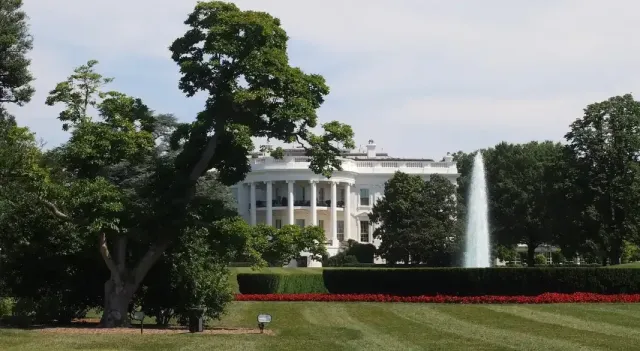
Washington, D.C. — The White House has significantly reduced the size of its National Security Council (NSC) in what officials describe as a sweeping and strategic reorganization aimed at increasing efficiency, cutting bureaucracy, and redefining the administration’s foreign policy workflow. The restructuring marks one of the most substantial overhauls of the NSC in recent years. According to senior administration officials, the move is intended to streamline internal processes, reduce redundancy across agencies, and ensure that the NSC functions as a core strategic advisory body — not as a parallel operational structure. This is Heading 2 The staff reductions affect various departments within the NSC, including regional and functional directorates. While the exact number of cuts has not been disclosed publicly, multiple director-level and senior advisor roles are said to be either reassigned or phased out in the coming weeks. Support positions and policy staff are also impacted, as the White House moves to centralize decision-making and tighten its command structure on national security matters. In a statement released earlier today, a senior official emphasized that the reorganization reflects a renewed commitment to a “leaner, more agile” security council — one capable of responding more effectively to a rapidly evolving global landscape. The official noted that the restructure will not compromise national security priorities or operational capabilities. “America’s challenges in today’s world require focus, clarity, and speed. This restructuring ensures that our national security team is built for results, not layers of process,” the statement read. The National Security Council, first established in 1947, has evolved significantly over the decades. Under recent administrations, the NSC has grown in size and scope, at times drawing criticism for being overly large and overly involved in tactical decision-making traditionally reserved for departments like State or Defense. Analysts suggest the latest cuts may be part of a broader White House strategy to return the council to its original advisory role — focused more on interagency coordination and long-term planning than daily execution of foreign policy. Despite the magnitude of the changes, the administration has reassured allies and partners that key international commitments remain unchanged, and that diplomacy, defense coordination, and intelligence integration will continue without disruption. As the restructuring process unfolds, further announcements regarding new leadership roles, redefined directorates, and updated policy priorities are expected in the coming days.

Police beefed up security at schools and religious buildings across Washington Friday as the US capital reeled from the fatal shooting of two Israeli embassy staffers outside a Jewish museum. Police beefed up security at schools and religious buildings across Washington Friday as the US capital reeled from the fatal shooting of two Israeli embassy staffers outside a Jewish museum.Police beefed up security at schools and religious buildings across Washington Friday as the US capital reeled from the fatal shooting of two Israeli embassy staffers outside a Jewish museum. Police beefed up security at schools and religious buildings across Washington Friday as the US capital reeled from the fatal shooting of two Israeli embassy staffers outside a Jewish museum.Police beefed up security at schools and religious buildings across Washington Friday as the US capital reeled from the fatal shooting of two Israeli embassy staffers outside a Jewish museum.Police beefed up security at schools and religious buildings across Washington Friday as the US capital reeled from the fatal shooting of two Israeli embassy staffers outside a Jewish museum.Police beefed up security at schools and religious buildings across Washington Friday as the US capital reeled from the fatal shooting of two Israeli embassy staffers outside a Jewish museum. Police beefed up security at schools and religious buildings across Washington Friday as the US capital reeled from the fatal shooting of two Israeli embassy staffers outside a Jewish museum.Police beefed up security at schools and religious buildings across Washington Friday as the US capital reeled from the fatal shooting of two Israeli embassy staffers outside a Jewish museum.Police beefed up security at schools and religious buildings across Washington Friday as the US capital reeled from the fatal shooting of two Israeli embassy staffers outside a Jewish museum. Police beefed up security at schools and religious buildings across Washington Friday as the US capital reeled from the fatal shooting of two Israeli embassy staffers outside a Jewish museum.Police beefed up security at schools and religious buildings across Washington Friday as the US capital reeled from the fatal shooting of two Israeli embassy staffers outside a Jewish museum.Police beefed up security at schools and religious buildings across Washington Friday as the US capital reeled from the fatal shooting of two Israeli embassy staffers outside a Jewish museum. Police beefed up security at schools and religious buildings across Washington Friday as the US capital reeled from the fatal shooting of two Israeli embassy staffers outside a Jewish museum.Police beefed up security at schools and religious buildings across Washington Friday as the US capital reeled from the fatal shooting of two Israeli embassy staffers outside a Jewish museum.Police beefed up security at schools and religious buildings across Washington Friday as the US capital reeled from the fatal shooting of two Israeli embassy staffers outside a Jewish museum.Police beefed up security at schools and religious buildings across Washington Friday as the US capital reeled from the fatal shooting of two Israeli embassy staffers outside a Jewish museum. Police beefed up security at schools and religious buildings across Washington Friday as the US capital reeled from the fatal shooting of two Israeli embassy staffers outside a Jewish museum.Police beefed up security at schools and religious buildings across Washington Friday as the US capital reeled from the fatal shooting of two Israeli embassy staffers outside a Jewish museum.Police beefed up security at schools and religious buildings across Washington Friday as the US capital reeled from the fatal shooting of two Israeli embassy staffers outside a Jewish museum. Police beefed up security at schools and religious buildings across Washington Friday as the US capital reeled from the fatal shooting of two Israeli embassy staffers outside a Jewish museum.Police beefed up security at schools and religious buildings across Washington Friday as the US capital reeled from the fatal shooting of two Israeli embassy staffers outside a Jewish museum.Police beefed up security at schools and religious buildings across Washington Friday as the US capital reeled from the fatal shooting of two Israeli embassy staffers outside a Jewish museum.Police beefed up security at schools and religious buildings across Washington Friday as the US capital reeled from the fatal shooting of two Israeli embassy staffers outside a Jewish museum. Police beefed up security at schools and religious buildings across Washington Friday as the US capital reeled from the fatal shooting of two Israeli embassy staffers outside a Jewish museum.Police beefed up security at schools and religious buildings across Washington Friday as the US capital reeled from the fatal shooting of two Israeli embassy staffers outside a Jewish museum.Police beefed up security at schools and religious buildings across Washington Friday as the US capital reeled from the fatal shooting of two Israeli embassy staffers outside a Jewish museum. Police beefed up security at schools and religious buildings across Washington Friday as the US capital reeled from the fatal shooting of two Israeli embassy staffers outside a Jewish museum.Police beefed up security at schools and religious buildings across Washington Friday as the US capital reeled from the fatal shooting of two Israeli embassy staffers outside a Jewish museum.Police beefed up security at schools and religious buildings across Washington Friday as the US capital reeled from the fatal shooting of two Israeli embassy staffers outside a Jewish museum. Police beefed up security at schools and religious buildings across Washington Friday as the US capital reeled from the fatal shooting of two Israeli embassy staffers outside a Jewish museum.Police beefed up security at schools and religious buildings across Washington Friday as the US capital reeled from the fatal shooting of two Israeli embassy staffers outside a Jewish museum.Police beefed up security at schools and religious buildings across Washington Friday as the US capital reeled from the fatal shooting of two Israeli embassy staffers outside a Jewish museum. Police beefed up security at schools and religious buildings across Washington Friday as the US capital reeled from the fatal shooting of two Israeli embassy staffers outside a Jewish museum.Police beefed up security at schools and religious buildings across Washington Friday as the US capital reeled from the fatal shooting of two Israeli embassy staffers outside a Jewish museum.Police beefed up security at schools and religious buildings across Washington Friday as the US capital reeled from the fatal shooting of two Israeli embassy staffers outside a Jewish museum. Israeli embassy staffers outside a Jewish museum.Police beefed up security at schools and religious buildings across Washington Friday as the US capital reeled from the fatal shooting of two Israeli embassy staffers outside a Jewish museum.Police beefed up security at schools and religious buildings across Washington Friday as the US capital reeled from the fatal shooting of two Israeli embassy staffers outside a Jewish museum. Police beefed up security at schools and religious buildings across Washington Friday as the US capital reeled from the fatal shooting of two Israeli embassy staffers outside a Jewish museum.Police beefed up security at schools and religious buildings across Washington Friday as the US capital reeled from the fatal shooting of two Israeli embassy staffers outside a Jewish museum.Police beefed up security at schools and religious buildings across Washington Friday as the US capital reeled from the fatal shooting of two Israeli embassy staffers outside a Jewish museum.

Dire humanitarian conditions in Myanmar and Bangladesh are driving more Rohingya to risk dangerous boat journeys to safety, such as one this month that ended in a sinking and estimates of 427 deaths, the UN refugee agency said on Friday.

Eighteen people were injured in a knife attack in Hamburg station on Friday evening, Germany's Bild newspaper reported, and local police confirmed they had arrested the suspected assailant.Eighteen people were injured in a knife attack in Hamburg station on Friday evening, Germany's Bild newspaper reported, and local police confirmed they had arrested the suspected assailant.Eighteen people were injured in a knife attack in Hamburg station on Friday evening, Germany's Bild newspaper reported, and local police confirmed they had arrested the suspected assailant. Eighteen people were injured in a knife attack in Hamburg station on Friday evening, Germany's Bild newspaper reported, and local police confirmed they had arrested the suspected assailant.Eighteen people were injured in a knife attack in Hamburg station on Friday evening, Germany's Bild newspaper reported, and local police confirmed they had arrested the suspected assailant.Eighteen people were injured in a knife attack in Hamburg station on Friday evening, Germany's Bild newspaper reported, and local police confirmed they had arrested the suspected assailant.Eighteen people were injured in a knife attack in Hamburg station on Friday evening, Germany's Bild newspaper reported, and local police confirmed they had arrested the suspected assailant. Eighteen people were injured in a knife attack in Hamburg station on Friday evening, Germany's Bild newspaper reported, and local police confirmed they had arrested the suspected assailant.Eighteen people were injured in a knife attack in Hamburg station on Friday evening, Germany's Bild newspaper reported, and local police confirmed they had arrested the suspected assailant.Eighteen people were injured in a knife attack in Hamburg station on Friday evening, Germany's Bild newspaper reported, and local police confirmed they had arrested the suspected assailant.Eighteen people were injured in a knife attack in Hamburg station on Friday evening, Germany's Bild newspaper reported, and local police confirmed they had arrested the suspected assailant. Eighteen people were injured in a knife attack in Hamburg station on Friday evening, Germany's Bild newspaper reported, and local police confirmed they had arrested the suspected assailant.Eighteen people were injured in a knife attack in Hamburg station on Friday evening, Germany's Bild newspaper reported, and local police confirmed they had arrested the suspected assailant.Eighteen people were injured in a knife attack in Hamburg station on Friday evening, Germany's Bild newspaper reported, and local police confirmed they had arrested the suspected assailant. Eighteen people were injured in a knife attack in Hamburg station on Friday evening, Germany's Bild newspaper reported, and local police confirmed they had arrested the suspected assailant.Eighteen people were injured in a knife attack in Hamburg station on Friday evening, Germany's Bild newspaper reported, and local police confirmed they had arrested the suspected assailant.Eighteen people were injured in a knife attack in Hamburg station on Friday evening, Germany's Bild newspaper reported, and local police confirmed they had arrested the suspected assailant.Eighteen people were injured in a knife attack in Hamburg station on Friday evening, Germany's Bild newspaper reported, and local police confirmed they had arrested the suspected assailant. Eighteen people were injured in a knife attack in Hamburg station on Friday evening, Germany's Bild newspaper reported, and local police confirmed they had arrested the suspected assailant.Eighteen people were injured in a knife attack in Hamburg station on Friday evening, Germany's Bild newspaper reported, and local police confirmed they had arrested the suspected assailant.Eighteen people were injured in a knife attack in Hamburg station on Friday evening, Germany's Bild newspaper reported, and local police confirmed they had arrested the suspected assailant.Eighteen people were injured in a knife attack in Hamburg station on Friday evening, Germany's Bild newspaper reported, and local police confirmed they had arrested the suspected assailant. Eighteen people were injured in a knife attack in Hamburg station on Friday evening, Germany's Bild newspaper reported, and local police confirmed they had arrested the suspected assailant.Eighteen people were injured in a knife attack in Hamburg station on Friday evening, Germany's Bild newspaper reported, and local police confirmed they had arrested the suspected assailant.Eighteen people were injured in a knife attack in Hamburg station on Friday evening, Germany's Bild newspaper reported, and local police confirmed they had arrested the suspected assailant. Eighteen people were injured in a knife attack in Hamburg station on Friday evening, Germany's Bild newspaper reported, and local police confirmed they had arrested the suspected assailant.Eighteen people were injured in a knife attack in Hamburg station on Friday evening, Germany's Bild newspaper reported, and local police confirmed they had arrested the suspected assailant.Eighteen people were injured in a knife attack in Hamburg station on Friday evening, Germany's Bild newspaper reported, and local police confirmed they had arrested the suspected assailant. Eighteen people were injured in a knife attack in Hamburg station on Friday evening, Germany's Bild newspaper reported, and local police confirmed they had arrested the suspected assailant.Eighteen people were injured in a knife attack in Hamburg station on Friday evening, Germany's Bild newspaper reported, and local police confirmed they had arrested the suspected assailant.Eighteen people were injured in a knife attack in Hamburg station on Friday evening, Germany's Bild newspaper reported, and local police confirmed they had arrested the suspected assailant.Eighteen people were injured in a knife attack in Hamburg station on Friday evening, Germany's Bild newspaper reported, and local police confirmed they had arrested the suspected assailant. Eighteen people were injured in a knife attack in Hamburg station on Friday evening, Germany's Bild newspaper reported, and local police confirmed they had arrested the suspected assailant.Eighteen people were injured in a knife attack in Hamburg station on Friday evening, Germany's Bild newspaper reported, and local police confirmed they had arrested the suspected assailant.Eighteen people were injured in a knife attack in Hamburg station on Friday evening, Germany's Bild newspaper reported, and local police confirmed they had arrested the suspected assailant.Eighteen people were injured in a knife attack in Hamburg station on Friday evening, Germany's Bild newspaper reported, and local police confirmed they had arrested the suspected assailant.Eighteen people were injured in a knife attack in Hamburg station on Friday evening, Germany's Bild newspaper reported, and local police confirmed they had arrested the suspected assailant. Eighteen people were injured in a knife attack in Hamburg station on Friday evening, Germany's Bild newspaper reported, and local police confirmed they had arrested the suspected assailant.Eighteen people were injured in a knife attack in Hamburg station on Friday evening, Germany's Bild newspaper reported, and local police confirmed they had arrested the suspected assailant.Eighteen people were injured in a knife attack in Hamburg station on Friday evening, Germany's Bild newspaper reported, and local police confirmed they had arrested the suspected assailant.Eighteen people were injured in a knife attack in Hamburg station on Friday evening, Germany's Bild newspaper reported, and local police confirmed they had arrested the suspected assailant.Eighteen people were injured in a knife attack in Hamburg station on Friday evening, Germany's Bild newspaper reported, and local police confirmed they had arrested the suspected assailant. Eighteen people were injured in a knife attack in Hamburg station on Friday evening, Germany's Bild newspaper reported, and local police confirmed they had arrested the suspected assailant.Eighteen people were injured in a knife attack in Hamburg station on Friday evening, Germany's Bild newspaper reported, and local police confirmed they had arrested the suspected assailant.Eighteen people were injured in a knife attack in Hamburg station on Friday evening, Germany's Bild newspaper reported, and local police confirmed they had arrested the suspected assailant.Eighteen people were injured in a knife attack in Hamburg station on Friday evening, Germany's Bild newspaper reported, and local police confirmed they had arrested the suspected assailant.Eighteen people were injured in a knife attack in Hamburg station on Friday evening, Germany's Bild newspaper reported, and local police confirmed they had arrested the suspected assailant. Eighteen people were injured in a knife attack in Hamburg station on Friday evening, Germany's Bild newspaper reported, and local police confirmed they had arrested the suspected assailant.Eighteen people were injured in a knife attack in Hamburg station on Friday evening, Germany's Bild newspaper reported, and local police confirmed they had arrested the suspected assailant.Eighteen people were injured in a knife attack in Hamburg station on Friday evening, Germany's Bild newspaper reported, and local police confirmed they had arrested the suspected assailant.Eighteen people were injured in a knife attack in Hamburg station on Friday evening, Germany's Bild newspaper reported, and local police confirmed they had arrested the suspected assailant.Eighteen people were injured in a knife attack in Hamburg station on Friday evening, Germany's Bild newspaper reported, and local police confirmed they had arrested the suspected assailant. Eighteen people were injured in a knife attack in Hamburg station on Friday evening, Germany's Bild newspaper reported, and local police confirmed they had arrested the suspected assailant.Eighteen people were injured in a knife attack in Hamburg station on Friday evening, Germany's Bild newspaper reported, and local police confirmed they had arrested the suspected assailant.Eighteen people were injured in a knife attack in Hamburg station on Friday evening, Germany's Bild newspaper reported, and local police confirmed they had arrested the suspected assailant.Eighteen people were injured in a knife attack in Hamburg station on Friday evening, Germany's Bild newspaper reported, and local police confirmed they had arrested the suspected assailant

Historic Exchange Under Istanbul Agreement In the largest prisoner swap since the full-scale war began, Russia and Ukraine have each released 390 prisoners—comprising 270 military personnel and 120 civilians—as part of an overall 1,000-for-1,000 agreement negotiated during direct talks in Istanbul earlier in May. BBC+4www.ndtv.com+4Deutsche Welle+4Anadolu Ajansı+15Reuters+ Departures and Arrivals Ukrainian returnees arrived in the Chernihiv region, many visibly frail with shaved heads and draped in national flags, greeted by emotional reunions with relatives amid cheers and tears. Reuters+4 The Washington +4 The Daily Star +4. Some had been held in captivity for nearly two years. Russian returnees, including soldiers and civilians captured during a Ukrainian incursion into Kursk region, were first transported to Belarus for medical and psychological evaluation before being repatriated ussia. BBC+3Reuters+3 The Guardian +3. Emotional Homecomings and Lingering Uncertainty Families crowded the exchange sites, clutching photographs of missing loved ones, hoping for a clue from those stepping off the buses. One Ukrainian newly freed veteran, held for more than 830 days, encouraged others not to lose hope: “In every prison there are many guys who had no contact with their relatives. I was the same,” he said The Guardian+10The Washington Post+10The Guardian+10. But for many, the reunion came with heavy uncertainty about family members still unaccounted for. Political Messages and Future Prospects President Volodymyr Zelenskyy hailed the swap as the only tangible outcome of the Istanbul talks and emphasized continued efforts to bring all detainees home. Hromadske The Washington PostThe Guardian. Russian Foreign Minister Sergey Lavrov promised that Moscow would submit a draft peace proposal following the exchange but reiterated refusal of a ceasefire unless certain conditions were met—terms Ukraine has rejected, according to Reuters The Guardian. Former U.S. President Donald Trump, who helped push for the Istanbul negotiations, congratulated both parties via his social media platform, calling the swap a possible step toward broader peace, though no ceasefire has been agreed upon, according to Reuters and the New York Post. Humanitarian Milestone Amid Ongoing Conflict This first phase swap underscores a rare moment of cooperation in a conflict that has otherwise deepened across Ukraine’s eastern and southern regions. While a few hundred lives have been restored to families, thousands remain in captivity, and both sides show no signs of halting hostilities. Negotiations may continue in coming days as both governments prepare for the next instalment of releases under the "1,000-for-1,000" agreement. For now, the tranche of 390 each represents the largest exchange of its kind since the war began.

A dramatic wave of realignment is sweeping across collegiate athletics, as major programs abandon long-standing conferences in search of lucrative media deals and expanded playoff opportunities. The Big Ten, SEC, and Big 12 have absorbed schools from coast to coast, leaving once-stable institutions like the Pac-12 fractured. These moves are dissolving historic rivalries and reshaping the identity of college sports, sparking backlash from fans and alumni who lament the loss of tradition for the sake of revenue. Athlete Compensation Enters Legal Crosshairs The fight over athlete compensation has reached new legal heights. Ongoing lawsuits and federal reviews are challenging the NCAA’s amateurism model, with growing momentum behind classifying student-athletes as employees. Courts are also examining whether colleges owe athletes additional protections under labor law. The decisions expected in the coming months could open the door for direct salaries, unionization, and broader benefits, potentially redefining the student-athlete experience. Nzme, Image, and Likeness (NIL) Continues to Evolve The NIL era is maturing rapidly, with student-athletes now securing multi-million-dollar endorsement deals and building personal brands through social media and sponsorships. However, the lack of federal regulation has led to inconsistencies across states and programs, creating confusion and competitive imbalance. Schools are scrambling to develop compliance frameworks, while Congress considers national legislation to bring uniformity to NIL rights and prevent further chaos in collegiate recruiting. Governance Reform Sparks Power Struggles As the NCAA faces mounting criticism over its authority and effectiveness, calls for governance reform are intensifying. Some schools and conferences are pushing for a breakaway model that would grant elite programs more autonomy. Others advocate for a decentralized system with regional control and athlete representation. The ongoing debates reflect deeper tensions about who controls college sports—and whether the current system can survive the era of big business and player empowerment. The Future: Toward a Professionalized College Sports Model? These combined shifts are pointing college sports toward a more professionalized future. As legal, financial, and structural pressures build, the once-clear line between amateur and professional athletics continues to blur. Whether through collective bargaining, conference-led governance, or direct payment, the landscape is evolving at a historic pace. What was once student-centered competition is now a billion-dollar industry confronting its identity—and rewriting its rules in real time.

In a moment steeped in franchise heritage, the Washington Commanders announced they will be retiring Hall‑of‑Famer Art Monk’s No. 81 jersey during their Week 9 home game against the Seattle Seahawks. The ceremony will feature "Super Bowl Era" alternate uniforms, a tribute befitting the receiver whose 940 catches and nearly 13,000 receiving yards remain Washington’s all‑time record. As the franchise honours its past, a tense negotiation unfolds in the present. Terry McLaurin, entering the final season of his six‑year, $68 million contract, has publicly voiced frustration over delays in extension talks. With five straight 1,000‑yard seasons behind him, McLaurin insists on compensation befitting an elite NFL receiver. His vocal discontent has sparked concerns among fans and analysts—many urging the front office to resolve the matter before training camp to avoid derailment during the 2025 season. Adding further intrigue, linebacker Frankie Luvu earned recognition as the No. 5 off‑ball linebacker in ESPN's 2025 rankings thanks to an outstanding 2024 campaign featuring eight sacks, 12 tackles for loss, and second‑team All‑Pro honours. Hogs Haven His rise signals that while the Commanders honour legends, new standout performances are reshaping the team’s identity. Legal and competitive landscapes also simmer as the Mountain West and Pac‑12 conferences prepare for litigation over unresolved legal disputes, possibly reshaping college athletics governance. Meanwhile, the "Moneyball" model is making waves—Texas Tech and others are strategically investing to level the playing field, exploring salary caps and compensation structuring, including tactics like backloading deals to stay competitive. The Times of India Hogs Haven The Falcoholic Mountain West Connection Into this evolving narrative, college football continues to produce standout professionals—players like Murf Gray, Jack Anker, and Aidan Cremarosa were recently drafted in the 2025 MLB Draft, underscoring the conference’s rising talent pipeline. Mountain West Connection This convergence of legacy celebration, player valuation, emerging defensive stars, and institutional transformation epitomises a franchise and sport in transition. The Commanders face critical decisions—balancing reverence for legends like Monk with the urgency of retaining top talent like McLaurin and building a competitive roster around rising standouts like Luvu. As training camps loom, how these storylines unfold—contract resolution, offensive versus defensive leadership, legal disputes in collegiate sport, and institutional competitiveness—will shape the trajectory not only of the Commanders organisation but also the broader narrative of American football in 2025.

In an increasingly visual world, photography has evolved far beyond a hobby—it has become a powerful tool of connection, identity, and even resistance. From the alleyways of Marrakech to the streets of Tokyo, people around the globe are using photography to capture their realities, share their truths, and reimagine how we see the world. In 2025, the art of photography is no longer limited to professionals or those with expensive equipment. With powerful cameras embedded in nearly every smartphone and editing apps accessible to all, the global population has become a generation of storytellers. A New Language of Expression Photography has become the most universal visual language—transcending borders, politics, and even spoken words. A single image can spark movements, ignite conversations, and bring attention to marginalised voices. From the war-torn zones of Gaza and Ukraine to peaceful protests in Europe and climate marches in South America, everyday citizens are documenting history in real time. These raw, unfiltered images often make their way to global audiences faster than traditional news media. "The smartphone is the new pen," says French photojournalist Camille Laurent. "People don’t just take photos—they share their worldviews." The Rise of Visual Identity In cities like New York, Seoul, and Berlin, photography has become deeply intertwined with personal branding. On platforms like Instagram and Threads, visuals are the currency of influence. Whether it’s fashion, travel, activism, or mental health, photography is the lens through which individuals craft and project their identity. This has also sparked a global aesthetic—where minimalist cafes in Istanbul resemble those in Paris, and sunlit "golden hour" selfies are universal. Yet within this visual sameness, cultural uniqueness is also being celebrated. Photographers are reclaiming their heritage—using traditional attire, rural landscapes, and local rituals to tell stories that challenge stereotypes and global homogenisation. AI, Ethics & The Future As artificial intelligence blends with photography, questions of ethics and authenticity are surfacing. AI-generated portraits and edited realities raise concerns about truth, body image, and media manipulation. Yet, at the same time, AI tools are empowering more people to create stunning visuals without formal training—democratising creativity in ways never imagined. "We're entering an era where the line between photography and digital art is blurring," notes Japanese visual artist Rei Nakamura. "But the emotion behind the image still matters most." A Global Bond In refugee camps in Jordan, schoolchildren are given disposable cameras to capture their lives. In Scandinavian forests, nature photographers use drones to document wildlife. On African coastlines, photographers are preserving indigenous stories that were never written down. Despite the diversity of context, one thing is clear: photography connects humanity. It offers empathy. It builds bridges. In the words of American photographer Dorothea Lange, "Photography takes an instant out of time, altering life by holding it still." And today, more than ever, the world is watching—frame by frame.

In an astonishing turn of events, a rising social media influencer known for her luxurious lifestyle and motivational content was arrested on Sunday in connection with a multi-crore online scam operation. The arrest has sent shockwaves across the digital world, particularly among her millions of followers who once admired her as a symbol of success and inspiration. The Arrest At approximately 6:30 a.m. on Sunday morning, a team from the Cyber Crime Division of the Criminal Investigation Department (CID) conducted a raid at a high-end apartment complex in Gulshan, Dhaka. The prime suspect, 26-year-old Shanta Rahman—popularly known as "Shanta Queen" on TikTok—was taken into custody along with her personal assistant and two IT technicians. CID officials confirmed that the arrest came after a month-long investigation into a syndicate involved in duping people through fake e-commerce sites, lottery schemes, and phishing scams. Preliminary evidence indicates that Shanta was not only the face of the operation but also the planner and main beneficiary. The Rise to Fame Shanta Rahman began her journey as a beauty content creator in early 2021, initially uploading makeup tutorials, fitness tips, and motivational speeches. Within a year, she had amassed over 1.8 million followers on TikTok and a substantial following on YouTube and Instagram. With her charming personality, designer outfits, and luxury lifestyle, Shanta quickly became a role model for thousands of young people. Brands flocked to sponsor her content, and her growing popularity even earned her interviews on local TV shows. But behind the glitz and glamour, investigators say, lay a carefully orchestrated digital scam. The Modus Operandi According to CID’s findings, Shanta and her team had been running a string of fake online platforms since late 2022. These included: Fake E-commerce Stores: Websites selling electronics and luxury goods at too-good-to-be-true prices, accepting payments but never delivering products. Lottery Scams: Victims were promised massive cash rewards after paying a “processing fee” or “tax” to claim their prize. Phishing Operations: Imitation websites of legitimate financial institutions were used to collect sensitive banking data from unsuspecting users. CID reports that the scam network affected over 4,500 victims nationwide, with estimated financial damages exceeding ৳18 crore (approximately $1.6 million). Digital forensics have revealed that the operation used highly sophisticated web tools and anonymizing technologies to avoid detection. Payments were routed through multiple bank accounts, most registered under fake national IDs. The Face of Fraud While Shanta initially gained popularity as a lifestyle content creator, by mid-2023, her content started promoting quick-money schemes under the guise of "digital entrepreneurship." She urged followers to invest in “online ventures,” offering video testimonials from so-called “successful investors”—many of whom are now believed to be actors or manipulated AI-generated clips. “She leveraged her influencer status to gain trust. Her followers believed in her, and that’s what made the scam so effective,” said CID Additional Deputy Commissioner of Police (Cyber Crimes), Md. Faruque Hossain. “We’re calling this a modern digital Ponzi scheme. She used the trust economy of social media to commit crimes,” he added. Victims Speak Out After the arrest, several victims came forward on social media and to the press. One of them, 32-year-old Rezaul Karim from Rajshahi, claimed to have lost over ৳70,000 after trying to buy a DSLR camera from one of Shanta's promoted e-commerce websites. “She seemed trustworthy. Her videos made her look so professional and confident. I never imagined she could be a scammer,” he lamented. Another victim, a university student in Chattogram, said he was lured into an online "digital course" scheme where participants had to pay a fee to learn how to "earn from home." The course had no real value and disappeared after a few weeks. What the Authorities Found During the raid, CID officials seized: 8 high-end smartphones and 4 laptops loaded with tracking software Multiple fake SIM cards and national ID copies Three POS machines and multiple debit cards A whiteboard outlining scam funnel strategies Digital forensic analysts are currently retrieving data from cloud storage linked to her devices, which are expected to yield further insights into the depth of the scam. Shanta’s Defense In an initial court appearance on Monday, Shanta denied all charges, claiming she was unaware of the illegal activities and was being framed. “I run a business. I am a content creator, not a criminal,” she said, breaking down in front of reporters. “I didn’t know my marketing team was using my brand for scams.” However, CID officers remain firm in their position, stating that they have found “incontrovertible evidence” of her direct involvement, including voice messages, email exchanges, and financial transactions routed to her personal account. Social Media Reaction News of the arrest sparked mixed reactions on social media. While some fans expressed disbelief and support using the hashtag #FreeShanta, others felt betrayed and angry. “She fooled thousands. I used to trust her completely,” one TikTok comment read. Several influencers and digital creators issued public statements distancing themselves from Shanta and urging their followers to be cautious about where they invest their money. Legal Proceedings Shanta has been placed on a five-day remand for further interrogation. CID has also announced that more arrests are expected in the coming days, as evidence suggests the scam was not run by Shanta alone but involved a wider network of digital marketers, IT experts, and money mules. If convicted under the Digital Security Act 2018 and Penal Code sections relating to fraud and cybercrime, Shanta could face up to 10 years in prison along with heavy fines. Legal experts note that this case may set a precedent for how Bangladesh handles online influencer-related frauds in the future. The Bigger Picture Experts in cybersecurity and digital law argue that this case highlights a growing problem: unregulated influencer marketing and the dark side of digital fame. “Many influencers now have more reach and trust than traditional celebrities. This influence comes with responsibility, and clearly, some are misusing it for personal gain,” said Professor Anika Hossain, a digital ethics researcher at Dhaka University. “There needs to be more regulation, verification, and oversight—both from platforms and authorities,” she added. Conclusion The fall of Shanta Rahman is a cautionary tale about the intersection of fame, influence, and crime in the digital age. What started as a story of entrepreneurial success and inspiration has unraveled into one of deceit, manipulation, and exploitation. As the legal process unfolds, thousands of victims await justice, and a country watches closely—wondering how many more "digital stars" are hiding shadows behind their shine.

In an astonishing turn of events, a rising social media influencer known for her luxurious lifestyle and motivational content was arrested on Sunday in connection with a multi-crore online scam operation. The arrest has sent shockwaves across the digital world, particularly among her millions of followers who once admired her as a symbol of success and inspiration. The Arrest At approximately 6:30 a.m. on Sunday morning, a team from the Cyber Crime Division of the Criminal Investigation Department (CID) conducted a raid at a high-end apartment complex in Gulshan, Dhaka. The prime suspect, 26-year-old Shanta Rahman—popularly known as "Shanta Queen" on TikTok—was taken into custody along with her personal assistant and two IT technicians. CID officials confirmed that the arrest came after a month-long investigation into a syndicate involved in duping people through fake e-commerce sites, lottery schemes, and phishing scams. Preliminary evidence indicates that Shanta was not only the face of the operation but also the planner and main beneficiary. The Rise to Fame Shanta Rahman began her journey as a beauty content creator in early 2021, initially uploading makeup tutorials, fitness tips, and motivational speeches. Within a year, she had amassed over 1.8 million followers on TikTok and a substantial following on YouTube and Instagram. With her charming personality, designer outfits, and luxury lifestyle, Shanta quickly became a role model for thousands of young people. Brands flocked to sponsor her content, and her growing popularity even earned her interviews on local TV shows. But behind the glitz and glamour, investigators say, lay a carefully orchestrated digital scam. The Modus Operandi According to CID’s findings, Shanta and her team had been running a string of fake online platforms since late 2022. These included: Fake E-commerce Stores: Websites selling electronics and luxury goods at too-good-to-be-true prices, accepting payments but never delivering products. Lottery Scams: Victims were promised massive cash rewards after paying a “processing fee” or “tax” to claim their prize. Phishing Operations: Imitation websites of legitimate financial institutions were used to collect sensitive banking data from unsuspecting users. CID reports that the scam network affected over 3000 fictitious stories. with estimated financial damages exceeding. Digital forensics have revealed that the operation used highly sophisticated web tools and anonymizing technologies to avoid detection. Payments were routed through multiple bank accounts, most registered under fake national IDs. The Face of Fraud While Shanta initially gained popularity as a lifestyle content creator, by mid-2023, her content started promoting quick-money schemes under the guise of "digital entrepreneurship." She urged followers to invest in “online ventures,” offering video testimonials from so-called “successful investors”—many of whom are now believed to be actors or manipulated AI-generated clips. “She leveraged her influencer status to gain trust. Her followers believed in her, and that’s what made the scam so effective,” said CID Additional Deputy Commissioner of Police (Cyber Crimes), Md. Faruque Hossain. “We’re calling this a modern digital Ponzi scheme. She used the trust economy of social media to commit crimes,” he added. Victims Speak Out After the arrest, several victims came forward on social media and to the press. One of them, 32-year-old Rezaul Karim from Rajshahi, claimed to have lost over ৳70,000 after trying to buy a DSLR camera from one of Shanta's promoted e-commerce websites. “She seemed trustworthy. Her videos made her look so professional and confident. I never imagined she could be a scammer,” he lamented. Another victim, a university student in Chattogram, said he was lured into an online "digital course" scheme where participants had to pay a fee to learn how to "earn from home." The course had no real value and disappeared after a few weeks. What the Authorities Found During the raid, CID officials seized: 8 high-end smartphones and 4 laptops loaded with tracking software Multiple fake SIM cards and national ID copies Three POS machines and multiple debit cards A whiteboard outlining scam funnel strategies Digital forensic analysts are currently retrieving data from cloud storage linked to her devices, which are expected to yield further insights into the depth of the scam. Shanta’s Defense In an initial court appearance on Monday, Shanta denied all charges, claiming she was unaware of the illegal activities and was being framed. “I run a business. I am a content creator, not a criminal,” she said, breaking down in front of reporters. “I didn’t know my marketing team was using my brand for scams.” However, CID officers remain firm in their position, stating that they have found “incontrovertible evidence” of her direct involvement, including voice messages, email exchanges, and financial transactions routed to her personal account. Social Media Reaction News of the arrest sparked mixed reactions on social media. While some fans expressed disbelief and support using the hashtag #FreeShanta, others felt betrayed and angry. “She fooled thousands. I used to trust her completely,” one TikTok comment read. Several influencers and digital creators issued public statements distancing themselves from Shanta and urging their followers to be cautious about where they invest their money. Legal Proceedings Shanta has been placed on a five-day remand for further interrogation. CID has also announced that more arrests are expected in the coming days, as evidence suggests the scam was not run by Shanta alone but involved a wider network of digital marketers, IT experts, and money mules. If convicted under the Digital Security Act 2018 and Penal Code sections relating to fraud and cybercrime, Shanta could face up to 10 years in prison along with heavy fines. Legal experts note that this case may set a precedent for how Bangladesh handles online influencer-related frauds in the future. The Bigger Picture Experts in cybersecurity and digital law argue that this case highlights a growing problem: unregulated influencer marketing and the dark side of digital fame. “Many influencers now have more reach and trust than traditional celebrities. This influence comes with responsibility, and clearly, some are misusing it for personal gain,” said Professor Anika Hossain, a digital ethics researcher at Dhaka University. There needs to be more regulation, verification, and oversight—both from platforms and authorities,” she added. Conclusion The fall of Shanta Rahman is a cautionary tale about the intersection of fame, influence, and crime in the digital age. What started as a story of entrepreneurial success and inspiration has unraveled into one of deceit, manipulation, and exploitation. As the legal process unfolds, thousands of victims await justice, and a country watches closely—wondering how many more "digital stars" are hiding shadows behind their shine.

In an astonishing turn of events, a rising social media influencer known for her luxurious lifestyle and motivational content was arrested on Sunday in connection with a multi-crore online scam operation. The arrest has sent shockwaves across the digital world, particularly among her millions of followers who once admired her as a symbol of success and inspiration. The Arrest At approximately 6:30 a.m. on Sunday morning, a team from the Cyber Crime Division of the Criminal Investigation Department (CID) conducted a raid at a high-end apartment complex in Gulshan, Dhaka. The prime suspect, 26-year-old Shanta Rahman—popularly known as "Shanta Queen" on TikTok—was taken into custody along with her personal assistant and two IT technicians. CID officials confirmed that the arrest came after a month-long investigation into a syndicate involved in duping people through fake e-commerce sites, lottery schemes, and phishing scams. Preliminary evidence indicates that Shanta was not only the face of the operation but also the planner and main beneficiary. The Rise to Fame Shanta Rahman began her journey as a beauty content creator in early 2021, initially uploading makeup tutorials, fitness tips, and motivational speeches. Within a year, she had amassed over 1.8 million followers on TikTok and a substantial following on YouTube and Instagram. With her charming personality, designer outfits, and luxury lifestyle, Shanta quickly became a role model for thousands of young people. Brands flocked to sponsor her content, and her growing popularity even earned her interviews on local TV shows. But behind the glitz and glamour, investigators say, lay a carefully orchestrated digital scam. The Modus Operandi According to CID’s findings, Shanta and her team had been running a string of fake online platforms since late 2022. These included: Fake E-commerce Stores: Websites selling electronics and luxury goods at too-good-to-be-true prices, accepting payments but never delivering products. Lottery Scams: Victims were promised massive cash rewards after paying a “processing fee” or “tax” to claim their prize. Phishing Operations: Imitation websites of legitimate financial institutions were used to collect sensitive banking data from unsuspecting users. CID reports that the scam network affected over 4,500 victims nationwide, with estimated financial damages exceeding ৳18 crore (approximately $1.6 million). Digital forensics have revealed that the operation used highly sophisticated web tools and anonymizing technologies to avoid detection. Payments were routed through multiple bank accounts, most registered under fake national IDs. The Face of Fraud While Shanta initially gained popularity as a lifestyle content creator, by mid-2023, her content started promoting quick-money schemes under the guise of "digital entrepreneurship." She urged followers to invest in “online ventures,” offering video testimonials from so-called “successful investors”—many of whom are now believed to be actors or manipulated AI-generated clips. “She leveraged her influencer status to gain trust. Her followers believed in her, and that’s what made the scam so effective,” said CID Additional Deputy Commissioner of Police (Cyber Crimes), Md. Faruque Hossain. “We’re calling this a modern digital Ponzi scheme. She used the trust economy of social media to commit crimes,” he added. Victims Speak Out After the arrest, several victims came forward on social media and to the press. One of them, 32-year-old Rezaul Karim from Rajshahi, claimed to have lost over ৳70,000 after trying to buy a DSLR camera from one of Shanta's promoted e-commerce websites. “She seemed trustworthy. Her videos made her look so professional and confident. I never imagined she could be a scammer,” he lamented. Another victim, a university student in Chattogram, said he was lured into an online "digital course" scheme where participants had to pay a fee to learn how to "earn from home." The course had no real value and disappeared after a few weeks. What the Authorities Found During the raid, CID officials seized: 8 high-end smartphones and 4 laptops loaded with tracking software Multiple fake SIM cards and national ID copies Three POS machines and multiple debit cards A whiteboard outlining scam funnel strategies Digital forensic analysts are currently retrieving data from cloud storage linked to her devices, which are expected to yield further insights into the depth of the scam. Shanta’s Defense In an initial court appearance on Monday, Shanta denied all charges, claiming she was unaware of the illegal activities and was being framed.“I run a business. I am a content creator, not a criminal,” she said, breaking down in front of reporters. “I didn’t know my marketing team was using my brand for scams.”However, CID officers remain firm in their position, stating that they have found “incontrovertible evidence” of her direct involvement, including voice messages, email exchanges, and financial transactions routed to her personal account. Social Media Reaction News of the arrest sparked mixed reactions on social media. While some fans expressed disbelief and support using the hashtag #FreeShanta, others felt betrayed and angry. “She fooled thousands. I used to trust her completely,” one TikTok comment read. Several influencers and digital creators issued public statements distancing themselves from Shanta and urging their followers to be cautious about where they invest their money. Legal Proceedings Shanta has been placed on a five-day remand for further interrogation. CID has also announced that more arrests are expected in the coming days, as evidence suggests the scam was not run by Shanta alone but involved a wider network of digital marketers, IT experts, and money mules. If convicted under the Digital Security Act 2018 and Penal Code sections relating to fraud and cybercrime, Shanta could face up to 10 years in prison along with heavy fines. Legal experts note that this case may set a precedent for how Bangladesh handles online influencer-related frauds in the future. The Bigger Picture Experts in cybersecurity and digital law argue that this case highlights a growing problem: unregulated influencer marketing and the dark side of digital fame. “Many influencers now have more reach and trust than traditional celebrities. This influence comes with responsibility, and clearly, some are misusing it for personal gain,” said Professor Anika Hossain, a digital ethics researcher at Dhaka University. “There needs to be more regulation, verification, and oversight—both from platforms and authorities,” she added. Conclusion The fall of Shanta Rahman is a cautionary tale about the intersection of fame, influence, and crime in the digital age. What started as a story of entrepreneurial success and inspiration has unraveled into one of deceit, manipulation, and exploitation. As the legal process unfolds, thousands of victims await justice, and a country watches closely—wondering how many more "digital stars" are hiding shadows behind their shine.

In an astonishing turn of events, a rising social media influencer known for her luxurious lifestyle and motivational content was arrested on Sunday in connection with a multi-crore online scam operation. The arrest has sent shockwaves across the digital world, particularly among her millions of followers who once admired her as a symbol of success and inspiration. The Arrest At approximately 6:30 a.m. on Sunday morning, a team from the Cyber Crime Division of the Criminal Investigation Department (CID) conducted a raid at a high-end apartment complex in Gulshan, Dhaka. The prime suspect, 26-year-old Shanta Rahman—popularly known as "Shanta Queen" on TikTok—was taken into custody along with her personal assistant and two IT technicians. CID officials confirmed that the arrest came after a month-long investigation into a syndicate involved in duping people through fake e-commerce sites, lottery schemes, and phishing scams. Preliminary evidence indicates that Shanta was not only the face of the operation but also the planner and main beneficiary. The Rise to Fame Shanta Rahman began her journey as a beauty content creator in early 2021, initially uploading makeup tutorials, fitness tips, and motivational speeches. Within a year, she had amassed over 1.8 million followers on TikTok and a substantial following on YouTube and Instagram. With her charming personality, designer outfits, and luxury lifestyle, Shanta quickly became a role model for thousands of young people. Brands flocked to sponsor her content, and her growing popularity even earned her interviews on local TV shows. But behind the glitz and glamour, investigators say, lay a carefully orchestrated digital scam. The Modus Operandi According to CID’s findings, Shanta and her team had been running a string of fake online platforms since late 2022. These included: Fake E-commerce Stores: Websites selling electronics and luxury goods at too-good-to-be-true prices, accepting payments but never delivering products. Lottery Scams: Victims were promised massive cash rewards after paying a “processing fee” or “tax” to claim their prize. Phishing Operations: Imitation websites of legitimate financial institutions were used to collect sensitive banking data from unsuspecting users. CID reports that the scam network affected over 4,500 victims nationwide, with estimated financial damages exceeding ৳18 crore (approximately $1.6 million). Digital forensics have revealed that the operation used highly sophisticated web tools and anonymising technologies to avoid detection. Payments were routed through multiple bank accounts, most registered under fake national IDs. The Face of Fraud While Shanta initially gained popularity as a lifestyle content creator, by mid-2023, her content started promoting quick-money schemes under the guise of "digital entrepreneurship". She urged followers to invest in “online ventures”, offering video testimonials from so-called “successful investors”—many of whom are now believed to be actors or manipulated AI-generated clips. “She leveraged her influencer status to gain trust. Her followers believed in her, and that’s what made the scam so effective,” said CID Additional Deputy Commissioner of Police (Cyber Crimes), Md Faruque Hossain. “We’re calling this a modern digital Ponzi scheme. She used the trust economy of social media to commit crimes,” he added. Victims Speak Out After the arrest, several victims came forward on social media and to the press. One of them, 32-year-old Rezaul Karim from Rajshahi, claimed to have lost over ৳70,000 after trying to buy a DSLR camera from one of Shanta's promoted e-commerce websites. “She seemed trustworthy. Her videos made her look so professional and confident. I never imagined she could be a scammer,” he lamented. Another victim, a university student in Chattogram, said he was lured into an online "digital course" scheme where participants had to pay a fee to learn how to "earn from home". The course had no real value and disappeared after a few weeks. What the Authorities Found During the raid, CID officials seized: 8 high-end smartphones and 4 laptops loaded with tracking software Multiple fake SIM cards and national ID copies Three POS machines and multiple debit cards A whiteboard outlining scam funnel strategies Digital forensic analysts are currently retrieving data from cloud storage linked to her devices, which are expected to yield further insights into the depth of the scam. Shanta’s Defense In an initial court appearance on Monday, Shanta denied all charges, claiming she was unaware of the illegal activities and was being framed. “I run a business. I am a content creator, not a criminal,” she said, breaking down in front of reporters. “I didn’t know my marketing team were using my brand for scams.” However, CID officers remain firm in their position, stating that they have found “incontrovertible evidence” of her direct involvement, including voice messages, email exchanges, and financial transactions routed to her personal account. Social Media Reaction News of the arrest sparked mixed reactions on social media. While some fans expressed disbelief and support using the hashtag #FreeShanta, others felt betrayed and angry. “She fooled thousands. I used to trust her completely,” one TikTok comment read. Several influencers and digital creators issued public statements distancing themselves from Shanta and urging their followers to be cautious about where they invest their money. Legal Proceedings Shanta has been placed on a five-day remand for further interrogation. CID has also announced that more arrests are expected in the coming days, as evidence suggests the scam was not run by Shanta alone but involved a wider network of digital marketers, IT experts, and money mules. If convicted under the Digital Security Act 2018 and Penal Code sections relating to fraud and cybercrime, Shanta could face up to 10 years in prison along with heavy fines. Legal experts note that this case may set a precedent for how Bangladesh handles online influencer-related frauds in the future. The Bigger Picture Experts in cybersecurity and digital law argue that this case highlights a growing problem: unregulated influencer marketing and the dark side of digital fame. “Many influencers now have more reach and trust than traditional celebrities. This influence comes with responsibility, and clearly, some are misusing it for personal gain,” said Professor Anika Hossain, a digital ethics researcher at Dhaka University. “There needs to be more regulation, verification, and oversight—both from platforms and authorities,” she added. Conclusion The fall of Shanta Rahman is a cautionary tale about the intersection of fame, influence, and crime in the digital age. What started as a story of entrepreneurial success and inspiration has unravelled into one of deceit, manipulation, and exploitation. As the legal process unfolds, thousands of victims await justice, and a country watches closely—wondering how many more "digital stars" are hiding shadows behind their shine.

In an astonishing turn of events, a rising social media influencer known for her luxurious lifestyle and motivational content was arrested on Sunday in connection with a multi-crore online scam operation. The arrest has sent shockwaves across the digital world, particularly among her millions of followers who once admired her as a symbol of success and inspiration. The Arrest At approximately 6:30 a.m. on Sunday morning, a team from the Cyber Crime Division of the Criminal Investigation Department (CID) conducted a raid at a high-end apartment complex in Gulshan, Dhaka. The prime suspect, 26-year-old Shanta Rahman—popularly known as "Shanta Queen" on TikTok—was taken into custody along with her personal assistant and two IT technicians. CID officials confirmed that the arrest came after a month-long investigation into a syndicate involved in duping people through fake e-commerce sites, lottery schemes, and phishing scams. Preliminary evidence indicates that Shanta was not only the face of the operation but also the planner and main beneficiary. The Rise to Fame Shanta Rahman began her journey as a beauty content creator in early 2021, initially uploading makeup tutorials, fitness tips, and motivational speeches. Within a year, she had amassed over 1.8 million followers on TikTok and a substantial following on YouTube and Instagram. With her charming personality, designer outfits, and luxury lifestyle, Shanta quickly became a role model for thousands of young people. Brands flocked to sponsor her content, and her growing popularity even earned her interviews on local TV shows. But behind the glitz and glamour, investigators say, lay a carefully orchestrated digital scam. The Modus Operandi According to CID’s findings, Shanta and her team had been running a string of fake online platforms since late 2022. These included: Fake E-commerce Stores: Websites selling electronics and luxury goods at too-good-to-be-true prices, accepting payments but never delivering products. Lottery Scams: Victims were promised massive cash rewards after paying a “processing fee” or “tax” to claim their prize. Phishing Operations: Imitation websites of legitimate financial institutions were used to collect sensitive banking data from unsuspecting users. CID reports that the scam network affected over 4,500 victims nationwide, with estimated financial damages exceeding ৳18 crore (approximately $1.6 million). Digital forensics have revealed that the operation used highly sophisticated web tools and anonymizing technologies to avoid detection. Payments were routed through multiple bank accounts, most registered under fake national IDs. The Face of Fraud While Shanta initially gained popularity as a lifestyle content creator, by mid-2023, her content started promoting quick-money schemes under the guise of "digital entrepreneurship." She urged followers to invest in “online ventures,” offering video testimonials from so-called “successful investors”—many of whom are now believed to be actors or manipulated AI-generated clips. “She leveraged her influencer status to gain trust. Her followers believed in her, and that’s what made the scam so effective,” said CID Additional Deputy Commissioner of Police (Cyber Crimes), Md. Faruque Hossain. “We’re calling this a modern digital Ponzi scheme. She used the trust economy of social media to commit crimes,” he added. Victims Speak Out After the arrest, several victims came forward on social media and to the press. One of them, 32-year-old Rezaul Karim from Rajshahi, claimed to have lost over ৳70,000 after trying to buy a DSLR camera from one of Shanta's promoted e-commerce websites. “She seemed trustworthy. Her videos made her look so professional and confident. I never imagined she could be a scammer,” he lamented. Another victim, a university student in Chattogram, said he was lured into an online "digital course" scheme where participants had to pay a fee to learn how to "earn from home." The course had no real value and disappeared after a few weeks. What the Authorities Found During the raid, CID officials seized: 8 high-end smartphones and 4 laptops loaded with tracking software Multiple fake SIM cards and national ID copies Three POS machines and multiple debit cards A whiteboard outlining scam funnel strategies Digital forensic analysts are currently retrieving data from cloud storage linked to her devices, which are expected to yield further insights into the depth of the scam. Shanta’s Defense In an initial court appearance on Monday, Shanta denied all charges, claiming she was unaware of the illegal activities and was being framed. “I run a business. I am a content creator, not a criminal,” she said, breaking down in front of reporters. “I didn’t know my marketing team was using my brand for scams.” However, CID officers remain firm in their position, stating that they have found “incontrovertible evidence” of her direct involvement, including voice messages, email exchanges, and financial transactions routed to her personal account. Social Media Reaction News of the arrest sparked mixed reactions on social media. While some fans expressed disbelief and support using the hashtag #FreeShanta, others felt betrayed and angry. “She fooled thousands. I used to trust her completely,” one TikTok comment read. Several influencers and digital creators issued public statements distancing themselves from Shanta and urging their followers to be cautious about where they invest their money. Legal Proceedings Shanta has been placed on a five-day remand for further interrogation. CID has also announced that more arrests are expected in the coming days, as evidence suggests the scam was not run by Shanta alone but involved a wider network of digital marketers, IT experts, and money mules. If convicted under the Digital Security Act 2018 and Penal Code sections relating to fraud and cybercrime, Shanta could face up to 10 years in prison along with heavy fines. Legal experts note that this case may set a precedent for how Bangladesh handles online influencer-related frauds in the future. The Bigger Picture Experts in cybersecurity and digital law argue that this case highlights a growing problem: unregulated influencer marketing and the dark side of digital fame. “Many influencers now have more reach and trust than traditional celebrities. This influence comes with responsibility, and clearly, some are misusing it for personal gain,” said Professor Anika Hossain, a digital ethics researcher at Dhaka University. “There needs to be more regulation, verification, and oversight—both from platforms and authorities,” she added. Conclusion The fall of Shanta Rahman is a cautionary tale about the intersection of fame, influence, and crime in the digital age. What started as a story of entrepreneurial success and inspiration has unraveled into one of deceit, manipulation, and exploitation. As the legal process unfolds, thousands of victims await justice, and a country watches closely—wondering how many more "digital stars" are hiding shadows behind their shine.
Chattogram, July 20, 2025 — In the bustling alleys of Bangladesh’s cities and towns, the age-old cries of street vendors are being steadily replaced by the silent buzz of smartphones. Facebook Marketplace has quietly emerged as a game-changer for thousands of small vendors across the country, redefining how business is done in an increasingly digital world. From clothing and accessories to electronics and handmade crafts, sellers who once relied on door-to-door sales or modest market stalls are now turning to social media to reach a nationwide customer base — without the overhead of physical storefronts. Take the story of Jahidul Islam from Comilla. Once dependent on walking door to door with a heavy bag of clothes, he now operates from his home with a smartphone and a Facebook page. “I used to knock on 20 doors a day just to sell a few pieces,” he said. “Now, I post pictures online and get orders from all over the country — sometimes even from outside Bangladesh.” His story reflects a wider trend sweeping through both rural and urban Bangladesh: the rise of the digital entrepreneur. This digital shift, accelerated by increased smartphone penetration and affordable internet, is not only transforming commerce — it's changing lives. For many small vendors, particularly women, students, and low-income individuals, Facebook Marketplace provides a flexible, low-cost entry into business. Housewives are turning into online boutique owners. University students are selling gadgets or fashion items between classes. In places where job opportunities are limited, online selling offers a sense of economic independence and self-worth. The Impact at a Glance: Aspect Before Marketplace After Marketplace Startup cost High (shop rent, permits) Low (smartphone & internet) Customer reach Local only Nationwide (even diaspora) Business hours Limited to market hours 24/7 availability Job creation Minimal Growing micro-entrepreneurship Female participation Low Significantly increasing However, this success is not without its complications. With the rise in popularity of Facebook-based businesses, there has also been an increase in fraudulent activities. From misleading product photos and fake brands to outright scams where customers pay but never receive their orders, the lack of formal regulation and oversight is becoming a serious concern. Consumer rights groups report a growing number of complaints related to online transactions, with many victims having little to no legal recourse.“Fraudulent pages are popping up every day,” warns Tania Kabir, a digital rights activist in Dhaka. “People are losing money, and there's no centralized system to hold these vendors accountable. We need government and platform-level regulation that doesn’t hurt honest sellers but protects consumers.” The Bangladesh Telecommunication Regulatory Commission (BTRC) has also acknowledged the need for stronger oversight. Efforts are underway to create a verified seller badge for trustworthy Facebook businesses, as well as a dedicated complaint mechanism linked to the Ministry of Commerce’s consumer rights protection wing. But implementation remains slow, and many sellers remain wary of any policies that may increase their operational costs or introduce red tape. Despite the challenges, Facebook Marketplace continues to flourish. Its success also hints at a larger opportunity — the possibility of creating a more structured, digitally-driven small business ecosystem in Bangladesh. If paired with training in digital literacy, basic e-commerce, and customer service, this grassroots online economy could significantly reduce unemployment and increase income in low- and middle-income communities. Experts suggest that future success lies in partnerships between government, tech platforms, and local NGOs to create support systems for these digital entrepreneurs. Programs offering microloans, digital marketing training, and platform accountability could ensure that Facebook Marketplace continues to be not just a trend, but a long-term driver of economic change. For now, in towns like Chattogram, Rajshahi, Sylhet, and Comilla, Facebook Marketplace is more than a tool — it’s a livelihood. A digital lifeline that empowers the ambitious, supports families, and brings business to doorsteps — not with a knock, but with a notification. Bottom Line: As Bangladesh navigates its way through economic transitions, Facebook Marketplace has emerged as a powerful enabler of digital entrepreneurship. With proper support, regulation, and consumer protection, this informal sector could become a formal force in shaping the future of the country’s economy.

In an era where attention spans are short and social change demands urgency, TikTok has emerged as a powerful new platform for youth-driven activism. What started as a space for dance trends and lip-sync videos has quickly evolved into a vibrant ecosystem where young people are using 15–60 second clips to challenge injustice, raise awareness, and mobilize support for social causes.From climate change protests to gender rights, mental health awareness to political commentary, TikTok’s short-form video format has proven uniquely suited to sparking dialogue and capturing the emotions behind movements. Activists across Bangladesh, India, the Philippines, and beyond are using the platform not just for expression — but for education and mobilization. One powerful example includes the #StudentVoices movement in Bangladesh, where students shared videos demanding reforms in the education system, including calls for more inclusive policies and better mental health support in schools. These clips went viral, sparking mainstream media attention and responses from education officials. Similarly, during the Rohingya refugee crisis or after environmental disasters, TikTokers in South Asia created donation drives, fact-based explainers, and firsthand videos from affected zones — showing the platform’s potential for real-time grassroots journalism. In Manila, a TikTok series debunking election misinformation was viewed over 4 million times, mostly by first-time voters.However, this new wave of digital activism is not without challenges. Critics argue that “slacktivism” — where users feel satisfied simply by liking or sharing posts — may replace real-world engagement. There’s also concern about misinformation, content censorship, and the potential misuse of algorithms that may suppress marginalized voices. Despite these concerns, educators and social researchers recognize TikTok’s potential as an entry point for civic education and social awareness. Many NGOs and advocacy groups now collaborate with TikTok creators to reach younger demographics with accurate, inspiring, and mobilizing content.With over 1 billion users globally, and over 60% under the age of 30, TikTok is not just shaping how youth consume content — it’s shaping how they participate in the world. As digital native generations come of age, their activism is taking new forms — and TikTok, for all its controversies, is proving to be one of their loudest megaphones.

As grocery bills climb to record highs across continents, families are being forced to make painful choices. From Dhaka to Detroit, rising food prices have become a universal hardship, driven by a tangled web of global supply chain bottlenecks, extreme climate events, and geopolitical turmoil. Recent figures from the United Nations Food and Agriculture Organization (FAO) show that global food prices have risen nearly 23% year-over-year, marking one of the sharpest spikes in over a decade. Essential staples such as rice, wheat, cooking oil, and dairy are at the center of the storm, with developing economies bearing the worst of the impact. Food Inflation Snapshot: Category-Wise Price Surge Food Category Avg. Global Price Increase (12 Months) Key Drivers Grains (Rice, Wheat) +18% War in Ukraine, export bans Vegetables +25% Floods, droughts, labor shortages Dairy Products +15% High feed prices, energy costs Meat (Beef, Poultry) +22% Feed supply shortage, transport delays Cooking Oil +30% Indonesia’s ban, climate disasters What’s Causing the Crunch? 1. Supply Chain Disruptions COVID-19 aftershocks are still rippling through global logistics. Freight backlogs at ports, lack of refrigerated containers, and strikes among transport workers have delayed food delivery worldwide. “Even if you have food ready to ship, getting it from farm to table is twice as expensive and twice as slow,” says Prof. Arun Mitra, an economist at the University of Melbourne. 2. Geopolitical Tensions The Russia–Ukraine war has disrupted grain exports from two of the world’s largest producers. Together, they account for over 30% of the global wheat supply. Trade sanctions and naval blockades have further restricted shipments. Meanwhile, India’s curbs on rice exports to control domestic prices have squeezed markets across Africa and Southeast Asia. 3. Climate Change and Natural Disasters Flooding in Pakistan and Bangladesh wiped out rice and vegetable crops. Droughts in the Horn of Africa and heatwaves in Europe and Canada reduced wheat and maize yields. Wildfires in South America damaged farmland and disrupted coffee and soybean supply chains. 4. Currency Depreciation For many nations, the value of local currency has plummeted against the US dollar, making food imports even more expensive. In Bangladesh, the taka has lost nearly 18% of its value in two years, making oil, lentils, and dairy imports costlier than ever before. On the Ground: How Families Are Coping Rokeya Begum, a 39-year-old garment worker in Narayanganj, says, “Last year, I could afford fish three times a week. Now it’s once, maybe twice. Eggs and vegetables are also becoming luxuries.” In the U.S., middle-class families are increasingly relying on bulk-buying clubs and discount stores, while food bank demand is up 27% from the previous year. Across Africa, millions face the risk of acute food insecurity, with humanitarian agencies calling for urgent international aid. According to World Food Programme (WFP), over 345 million people globally are now experiencing "acute hunger", up from 282 million last year. What’s Being Done? Food subsidies in countries like Egypt, Indonesia, and Bangladesh. Price caps on essentials like onions, flour, and edible oils. Cash support to vulnerable families via mobile wallets. Investing in climate-resilient agriculture. Building regional food reserves to withstand export shocks. Strengthening infrastructure for cold chains and food storage. Diversifying trade routes and food sources. Expert Voices “Without bold reforms and global coordination, we risk food inflation becoming the new normal,” says Dr. Momena Alam of BRAC University’s Food Security Research Centre. “Poorer nations will suffer disproportionately. We must treat food not just as a market product but as a human right,” adds David Nabarro, WHO Special Envoy on Food Systems. The Road Ahead: Key Questions Will weather conditions stabilize in key growing regions? Can trade wars and protectionism be dialed back? How fast can logistics networks be rebuilt? Will richer nations support the food needs of vulnerable economies? Until these answers emerge, global households will continue to face a painful question at the checkout counter: How much food can I afford today?