Paris Fashion Week 2025 has concluded with a powerful message to the global fashion industry: sustainability, cultural diversity, and innovation are no longer optional but essential. This year’s event, held at the iconic Grand Palais, brought together designers, models, and fashion enthusiasts from around the world to witness a significant shift in creative direction. One of the most notable highlights of this year’s shows was the overwhelming emphasis on eco-conscious fashion. Leading brands such as Dior, Balenciaga, and Stella McCartney introduced collections made entirely from sustainable materials. Stella McCartney, known for her commitment to ethical fashion, showcased garments made from plant-based leather alternatives, recycled fabrics, and organic textiles. She remarked during her post-show conference that “sustainability is no longer just a concept; it is the future of fashion.” In addition to environmental responsibility, cultural representation was strongly present throughout the event. Designers from various regions, including Africa, South Asia, and Latin America, infused their collections with traditional elements. Indian designer Anita Kumar received widespread praise for her contemporary interpretation of the sari, incorporating digital embroidery and minimalistic draping. Nigerian label Ogechi blended bold Ankara prints with modern streetwear cuts, making a statement about heritage and identity in the modern world. Technology also played a significant role this year. Several designers experimented with smart fabrics, augmented reality (AR) experiences, and even garments that change color or shape based on environmental conditions. One of the most talked-about presentations was a 3D-printed dress that moved in sync with music, creating an immersive experience that quickly went viral on social media platforms. Inclusivity was another key theme. The runways featured models of all body types, genders, and ethnic backgrounds. Many praised this year’s fashion week for finally representing a more realistic and diverse image of beauty that resonates with audiences worldwide. Paris Fashion Week 2025 has set a new benchmark, reminding the industry that fashion is not only about aesthetics but also about responsibility, technology, and authenticity. As buyers and critics return home, the global industry is left with a clear message: the future of fashion is sustainable, inclusive, and culturally rich.

Paris Fashion Week 2025 has concluded with a powerful message to the global fashion industry: sustainability, cultural diversity, and innovation are no longer optional but essential. This year’s event, held at the iconic Grand Palais, brought together designers, models, and fashion enthusiasts from around the world to witness a significant shift in creative direction. One of the most notable highlights of this year’s shows was the overwhelming emphasis on eco-conscious fashion. Leading brands such as Dior, Balenciaga, and Stella McCartney introduced collections made entirely from sustainable materials. Stella McCartney, known for her commitment to ethical fashion, showcased garments made from plant-based leather alternatives, recycled fabrics, and organic textiles. She remarked during her post-show conference that “sustainability is no longer just a concept; it is the future of fashion.” In addition to environmental responsibility, cultural representation was strongly present throughout the event. Designers from various regions, including Africa, South Asia, and Latin America, infused their collections with traditional elements. Indian designer Anita Kumar received widespread praise for her contemporary interpretation of the sari, incorporating digital embroidery and minimalistic draping. Nigerian label Ogechi blended bold Ankara prints with modern streetwear cuts, making a statement about heritage and identity in the modern world. Technology also played a significant role this year. Several designers experimented with smart fabrics, augmented reality (AR) experiences, and even garments that change color or shape based on environmental conditions. One of the most talked-about presentations was a 3D-printed dress that moved in sync with music, creating an immersive experience that quickly went viral on social media platforms. Inclusivity was another key theme. The runways featured models of all body types, genders, and ethnic backgrounds. Many praised this year’s fashion week for finally representing a more realistic and diverse image of beauty that resonates with audiences worldwide. Paris Fashion Week 2025 has set a new benchmark, reminding the industry that fashion is not only about aesthetics but also about responsibility, technology, and authenticity. As buyers and critics return home, the global industry is left with a clear message: the future of fashion is sustainable, inclusive, and culturally rich.

Paris Fashion Week 2025 has concluded with a powerful message to the global fashion industry: sustainability, cultural diversity, and innovation are no longer optional but essential. This year’s event, held at the iconic Grand Palais, brought together designers, models, and fashion enthusiasts from around the world to witness a significant shift in creative direction. One of the most notable highlights of this year’s shows was the overwhelming emphasis on eco-conscious fashion. Leading brands such as Dior, Balenciaga, and Stella McCartney introduced collections made entirely from sustainable materials. Stella McCartney, known for her commitment to ethical fashion, showcased garments made from plant-based leather alternatives, recycled fabrics, and organic textiles. She remarked during her post-show conference that “sustainability is no longer just a concept; it is the future of fashion.” In addition to environmental responsibility, cultural representation was strongly present throughout the event. Designers from various regions, including Africa, South Asia, and Latin America, infused their collections with traditional elements. Indian designer Anita Kumar received widespread praise for her contemporary interpretation of the sari, incorporating digital embroidery and minimalistic draping. Nigerian label Ogechi blended bold Ankara prints with modern streetwear cuts, making a statement about heritage and identity in the modern world. Technology also played a significant role this year. Several designers experimented with smart fabrics, augmented reality (AR) experiences, and even garments that change color or shape based on environmental conditions. One of the most talked-about presentations was a 3D-printed dress that moved in sync with music, creating an immersive experience that quickly went viral on social media platforms. Inclusivity was another key theme. The runways featured models of all body types, genders, and ethnic backgrounds. Many praised this year’s fashion week for finally representing a more realistic and diverse image of beauty that resonates with audiences worldwide. Paris Fashion Week 2025 has set a new benchmark, reminding the industry that fashion is not only about aesthetics but also about responsibility, technology, and authenticity. As buyers and critics return home, the global industry is left with a clear message: the future of fashion is sustainable, inclusive, and culturally rich.

In an increasingly visual world, photography has evolved far beyond a hobby—it has become a powerful tool of connection, identity, and even resistance. From the alleyways of Marrakech to the streets of Tokyo, people around the globe are using photography to capture their realities, share their truths, and reimagine how we see the world. In 2025, the art of photography is no longer limited to professionals or those with expensive equipment. With powerful cameras embedded in nearly every smartphone and editing apps accessible to all, the global population has become a generation of storytellers. A New Language of Expression Photography has become the most universal visual language—transcending borders, politics, and even spoken words. A single image can spark movements, ignite conversations, and bring attention to marginalized voices. From the war-torn zones of Gaza and Ukraine to peaceful protests in Europe and climate marches in South America, everyday citizens are documenting history in real time. These raw, unfiltered images often make their way to global audiences faster than traditional news media. "The smartphone is the new pen," says French photojournalist Camille Laurent. "People don’t just take photos—they share their worldviews." The Rise of Visual Identity In cities like New York, Seoul, and Berlin, photography has become deeply intertwined with personal branding. On platforms like Instagram and Threads, visuals are the currency of influence. Whether it’s fashion, travel, activism, or mental health, photography is the lens through which individuals craft and project their identity. This has also sparked a global aesthetic—where minimalist cafes in Istanbul resemble those in Paris, and sunlit "golden hour" selfies are universal. Yet within this visual sameness, cultural uniqueness is also being celebrated. Photographers are reclaiming their heritage—using traditional attire, rural landscapes, and local rituals to tell stories that challenge stereotypes and global homogenization. AI, Ethics & The Future As artificial intelligence blends with photography, questions of ethics and authenticity are surfacing. AI-generated portraits and edited realities raise concerns about truth, body image, and media manipulation. Yet, at the same time, AI tools are empowering more people to create stunning visuals without formal training—democratizing creativity in ways never imagined. "We’re entering an era where the line between photography and digital art is blurring," notes Japanese visual artist Rei Nakamura. "But the emotion behind the image still matters most." A Global Bond In refugee camps in Jordan, schoolchildren are given disposable cameras to capture their lives. In Scandinavian forests, nature photographers use drones to document wildlife. On African coastlines, photographers are preserving indigenous stories that were never written down. Despite the diversity of context, one thing is clear: photography connects humanity. It offers empathy. It builds bridges. In the words of American photographer Dorothea Lange, "Photography takes an instant out of time, altering life by holding it still." And today, more than ever, the world is watching—frame by frame.
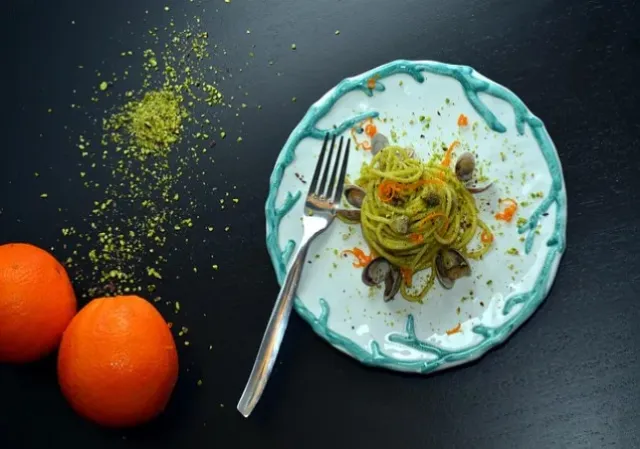
As the United States grows more culturally diverse, so too does its taste in food. From the streets of New York City to the suburbs of Texas and the coasts of California, Americans are embracing a new era of global cuisine, turning everyday dining into a cultural experience that reflects the country’s expanding multicultural identity. Driven by immigration, international travel, and a digitally connected generation of food lovers, the American food landscape is becoming a vibrant melting pot of flavors, ingredients, and cooking techniques. Dishes once considered exotic — like Korean bibimbap, Ethiopian injera, Peruvian ceviche, or Filipino adobo — are now readily available in mainstream supermarkets, food trucks, and upscale restaurants alike. According to a 2025 report by the National Restaurant Association, more than 68% of Americans say they regularly try foods from different cultures, and 4 out of 5 restaurants in major cities now offer menus that include international items or fusion dishes. This surge of interest in global flavors is reshaping the way food is prepared, marketed, and enjoyed in the U.S. Chef Marcus Legrand, a James Beard Award winner and owner of “Gathered Table” in Los Angeles, says the change is not just about taste, but about connection. “People want to eat stories now,” he says. “When they bite into Thai curry or West African jollof rice, they’re connecting with a culture, a history — it’s not just food, it’s a journey.” Streaming platforms, food blogs, and social media influencers are also accelerating this trend. Shows like Chef’s Table and Street Food on Netflix have introduced global cuisines to millions of viewers, while TikTok and Instagram are filled with short, viral videos that celebrate everything from Japanese bento boxes to Turkish street kebabs. Restaurants and food entrepreneurs are adapting quickly. Ghost kitchens — delivery-only food businesses — are now launching entire brands around niche global dishes like Vietnamese pho, Jamaican jerk chicken, or Malaysian laksa. At the same time, grocery stores are expanding their international sections to include a wider variety of spices, sauces, and ready-made meals from Asia, Africa, Latin America, and the Middle East. Health and sustainability are also influencing the movement. Many global diets are plant-forward, rich in whole grains, legumes, vegetables, and natural oils. As Americans grow more conscious of health and climate change, traditional Mediterranean, Japanese, and South Indian meals are gaining recognition for being both nutritious and environmentally sustainable. However, with the excitement also comes responsibility. Cultural appropriation in food — when recipes or cuisines are taken without respect or acknowledgment of their origins — remains a sensitive topic. Many chefs and restaurateurs are emphasizing authenticity, collaboration, and credit, working directly with immigrant communities to honor and elevate their culinary heritage. Food festivals, pop-up events, and cross-cultural collaborations are becoming key ways to celebrate this diversity. Events like the New York City International Food Bazaar or the Taste of Nations Festival in Chicago bring together chefs, home cooks, and families from around the world to share food, stories, and community. As the American palate continues to expand, experts say global cuisine is no longer a trend — it's the new normal. What was once labeled “ethnic food” is now simply food. In this age of openness and exploration, the future of food in America looks deliciously diverse — a reflection not just of what we eat, but of who we are.

In recent years, Bangladesh has witnessed a concerning surge in lifestyle-related diseases such as diabetes, hypertension, heart disease, and obesity. Health experts and medical professionals are sounding the alarm as these non-communicable diseases (NCDs) are becoming increasingly common among people of all ages, especially in urban areas. The trend indicates a significant shift in the nation’s health landscape, which once was more focused on communicable diseases and infections. According to the Bangladesh Bureau of Statistics and several health studies, one in every three adults is at risk of developing high blood pressure, while diabetes is affecting both middle-aged and younger individuals at an alarming rate. Cardiovascular diseases are now one of the leading causes of premature death in the country. Doctors say this shift is largely driven by rapid urbanization, poor lifestyle choices, and lack of health education. The root causes of this growing health threat are deeply linked to changing lifestyles. Fast food consumption has increased dramatically in the past decade, especially among the youth. Fried items, sugary drinks, and processed snacks have replaced home-cooked meals for many people. At the same time, physical activity has decreased due to technology-driven work and entertainment habits. Office workers spend long hours sitting, children prefer mobile games over outdoor play, and people generally avoid walking even short distances. Stress is another major factor contributing to lifestyle diseases. Busy work schedules, financial pressure, and social expectations are leading to sleep disorders and mental health issues like anxiety and depression. Unfortunately, mental health remains a less talked-about topic in our society, leaving many people untreated and unaware of the connection between stress and physical illness. Doctors are urging people to adopt preventive measures rather than waiting for symptoms to appear. These measures include eating a healthy, balanced diet with more fruits, vegetables, and whole grains; drinking sufficient water; avoiding excessive sugar and salt; and engaging in regular physical activities such as walking, yoga, or exercise. Avoiding smoking and alcohol is also highly recommended. Health campaigns and educational programs are essential to raise awareness across all sections of society. Experts suggest that schools should introduce health and nutrition education from an early stage. Workplaces should encourage short breaks, offer healthy snacks, and promote mental wellness. Government healthcare centers can also play a key role by organizing regular health check-up camps and offering guidance on maintaining a healthy lifestyle. The government has taken some steps, including launching awareness drives and strengthening non-communicable disease units in hospitals. However, more action is needed to reach rural populations and lower-income groups who often have less access to healthcare and information. The rise of lifestyle diseases is not just a medical issue—it’s a social, economic, and national concern. If left unaddressed, it could burden families with high treatment costs, reduce workforce productivity, and increase pressure on the already strained healthcare system. Public health specialists are warning that Bangladesh could face a serious health crisis in the next two decades if preventive steps are not taken now. The message is clear: small daily changes like eating nutritious food, staying physically active, reducing screen time, and managing stress can have a huge impact on long-term health. Now is the time to act, before these silent diseases take a louder toll on our lives.
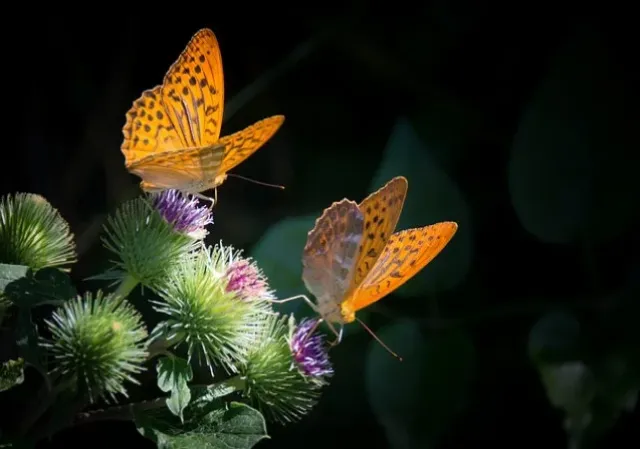
In an increasingly visual world, photography has evolved far beyond a hobby—it has become a powerful tool of connection, identity, and even resistance. From the alleyways of Marrakech to the streets of Tokyo, people around the globe are using photography to capture their realities, share their truths, and reimagine how we see the world. In 2025, the art of photography is no longer limited to professionals or those with expensive equipment. With powerful cameras embedded in nearly every smartphone and editing apps accessible to all, the global population has become a generation of storytellers. A New Language of Expression Photography has become the most universal visual language—transcending borders, politics, and even spoken words. A single image can spark movements, ignite conversations, and bring attention to marginalized voices. From the war-torn zones of Gaza and Ukraine to peaceful protests in Europe and climate marches in South America, everyday citizens are documenting history in real time. These raw, unfiltered images often make their way to global audiences faster than traditional news media. "The smartphone is the new pen," says French photojournalist Camille Laurent. "People don’t just take photos—they share their worldviews." The Rise of Visual Identity In cities like New York, Seoul, and Berlin, photography has become deeply intertwined with personal branding. On platforms like Instagram and Threads, visuals are the currency of influence. Whether it’s fashion, travel, activism, or mental health, photography is the lens through which individuals craft and project their identity. This has also sparked a global aesthetic—where minimalist cafes in Istanbul resemble those in Paris, and sunlit "golden hour" selfies are universal. Yet within this visual sameness, cultural uniqueness is also being celebrated. Photographers are reclaiming their heritage—using traditional attire, rural landscapes, and local rituals to tell stories that challenge stereotypes and global homogenization. AI, Ethics & The Future As artificial intelligence blends with photography, questions of ethics and authenticity are surfacing. AI-generated portraits and edited realities raise concerns about truth, body image, and media manipulation. Yet, at the same time, AI tools are empowering more people to create stunning visuals without formal training—democratizing creativity in ways never imagined. "We’re entering an era where the line between photography and digital art is blurring," notes Japanese visual artist Rei Nakamura. "But the emotion behind the image still matters most." A Global Bond In refugee camps in Jordan, schoolchildren are given disposable cameras to capture their lives. In Scandinavian forests, nature photographers use drones to document wildlife. On African coastlines, photographers are preserving indigenous stories that were never written down. Despite the diversity of context, one thing is clear: photography connects humanity. It offers empathy. It builds bridges. In the words of American photographer Dorothea Lange, "Photography takes an instant out of time, altering life by holding it still." And today, more than ever, the world is watching—frame by frame.
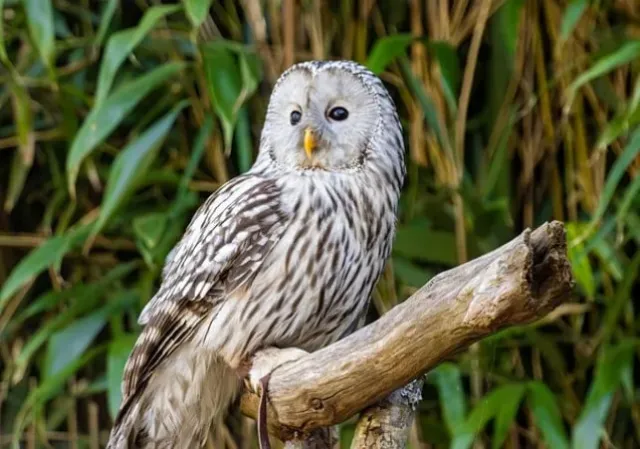
In the age of smartphones and social media, photography is no longer just an art—it's a lifestyle. From school students in Rajshahi to digital nomads in Sylhet, people across Bangladesh are using photography as a form of self-expression, storytelling, and even activism. What was once seen as a specialized skill is now a part of daily routine. Whether it's capturing street life with a mobile camera or doing portrait shoots with a DSLR, photography has become an essential language in modern life. "Taking pictures used to be reserved for weddings and formal events," says Ahsan Habib, a 26-year-old freelance photographer. "Now, it’s a way of documenting emotions, sharing perspectives, and even earning a living." The Rise of Visual Storytelling Platforms like Instagram, Facebook, and even TikTok have turned photography into a cultural currency. A well-composed photo can go viral, inspire debate, or spark trends overnight. In rural areas, mobile photography is bridging the gap between city and village, giving people a chance to share their stories with the world. In urban centers, photo walks and rooftop portrait sessions are becoming common weekend plans for youth. "Photography has helped me become more aware of my surroundings," says Samira Akhtar, a university student in Dhaka. "Now I notice light, color, and emotion in the smallest things." Professional vs. Passion With the growing interest in visual content, many young Bangladeshis are turning their hobby into a side income. Wedding photography, product shoots for small businesses, and real estate photography are rising in demand. Online platforms like Pathshala South Asian Media Institute and Udemy are offering courses on mobile photography, editing, and lighting techniques, making professional skills accessible to all. Meanwhile, photo contests and exhibitions are encouraging creative youth to showcase their talent. Even NGOs and news agencies are hiring local photographers to capture raw, real-time moments in underrepresented communities. Photography as Therapy Mental health professionals are now promoting photography as a therapeutic activity. "It helps people slow down and focus on the present moment," says Dr. Naimur Rahman, a psychologist. "Photography can reduce stress, build confidence, and improve emotional awareness." The Future Clicks With AI, drones, and 360° cameras entering the scene, the future of photography in Bangladesh is more exciting than ever. Yet, at its core, photography remains deeply human—a way to connect, remember, and feel. As Ahsan puts it, "A photograph is not just a picture. It’s a voice without sound—and sometimes, it speaks louder than words."

As global health trends evolve, a surprising shift is happening right here at home: Bangladeshi superfoods, once dismissed as "old-fashioned," are regaining popularity among health-conscious youth and wellness experts. Items like kalijira (black cumin), methi (fenugreek), amla (Indian gooseberry), and shutki (dried fish) are making their way from grandmothers’ kitchens to trendy health cafés and urban grocery stores. "We used to overlook these ingredients in favor of imported supplements," says Nayeem Hassan, a 34-year-old nutritionist and co-founder of Wellness Dhaka, a local health consultancy. "Now we’re realizing the power of our own food heritage." At Roots & Rituals, a new café in Dhanmondi, items like kalijira-infused parathas and amla smoothies are becoming top sellers. The café promotes clean eating by blending traditional wisdom with modern presentation. Why the Shift? Many urbanites are growing tired of processed food and artificial diets. Influencers, fitness coaches, and even some physicians are promoting a return to "ancestral nutrition"—natural, local, and affordable. "Kalijira is a powerful anti-inflammatory," explains Dr. Saima Noor, an integrative health specialist. "Combined with turmeric, it becomes a potent immunity booster—something we all became more aware of during COVID-19." The movement is also about identity. Young Bangladeshis are seeking ways to connect with their roots, not just through fashion and music, but through food. TikTok and Instagram are buzzing with #DeshiWellness trends—showing easy recipes like methi tea for digestion, roasted shutki with olive oil for protein, and shorbot made with local fruits instead of sugary sodas. Is It Just a Trend? Experts believe this is more than a passing phase. As Bangladesh’s middle class grows more health-conscious, the demand for affordable, accessible superfoods will likely continue. "The solutions to better health may not lie in a foreign bottle," says Nayeem. "They might be right inside your own kitchen rack." Whether it’s for health, heritage, or simple taste, traditional Bangladeshi ingredients are making a modern comeback—one dish at a time.

In the heart of Bangladesh’s fast-paced capital, a quiet revolution is taking place. Young professionals and millennials in Dhaka are increasingly embracing the global ‘slow living’ movement—choosing mindfulness, minimalism, and quality time over consumerism and constant hustle. From cozy book cafés in Dhanmondi to weekend pottery classes in Banani, urban dwellers are creating intentional pauses in their busy routines. This shift, many say, is about regaining control over their time and well-being. "I used to feel guilty for not being productive 24/7," says Rifa Mahmud, a 29-year-old graphic designer. "But now I’ve realized that slowing down helps me think clearer and live better." The slow living trend, popularized in the West through movements like hygge in Denmark or lagom in Sweden, has taken on a unique Bangladeshi twist. Locals are reviving traditional leisure activities—such as rooftop gardening, handcrafts, and reading Bangla literature—as part of this lifestyle shift. Retailers and cafés are also adapting. Businesses like The Lotus Lounge in Gulshan offer "no WiFi" zones to encourage conversation and relaxation. Homegrown brands are launching minimalist, eco-conscious clothing lines and locally made wellness products. Mental health experts applaud the trend, noting that Dhaka’s intense work culture and traffic stress contribute to burnout. "Slow living offers a necessary mental detox," says Dr. Tanjina Rahman, a clinical psychologist. "It’s not laziness—it’s survival with intention." Even social media is feeling the change. Influencers are switching gears from promoting luxury lifestyles to sharing moments of stillness, journaling, or slow food recipes. What’s Next? With growing awareness, the slow living movement is expected to grow, especially among the educated middle class. While challenges remain—such as the culture of overtime and digital overload—many believe this new mindset is here to stay. "Slowing down doesn’t mean giving up," says Rifa. "It means living with meaning."

In the pursuit of knowledge, studying becomes a transformative experience. It stretches our minds, pushing the boundaries of our understanding. It invites us to explore new disciplines, to embrace unfamiliar perspectives, and to challenge preconceived notions. With each subject we delve into, we gain a broader worldview, a deeper empathy for others, and a heightened sense of curiosity. Studying is not always an easy path. It requires discipline, perseverance, and dedication. There are moments of frustration, when concepts seem elusive, and information feels overwhelming. But it is through these challenges that we grow, developing resilience and the ability to overcome obstacles. The struggles we face in our studies shape us into more resilient individuals, equipping us with the tools to tackle future endeavors. Yet, studying is not solely an individual pursuit. It is a collaborative endeavor, where ideas are shared, debates are sparked, and collective knowledge is built. Engaging in group discussions, collaborating on projects, and seeking guidance from mentors and peers enhance our learning experience. Together, we forge connections, cultivate diverse perspectives, and foster a community of lifelong learners. Studying also kindles the flame of curiosity within us. It instills a hunger for discovery, for unraveling the mysteries of the universe. It ignites a desire to explore, to seek answers to the questions that pique our interest. Through studying, we embark on a continuous journey of growth, for there is always more to learn, to question, and to understand.

The sea's charm extends beyond its surface, diving into the depths of its mysterious underwater realm. Through underwater photography, a whole new world unfolds. Vibrant coral reefs teeming with life, graceful marine creatures gliding through the water, and the play of light and shadows beneath the surface create captivating images that transport viewers into an ethereal world. Photographing the sea requires patience, an eye for detail, and an understanding of its ever-changing nature. It demands the ability to anticipate the perfect moment, to capture the interplay of elements in a single frame. Whether it's the graceful flight of seagulls against a sunset sky, a lone surfer riding a towering wave, or the delicate patterns left by receding tides on the sandy shore, each image tells a story of the sea's eternal allure. Through photography, we not only capture the sea's beauty but also raise awareness about its fragility. The lens becomes a tool for conservation, shedding light on environmental issues and urging viewers to appreciate and protect these precious marine ecosystems. By showcasing the sea's wonders, we inspire others to cherish and preserve these invaluable natural resources for generations to come. The sea and photography share a symbiotic relationship, with the lens capturing the sea's magnificence while the sea, in turn, stirs the photographer's creativity and passion. It is a dynamic interplay, an ongoing dialogue between artist and subject, revealing the depths of both the sea and the human spirit.

IsDB to give $241.3m for climate-resilient bridges
Extortion remains rampant, threatens business confidence
The National Board of Revenue (NBR) is set to propose zero import duties on an additional 100 goods in the upcoming national budget, aiming to boost bilateral trade with the United States and cushion higher tariffs on Bangladeshi products entering the American market.
Beijing condemned on Wednesday new US warnings on the use of AI chips by Chinese tech giant Huawei, vowing it would take steps against "bullying" efforts to restrict access to high-tech semiconductors and supply chains.
The protesting officials, under the banner of "the NBR Reform Unity Council," today announced a fresh five-day programme, demanding the immediate removal of the National Board of Revenue (NBR) chairman alongside the repeal of the new ordinance.