A record 228,047 vehicles crossed the Jamuna Bridge between Sunday midnight and Friday midnight, generating Tk 167,646,550 in toll revenue. Among these days, the highest number of vehicles crossed the bridge and the highest toll was collected in a 24-hour period between Wednesday midnight and Thursday midnight, marking the busiest day in the bridge’s history. This information was confirmed by Ahsanul Kabir, executive engineer at the Jamuna Bridge site office. According to sources at the toll plaza, under normal conditions, around 18,000 to 20,000 vehicles cross the Jamuna Bridge daily. Typically, traffic increases during Eid holidays, but this time, the surge began even before the holiday officially started. Between Sunday midnight and Friday midnight, over a span of five days, 128,047 vehicles crossed the bridge from its eastern end (Tangail side) toward northern Bangladesh, generating Tk 94,304,600 in toll revenue. During the same period, 87,290 vehicles crossed from the western end (Sirajganj side), collecting Tk 73,341,950 in tolls.
In 2025, lifestyle is less about luxury and more about balance — between screens and silence, speed and stillness, consumption and sustainability. Around the globe, people are rethinking how they live, work, dress, and even breathe. Here are the top lifestyle trends and shifts redefining daily life today: 🧠 1. Digital Detoxing Is the New Luxury With burnout on the rise, more people are choosing "dopamine detox days" — 24-hour breaks from screens, social media, and even smart devices. Wellness resorts from Bali to Barcelona now offer “digital silence zones,” where phones are locked away, and mindfulness is practiced in its purest form. 📝 Fun Fact: A recent global survey shows that 58% of Gen Z are limiting screen time to under 4 hours on weekends. 🌱 2. Eco-Minimalism Replaces Fast Fashion Fashion is going slow — and sustainable. In 2025, more people are buying fewer but higher-quality clothes. Local brands, upcycled fabrics, and even digital fashion (yes, for your avatar) are in high demand. Capsule wardrobes are trendy again — think fewer than 30 pieces per season. ♻️ Spotlight Brand: “ThreadAgain,” a Bangladeshi startup, is gaining global attention for turning old saris into stunning modern wear. 🏡 3. Work-Life Spaces Go Hybrid The work-from-home model has evolved. Now, most homes feature zoned living: areas optimized for productivity, relaxation, or socialization. Smart lighting, standing desks, noise-canceling panels, and nature-inspired interior design are becoming essentials — not extras. 🪴 Top Tip: Adding even one indoor plant to your workspace can reduce stress levels by up to 40%, studies say. 🍲 4. ‘Food as Medicine’ Gets Mainstream Wellness is now being served on the plate. From gut-friendly fermented foods to brain-boosting herbs like ashwagandha and lion’s mane, diets are more intentional than ever. In cities like Dhaka, Dubai, and Singapore, "functional cafés" are popping up — where turmeric lattes and collagen smoothies are daily staples. 🍋 Try This: Warm lemon water with chia seeds every morning — it’s a 2025 favorite for digestion and hydration. 🌍 5. Living Local, Thinking Global Whether it’s shopping from neighborhood farmers' markets, joining local book clubs, or volunteering weekly, people are reclaiming community. But thanks to global connectivity, they’re also learning yoga from India, cooking Korean dishes, and sharing stories with strangers in seconds. 🤝 Quote of the Week: “The future of lifestyle is both inward and outward — calm within, connected beyond.” — Aditi Rahman, lifestyle psychologist. ✨ Final Thought The way we live today isn’t just about trends — it’s about intention. Lifestyle in 2025 is a conscious choice to slow down, simplify, and seek meaning in the everyday. Whether you’re starting small with a 10-minute morning routine or switching to organic groceries, remember — change starts at home. What’s one lifestyle habit you’ve changed this year? Drop a comment below — or share this article with a friend who needs a little life refresh.

India has imposed restrictions on the import of garments, agro-processed foods, furniture and other goods from Bangladesh through land ports, a move likely to disrupt trade flows and increase logistical challenges for exporters. India has imposed restrictions on the import of garments, agro-processed foods, furniture and other goods from Bangladesh through land ports, a move likely to disrupt trade flows and increase logistical challenges for exporters. India has imposed restrictions on the import of garments, agro-processed foods, furniture and other goods from Bangladesh through land ports, a move likely to disrupt trade flows and increase logistical challenges for exporters. India has imposed restrictions on the import of garments, agro-processed foods, furniture and other goods from Bangladesh through land ports, a move likely to disrupt trade flows and increase logistical challenges for exporters. India has imposed restrictions on the import of garments, agro-processed foods, furniture and other goods from Bangladesh through land ports, a move likely to disrupt trade flows and increase logistical challenges for exporters. India has imposed restrictions on the import of garments, agro-processed foods, furniture and other goods from Bangladesh through land ports, a move likely to disrupt trade flows and increase logistical challenges for exporters. India has imposed restrictions on the import of garments, agro-processed foods, furniture and other goods from Bangladesh through land ports, a move likely to disrupt trade flows and increase logistical challenges for exporters. India has imposed restrictions on the import of garments, agro-processed foods, furniture and other goods from Bangladesh through land ports, a move likely to disrupt trade flows and increase logistical challenges for exporters. India has imposed restrictions on the import of garments, agro-processed foods, furniture and other goods from Bangladesh through land ports, a move likely to disrupt trade flows and increase logistical challenges for exporters. India has imposed restrictions on the import of garments, agro-processed foods, furniture and other goods from Bangladesh through land ports, a move likely to disrupt trade flows and increase logistical challenges for exporters. India has imposed restrictions on the import of garments, agro-processed foods, furniture and other goods from Bangladesh through land ports, a move likely to disrupt trade flows and increase logistical challenges for exporters. India has imposed restrictions on the import of garments, agro-processed foods, furniture and other goods from Bangladesh through land ports, a move likely to disrupt trade flows and increase logistical challenges for exporters. India has imposed restrictions on the import of garments, agro-processed foods, furniture and other goods from Bangladesh through land ports, a move likely to disrupt trade flows and increase logistical challenges for exporters. India has imposed restrictions on the import of garments, agro-processed foods, furniture and other goods from Bangladesh through land ports, a move likely to disrupt trade flows and increase logistical challenges for exporters. India has imposed restrictions on the import of garments, agro-processed foods, furniture and other goods from Bangladesh through land ports, a move likely to disrupt trade flows and increase logistical challenges for exporters. India has imposed restrictions on the import of garments, agro-processed foods, furniture and other goods from Bangladesh through land ports, a move likely to disrupt trade flows and increase logistical challenges for exporters. India has imposed restrictions on the import of garments, agro-processed foods, furniture and other goods from Bangladesh through land ports, a move likely to disrupt trade flows and increase logistical challenges for exporters. India has imposed restrictions on the import of garments, agro-processed foods, furniture and other goods from Bangladesh through land ports, a move likely to disrupt trade flows and increase logistical challenges for exporters. India has imposed restrictions on the import of garments, agro-processed foods, furniture and other goods from Bangladesh through land ports, a move likely to disrupt trade flows and increase logistical challenges for exporters. India has imposed restrictions on the import of garments, agro-processed foods, furniture and other goods from Bangladesh through land ports, a move likely to disrupt trade flows and increase logistical challenges for exporters. India has imposed restrictions on the import of garments, agro-processed foods, furniture and other goods from Bangladesh through land ports, a move likely to disrupt trade flows and increase logistical challenges for exporters. India has imposed restrictions on the import of garments, agro-processed foods, furniture and other goods from Bangladesh through land ports, a move likely to disrupt trade flows and increase logistical challenges for exporters. India has imposed restrictions on the import of garments, agro-processed foods, furniture and other goods from Bangladesh through land ports, a move likely to disrupt trade flows and increase logistical challenges for exporters. India has imposed restrictions on the import of garments, agro-processed foods, furniture and other goods from Bangladesh through land ports, a move likely to disrupt trade flows and increase logistical challenges for exporters. India has imposed restrictions on the import of garments, agro-processed foods, furniture and other goods from Bangladesh through land ports, a move likely to disrupt trade flows and increase logistical challenges for exporters. India has imposed restrictions on the import of garments, agro-processed foods, furniture and other goods from Bangladesh through land ports, a move likely to disrupt trade flows and increase logistical challenges for exporters. India has imposed restrictions on the import of garments, agro-processed foods, furniture and other goods from Bangladesh through land ports, a move likely to disrupt trade flows and increase logistical challenges for exporters. India has imposed restrictions on the import of garments, agro-processed foods, furniture and other goods from Bangladesh through land ports, a move likely to disrupt trade flows and increase logistical challenges for exporters.

Mikel Arteta promised to end Arsenal's five-year trophy drought next season after a 1-0 win against Newcastle secured their place in the Champions League.

The trade relationship between Bangladesh and India has long been based on mutual dependence and cooperation. Their geographic closeness, economic links, and cross-border connectivity make this partnership strategically important. However, some recent policy decisions and reactions from both sides have raised serious concerns. Especially, the imposition of non-tariff barriers is creating new problems. These affect not only trade but also trust and regional stability. The trade relationship between Bangladesh and India has long been based on mutual dependence and cooperation. Their geographic closeness, economic links, and cross-border connectivity make this partnership strategically important. However, some recent policy decisions and reactions from both sides have raised serious concerns. Especially, the imposition of non-tariff barriers is creating new problems. These affect not only trade but also trust and regional stability. The trade relationship between Bangladesh and India has long been based on mutual dependence and cooperation. Their geographic closeness, economic links, and cross-border connectivity make this partnership strategically important. However, some recent policy decisions and reactions from both sides have raised serious concerns. Especially, the imposition of non-tariff barriers is creating new problems. These affect not only trade but also trust and regional stability. The trade relationship between Bangladesh and India has long been based on mutual dependence and cooperation. Their geographic closeness, economic links, and cross-border connectivity make this partnership strategically important. However, some recent policy decisions and reactions from both sides have raised serious concerns. Especially, the imposition of non-tariff barriers is creating new problems. These affect not only trade but also trust and regional stability. The trade relationship between Bangladesh and India has long been based on mutual dependence and cooperation. Their geographic closeness, economic links, and cross-border connectivity make this partnership strategically important. However, some recent policy decisions and reactions from both sides have raised serious concerns. Especially, the imposition of non-tariff barriers is creating new problems. These affect not only trade but also trust and regional stability. The trade relationship between Bangladesh and India has long been based on mutual dependence and cooperation. Their geographic closeness, economic links, and cross-border connectivity make this partnership strategically important. However, some recent policy decisions and reactions from both sides have raised serious concerns. Especially, the imposition of non-tariff barriers is creating new problems. These affect not only trade but also trust and regional stability.

In an astonishing turn of events, a rising social media influencer known for her luxurious lifestyle and motivational content was arrested on Sunday in connection with a multi-crore online scam operation. The arrest has sent shockwaves across the digital world, particularly among her millions of followers who once admired her as a symbol of success and inspiration. The Arrest At approximately 6:30 a.m. on Sunday morning, a team from the Cyber Crime Division of the Criminal Investigation Department (CID) conducted a raid at a high-end apartment complex in Gulshan, Dhaka. The prime suspect, 26-year-old Shanta Rahman—popularly known as "Shanta Queen" on TikTok—was taken into custody along with her personal assistant and two IT technicians. CID officials confirmed that the arrest came after a month-long investigation into a syndicate involved in duping people through fake e-commerce sites, lottery schemes, and phishing scams. Preliminary evidence indicates that Shanta was not only the face of the operation but also the planner and main beneficiary. The Rise to Fame Shanta Rahman began her journey as a beauty content creator in early 2021, initially uploading makeup tutorials, fitness tips, and motivational speeches. Within a year, she had amassed over 1.8 million followers on TikTok and a substantial following on YouTube and Instagram. With her charming personality, designer outfits, and luxury lifestyle, Shanta quickly became a role model for thousands of young people. Brands flocked to sponsor her content, and her growing popularity even earned her interviews on local TV shows. But behind the glitz and glamour, investigators say, lay a carefully orchestrated digital scam. The Modus Operandi According to CID’s findings, Shanta and her team had been running a string of fake online platforms since late 2022. These included: Fake E-commerce Stores: Websites selling electronics and luxury goods at too-good-to-be-true prices, accepting payments but never delivering products. Lottery Scams: Victims were promised massive cash rewards after paying a “processing fee” or “tax” to claim their prize. Phishing Operations: Imitation websites of legitimate financial institutions were used to collect sensitive banking data from unsuspecting users. CID reports that the scam network affected over 4,500 victims nationwide, with estimated financial damages exceeding ৳18 crore (approximately $1.6 million). Digital forensics have revealed that the operation used highly sophisticated web tools and anonymizing technologies to avoid detection. Payments were routed through multiple bank accounts, most registered under fake national IDs. The Face of Fraud While Shanta initially gained popularity as a lifestyle content creator, by mid-2023, her content started promoting quick-money schemes under the guise of "digital entrepreneurship." She urged followers to invest in “online ventures,” offering video testimonials from so-called “successful investors”—many of whom are now believed to be actors or manipulated AI-generated clips. “She leveraged her influencer status to gain trust. Her followers believed in her, and that’s what made the scam so effective,” said CID Additional Deputy Commissioner of Police (Cyber Crimes), Md. Faruque Hossain. “We’re calling this a modern digital Ponzi scheme. She used the trust economy of social media to commit crimes,” he added. Victims Speak Out After the arrest, several victims came forward on social media and to the press. One of them, 32-year-old Rezaul Karim from Rajshahi, claimed to have lost over ৳70,000 after trying to buy a DSLR camera from one of Shanta's promoted e-commerce websites. “She seemed trustworthy. Her videos made her look so professional and confident. I never imagined she could be a scammer,” he lamented. Another victim, a university student in Chattogram, said he was lured into an online "digital course" scheme where participants had to pay a fee to learn how to "earn from home." The course had no real value and disappeared after a few weeks. What the Authorities Found During the raid, CID officials seized: 8 high-end smartphones and 4 laptops loaded with tracking software Multiple fake SIM cards and national ID copies Three POS machines and multiple debit cards A whiteboard outlining scam funnel strategies Digital forensic analysts are currently retrieving data from cloud storage linked to her devices, which are expected to yield further insights into the depth of the scam. Shanta’s Defense In an initial court appearance on Monday, Shanta denied all charges, claiming she was unaware of the illegal activities and was being framed. “I run a business. I am a content creator, not a criminal,” she said, breaking down in front of reporters. “I didn’t know my marketing team was using my brand for scams.” However, CID officers remain firm in their position, stating that they have found “incontrovertible evidence” of her direct involvement, including voice messages, email exchanges, and financial transactions routed to her personal account. Social Media Reaction News of the arrest sparked mixed reactions on social media. While some fans expressed disbelief and support using the hashtag #FreeShanta, others felt betrayed and angry. “She fooled thousands. I used to trust her completely,” one TikTok comment read. Several influencers and digital creators issued public statements distancing themselves from Shanta and urging their followers to be cautious about where they invest their money. Legal Proceedings Shanta has been placed on a five-day remand for further interrogation. CID has also announced that more arrests are expected in the coming days, as evidence suggests the scam was not run by Shanta alone but involved a wider network of digital marketers, IT experts, and money mules. If convicted under the Digital Security Act 2018 and Penal Code sections relating to fraud and cybercrime, Shanta could face up to 10 years in prison along with heavy fines. Legal experts note that this case may set a precedent for how Bangladesh handles online influencer-related frauds in the future. The Bigger Picture Experts in cybersecurity and digital law argue that this case highlights a growing problem: unregulated influencer marketing and the dark side of digital fame. “Many influencers now have more reach and trust than traditional celebrities. This influence comes with responsibility, and clearly, some are misusing it for personal gain,” said Professor Anika Hossain, a digital ethics researcher at Dhaka University. “There needs to be more regulation, verification, and oversight—both from platforms and authorities,” she added. Conclusion The fall of Shanta Rahman is a cautionary tale about the intersection of fame, influence, and crime in the digital age. What started as a story of entrepreneurial success and inspiration has unraveled into one of deceit, manipulation, and exploitation. As the legal process unfolds, thousands of victims await justice, and a country watches closely—wondering how many more "digital stars" are hiding shadows behind their shine.

In an astonishing turn of events, a rising social media influencer known for her luxurious lifestyle and motivational content was arrested on Sunday in connection with a multi-crore online scam operation. The arrest has sent shockwaves across the digital world, particularly among her millions of followers who once admired her as a symbol of success and inspiration. The Arrest At approximately 6:30 a.m. on Sunday morning, a team from the Cyber Crime Division of the Criminal Investigation Department (CID) conducted a raid at a high-end apartment complex in Gulshan, Dhaka. The prime suspect, 26-year-old Shanta Rahman—popularly known as "Shanta Queen" on TikTok—was taken into custody along with her personal assistant and two IT technicians. CID officials confirmed that the arrest came after a month-long investigation into a syndicate involved in duping people through fake e-commerce sites, lottery schemes, and phishing scams. Preliminary evidence indicates that Shanta was not only the face of the operation but also the planner and main beneficiary. The Rise to Fame Shanta Rahman began her journey as a beauty content creator in early 2021, initially uploading makeup tutorials, fitness tips, and motivational speeches. Within a year, she had amassed over 1.8 million followers on TikTok and a substantial following on YouTube and Instagram. With her charming personality, designer outfits, and luxury lifestyle, Shanta quickly became a role model for thousands of young people. Brands flocked to sponsor her content, and her growing popularity even earned her interviews on local TV shows. But behind the glitz and glamour, investigators say, lay a carefully orchestrated digital scam. The Modus Operandi According to CID’s findings, Shanta and her team had been running a string of fake online platforms since late 2022. These included: Fake E-commerce Stores: Websites selling electronics and luxury goods at too-good-to-be-true prices, accepting payments but never delivering products. Lottery Scams: Victims were promised massive cash rewards after paying a “processing fee” or “tax” to claim their prize. Phishing Operations: Imitation websites of legitimate financial institutions were used to collect sensitive banking data from unsuspecting users. CID reports that the scam network affected over 4,500 victims nationwide, with estimated financial damages exceeding ৳18 crore (approximately $1.6 million). Digital forensics have revealed that the operation used highly sophisticated web tools and anonymizing technologies to avoid detection. Payments were routed through multiple bank accounts, most registered under fake national IDs. The Face of Fraud While Shanta initially gained popularity as a lifestyle content creator, by mid-2023, her content started promoting quick-money schemes under the guise of "digital entrepreneurship." She urged followers to invest in “online ventures,” offering video testimonials from so-called “successful investors”—many of whom are now believed to be actors or manipulated AI-generated clips. “She leveraged her influencer status to gain trust. Her followers believed in her, and that’s what made the scam so effective,” said CID Additional Deputy Commissioner of Police (Cyber Crimes), Md. Faruque Hossain. “We’re calling this a modern digital Ponzi scheme. She used the trust economy of social media to commit crimes,” he added. Victims Speak Out After the arrest, several victims came forward on social media and to the press. One of them, 32-year-old Rezaul Karim from Rajshahi, claimed to have lost over ৳70,000 after trying to buy a DSLR camera from one of Shanta's promoted e-commerce websites. “She seemed trustworthy. Her videos made her look so professional and confident. I never imagined she could be a scammer,” he lamented. Another victim, a university student in Chattogram, said he was lured into an online "digital course" scheme where participants had to pay a fee to learn how to "earn from home." The course had no real value and disappeared after a few weeks. What the Authorities Found During the raid, CID officials seized: 8 high-end smartphones and 4 laptops loaded with tracking software Multiple fake SIM cards and national ID copies Three POS machines and multiple debit cards A whiteboard outlining scam funnel strategies Digital forensic analysts are currently retrieving data from cloud storage linked to her devices, which are expected to yield further insights into the depth of the scam. Shanta’s Defense In an initial court appearance on Monday, Shanta denied all charges, claiming she was unaware of the illegal activities and was being framed. “I run a business. I am a content creator, not a criminal,” she said, breaking down in front of reporters. “I didn’t know my marketing team was using my brand for scams.” However, CID officers remain firm in their position, stating that they have found “incontrovertible evidence” of her direct involvement, including voice messages, email exchanges, and financial transactions routed to her personal account. Social Media Reaction News of the arrest sparked mixed reactions on social media. While some fans expressed disbelief and support using the hashtag #FreeShanta, others felt betrayed and angry. “She fooled thousands. I used to trust her completely,” one TikTok comment read. Several influencers and digital creators issued public statements distancing themselves from Shanta and urging their followers to be cautious about where they invest their money. Legal Proceedings Shanta has been placed on a five-day remand for further interrogation. CID has also announced that more arrests are expected in the coming days, as evidence suggests the scam was not run by Shanta alone but involved a wider network of digital marketers, IT experts, and money mules. If convicted under the Digital Security Act 2018 and Penal Code sections relating to fraud and cybercrime, Shanta could face up to 10 years in prison along with heavy fines. Legal experts note that this case may set a precedent for how Bangladesh handles online influencer-related frauds in the future. The Bigger Picture Experts in cybersecurity and digital law argue that this case highlights a growing problem: unregulated influencer marketing and the dark side of digital fame. “Many influencers now have more reach and trust than traditional celebrities. This influence comes with responsibility, and clearly, some are misusing it for personal gain,” said Professor Anika Hossain, a digital ethics researcher at Dhaka University. “There needs to be more regulation, verification, and oversight—both from platforms and authorities,” she added. Conclusion The fall of Shanta Rahman is a cautionary tale about the intersection of fame, influence, and crime in the digital age. What started as a story of entrepreneurial success and inspiration has unraveled into one of deceit, manipulation, and exploitation. As the legal process unfolds, thousands of victims await justice, and a country watches closely—wondering how many more "digital stars" are hiding shadows behind their shine.

A brazen armed robbery occurred last night at the QuickMart convenience store on Main Street, leaving the neighborhood shaken. Around 10:15 PM, two masked suspects entered the store brandishing a handgun, demanding cash from the register. According to store clerk Sarah Lee, “They were very aggressive and threatened to shoot if we didn’t cooperate.” The robbers managed to seize approximately $3,000 before fleeing on foot into nearby alleyways. No injuries were reported, but customers present at the time described the event as terrifying. Cityville Police Chief Daniel Harris assured the public that detectives are reviewing surveillance footage and canvassing the area for witnesses. “We urge anyone with information to contact Crime Stoppers. We are committed to bringing these criminals to justice,” said Chief Harris. The police have increased patrols in the area to reassure residents. A brazen armed robbery occurred last night at the QuickMart convenience store on Main Street, leaving the neighborhood shaken. Around 10:15 PM, two masked suspects entered the store brandishing a handgun, demanding cash from the register. According to store clerk Sarah Lee, “They were very aggressive and threatened to shoot if we didn’t cooperate.” The robbers managed to seize approximately $3,000 before fleeing on foot into nearby alleyways. No injuries were reported, but customers present at the time described the event as terrifying. Cityville Police Chief Daniel Harris assured the public that detectives are reviewing surveillance footage and canvassing the area for witnesses. “We urge anyone with information to contact Crime Stoppers. We are committed to bringing these criminals to justice,” said Chief Harris. The police have increased patrols in the area to reassure residents. A brazen armed robbery occurred last night at the QuickMart convenience store on Main Street, leaving the neighborhood shaken. Around 10:15 PM, two masked suspects entered the store brandishing a handgun, demanding cash from the register. According to store clerk Sarah Lee, “They were very aggressive and threatened to shoot if we didn’t cooperate.” The robbers managed to seize approximately $3,000 before fleeing on foot into nearby alleyways. No injuries were reported, but customers present at the time described the event as terrifying. Cityville Police Chief Daniel Harris assured the public that detectives are reviewing surveillance footage and canvassing the area for witnesses. “We urge anyone with information to contact Crime Stoppers. We are committed to bringing these criminals to justice,” said Chief Harris. The police have increased patrols in the area to reassure residents.

Manchester City midfielder Kevin De Bruyne said he is unlikely to play at the Club World Cup due to concerns about picking up an injury ahead of his departure from the club.

At least four people were killed and four others injured in a head-on collision between a microbus and a truck in Dinajpur's Birganj upazila this morning.

A daring car theft suspect was captured after a tense chase through downtown streets early Friday morning. James Morgan, 28, was seen breaking into a parked vehicle on Elm Street at around 3 AM. When officers arrived, Morgan attempted to flee in the stolen car, leading to a pursuit lasting several blocks. The chase ended when Morgan lost control and crashed near Pine Avenue. He was quickly taken into custody and is now facing charges of grand theft auto, reckless driving, and resisting arrest. Morgan has a prior criminal record related to property crimes. Police warn residents to always lock their vehicles and report any suspicious activity to prevent such incidents.

Dhaka – The Bangladesh government is ramping up efforts to combat fake news and harmful content on social media, following a wave of misinformation surrounding recent political events and public health issues. The Ministry of Information and Broadcasting, in coordination with the BTRC, is drafting new regulations that would require global platforms like Facebook, YouTube, and X to open local offices, respond to content removal requests within 24 hours, and increase transparency in algorithmic content distribution. “Misinformation spreads faster than ever, especially during crises,” said ICT Division spokesperson Rashedul Karim. “These rules will protect citizens and national stability.” Experts welcome the move but warn against overreach. “Content moderation must not infringe on freedom of speech,” noted digital rights advocate Shireen Afroz. Social media companies say they are enhancing AI-based moderation tools and improving user reporting systems. However, critics argue current efforts are inadequate, as false claims often go viral before action is taken. Meanwhile, digital literacy campaigns are being launched to help users verify information and avoid manipulation. As Bangladesh continues to embrace the digital world, balancing security and free expression remains a growing challenge.

Dhaka – Social media has become the heartbeat of youth culture in 2025, influencing everything from fashion and music to language and identity. For millions of teenagers and young adults in Bangladesh and across the globe, platforms like TikTok, Instagram, and YouTube are not just digital tools — they are cultural spaces where trends are born, shared, and reshaped every hour. According to a recent study by the Centre for Digital Youth, over 85% of teenagers in urban Bangladesh spend more than three hours daily on social media. The report highlights how these platforms have evolved into powerful agents of influence — changing how the younger generation dresses, speaks, socializes, and even views the world. “I get all my ideas from social media — what to wear, what to listen to, what new spots to hang out at,” said Samiya Rahman, a 17-year-old student from Dhaka. “Sometimes I feel like I’m living two lives — one offline, one online.” TikTok, in particular, remains the most influential platform among youth. Viral challenges, dance routines, cooking hacks, fashion transitions, and motivational reels dominate the feed. Bangladeshi content creators like Tanzim Khan, Oishee Rahman, and Fahim Vlogs have become household names among Gen Z followers. Instagram, on the other hand, is still the go-to for curated personal branding. Young people use Stories and Reels to document their daily lives, achievements, activism, and style — often edited with filters, music, and effects to match aesthetic trends. But with this hyper-connectivity comes a complex web of pressures. Digital comparison, fear of missing out (FOMO), and the pursuit of perfection have led to rising anxiety, low self-esteem, and screen dependency. “Social media is giving young people a platform to express themselves, but also putting them under enormous pressure to look perfect and stay ‘on trend,’” said Dr. Mahbuba Sultana, a child psychologist. “We need more open conversations around digital wellness.” Peer influence is also shifting. Instead of traditional role models like athletes or actors, teens are now following micro-influencers and content creators who speak their language and share their struggles. Topics like mental health, gender identity, climate change, and self-love are gaining traction — often started by young users themselves. In response to growing concerns, some schools are introducing digital citizenship classes to teach students how to use social media responsibly, spot misinformation, and balance screen time with real-life interactions. Despite the concerns, many believe social media has given the youth more freedom, visibility, and voice than any generation before. “I’ve learned more about confidence, culture, and creativity from my TikTok feed than from my textbooks,” said Ayman Nafi, an 18-year-old aspiring content creator from Sylhet. “It’s where we all connect and grow.” As the youth continue to define their generation online, experts call for greater digital literacy, parental understanding, and platform responsibility to ensure that the online world remains a space for empowerment — not pressure.

Dhaka – In 2025, social media has evolved far beyond entertainment and status updates — it's now a booming hub for business, employment, and personal branding. From job seekers to entrepreneurs, millions are using platforms like LinkedIn, Facebook, TikTok, and Instagram to generate income and build careers in the digital economy. With the growth of freelancing and e-commerce, social media has become the new résumé for many in Bangladesh and around the world. Online platforms now serve as digital offices, marketplaces, and career development spaces, offering both opportunities and challenges in the rapidly changing job landscape. LinkedIn, once limited to corporate professionals, is now attracting students, freelancers, and small business owners. Job postings, networking groups, and skill-building videos are seeing record engagement. In Bangladesh alone, LinkedIn users have crossed 7 million, with many companies hiring directly through the platform. “I got my last two projects through LinkedIn,” said Arafat Rahman, a freelance graphic designer from Khulna. “I don’t need an agency — just a strong profile and a portfolio online.” Meanwhile, Facebook and Instagram are fueling the rise of small online businesses. According to a report by the e-Commerce Association of Bangladesh (e-CAB), over 500,000 small businesses now operate via social media, many run by women, students, and rural entrepreneurs. “The demand for digital marketing skills has exploded,” said Tanima Haque, who runs a digital training center in Rajshahi. “Young people are learning SEO, video editing, and social media management because these are real, bankable skills today.” The phenomenon of content creators or influencers has also grown into a full-fledged profession. From YouTubers and TikTokers to Instagram vloggers, creators are partnering with brands and earning through sponsored content, affiliate marketing, and live streams. Some are even launching their own product lines and mobile apps. But the trend has its drawbacks. Experts warn of rising competition, burnout, and income instability in the influencer economy. Platforms frequently change their algorithms, making it hard for creators to maintain steady reach and engagement. “There is a dark side to social media fame,” said Dr. Tasfia Nawar, a media analyst. “Many creators feel pressure to constantly produce content and stay relevant, which affects their mental health.” In response, several startups are building tools to help digital workers better manage income, track analytics, and protect their well-being. Government initiatives are also catching up. The ICT Division of Bangladesh has launched new training programs to promote youth employment through digital platforms, especially in rural areas. Some universities have even added social media and digital entrepreneurship courses to their curriculum. As the lines blur between personal and professional life, experts stress the need for digital ethics, transparency, and financial literacy in this new era of online careers. “Social media is no longer optional,” said Imran Kabir, a career coach in Dhaka. “If you’re not on it, you’re invisible — but you also need to know how to use it wisely.” With digital connectivity growing every day, social media isn’t just shaping how people communicate — it’s reshaping how people work, earn, and dream in the 21st century.

Dhaka – Social media platforms have become an inseparable part of daily life in 2025, with more people than ever using apps like Facebook, TikTok, Instagram, X (formerly Twitter), and YouTube not just for entertainment, but for business, education, and even healthcare. According to the Bangladesh Telecommunication Regulatory Commission (BTRC), over 75 million people in the country are now active social media users, a sharp increase from just two years ago. The growth has been fueled by better internet access, cheaper smartphones, and the rise of content creators and influencers across urban and rural areas. “From a remote village to a busy city, everyone is online now,” said Shamsul Alam, a digital marketing expert based in Dhaka. “Even farmers are using Facebook to sell their products. It’s not just about fun anymore — it’s become a lifeline.” In 2025, TikTok continues to dominate among young users, with educational, cooking, comedy, and motivational videos gaining millions of views daily. Meanwhile, platforms like Instagram and Facebook are still widely used for communication and online shopping. However, the rapid growth comes with serious concerns. A recent study by Dhaka University found that over 60% of young users experience stress, anxiety, or sleep problems related to excessive social media use. The study also warned about rising cyberbullying, body image issues, and addiction among teenagers. Parents and teachers are increasingly worried. “My daughter spends more time on her phone than on homework,” said Nazma Akter, a parent from Chattogram. “It’s affecting her concentration and mood.” Government agencies have also raised red flags over misinformation and fake news, which continue to spread rapidly on social media. During recent political events and natural disasters, several viral posts were found to be misleading or completely false. To combat this, the BTRC has strengthened monitoring and urged global platforms to increase content moderation and transparency in Bangladesh. Some new policies are being discussed that may require social media companies to open local offices and respond more quickly to content removal requests. Despite the risks, social media remains a powerful tool for small businesses, freelancers, and activists. Online stores are booming, and digital entrepreneurs are finding new ways to grow through Facebook Marketplace, Instagram Shops, and live video promotions. “Social media changed my life,” said Rina Begum, who runs a successful home-based clothing business on Instagram. “I went from zero to hundreds of orders without ever opening a physical store.” As Bangladesh navigates this digital era, experts say the focus must shift toward digital literacy, responsible usage, and mental health awareness. With proper education and regulation, social media can continue to be a force for good — connecting people, empowering communities, and opening new doors for the future.
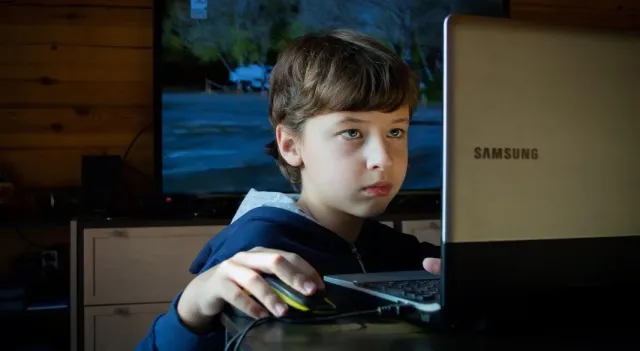
A major new international study has found a strong link between excessive screen time and mental health challenges in adolescents, including rising rates of insomnia, anxiety, and depression. The report, published by the Global Youth Wellness Foundation (GYWF), surveyed 72,000 teenagers aged 13 to 19 across 20 countries, including Bangladesh, the U.S., UK, and Japan. The study revealed that teenagers who spend more than 4 hours a day on social media or smartphones are twice as likely to report symptoms of poor sleep quality, mood swings, and lack of motivation. Digital Overload and the "Always-On" Culture "Teens today are exposed to a constant stream of notifications, comparisons, and content that overstimulates the brain," said Dr. Nafisa Chowdhury, lead researcher on the Bangladesh team. “It disrupts their sleep cycles, reduces face-to-face interactions, and fuels self-esteem issues.” Many teens reported checking their phones immediately before sleeping and even waking up at night to respond to messages or scroll through TikTok and Instagram. Mental Health Crisis in the Digital Age The study found: 34% of respondents reported signs of clinical depression 41% had trouble sleeping more than 3 nights a week 29% felt "chronically anxious" or socially disconnected Girls were more likely to report emotional distress linked to social media use In Dhaka, psychologists at private clinics say they’ve seen a threefold increase in teen patients over the past two years. What Experts Recommend Digital curfews: No screens 1 hour before bed App timers: Set daily limits for entertainment/social platforms Offline time: Encourage outdoor activities or family meals Mental health education: Include digital wellness in school curriculum Government Initiatives Underway In response to the growing concern, Bangladesh’s Ministry of Education is working with health officials to launch a "Safe Screens" campaign in schools, promoting healthy digital habits and offering workshops for both students and parents. “This is a national issue, and we must protect our next generation,” said Dr. Mostafa Kamal, advisor to the National Adolescent Health Program.
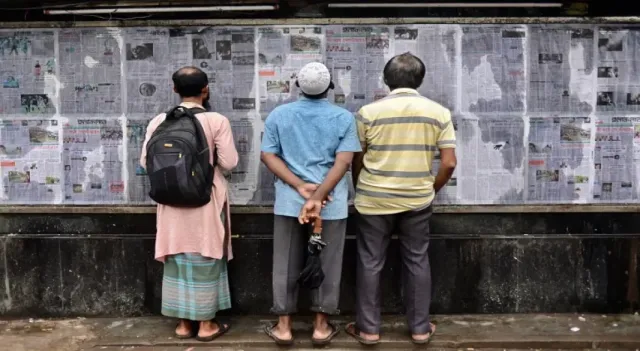
As countries across the world prepare for key elections in late 2025, governments and watchdog groups are raising alarm over the spread of misinformation and deepfake content on social media platforms. In a recent incident in the Philippines, a viral AI-generated video falsely showing a presidential candidate making controversial statements was viewed over 2 million times before being flagged and removed. Similar incidents have been reported in Bangladesh, Brazil, and parts of Eastern Europe. Experts warn that AI-generated political propaganda, shared rapidly on platforms like X (formerly Twitter) and Facebook, can erode public trust and influence voting behavior. "Platforms must act faster. Content moderation alone isn't enough," said Dr. Sadia Khatun, a political science professor at Dhaka University. “We need stronger laws, transparent algorithms, and better public education to deal with this crisis.” Tech giants including Meta and YouTube claim to be enhancing their detection systems and increasing fact-checking partnerships ahead of the election season.

Supporters of BNP leader Ishraque Hossain continued their sit-in for the fifth consecutive day today, demanding his swift swearing-in as the mayor of Dhaka South City Corporation (DSCC).

Paris Fashion Week 2025 has concluded with a powerful message to the global fashion industry: sustainability, cultural diversity, and innovation are no longer optional but essential. This year’s event, held at the iconic Grand Palais, brought together designers, models, and fashion enthusiasts from around the world to witness a significant shift in creative direction. One of the most notable highlights of this year’s shows was the overwhelming emphasis on eco-conscious fashion. Leading brands such as Dior, Balenciaga, and Stella McCartney introduced collections made entirely from sustainable materials. Stella McCartney, known for her commitment to ethical fashion, showcased garments made from plant-based leather alternatives, recycled fabrics, and organic textiles. She remarked during her post-show conference that “sustainability is no longer just a concept; it is the future of fashion.” In addition to environmental responsibility, cultural representation was strongly present throughout the event. Designers from various regions, including Africa, South Asia, and Latin America, infused their collections with traditional elements. Indian designer Anita Kumar received widespread praise for her contemporary interpretation of the sari, incorporating digital embroidery and minimalistic draping. Nigerian label Ogechi blended bold Ankara prints with modern streetwear cuts, making a statement about heritage and identity in the modern world. Technology also played a significant role this year. Several designers experimented with smart fabrics, augmented reality (AR) experiences, and even garments that change color or shape based on environmental conditions. One of the most talked-about presentations was a 3D-printed dress that moved in sync with music, creating an immersive experience that quickly went viral on social media platforms. Inclusivity was another key theme. The runways featured models of all body types, genders, and ethnic backgrounds. Many praised this year’s fashion week for finally representing a more realistic and diverse image of beauty that resonates with audiences worldwide. Paris Fashion Week 2025 has set a new benchmark, reminding the industry that fashion is not only about aesthetics but also about responsibility, technology, and authenticity. As buyers and critics return home, the global industry is left with a clear message: the future of fashion is sustainable, inclusive, and culturally rich.

Paris Fashion Week 2025 has concluded with a powerful message to the global fashion industry: sustainability, cultural diversity, and innovation are no longer optional but essential. This year’s event, held at the iconic Grand Palais, brought together designers, models, and fashion enthusiasts from around the world to witness a significant shift in creative direction. One of the most notable highlights of this year’s shows was the overwhelming emphasis on eco-conscious fashion. Leading brands such as Dior, Balenciaga, and Stella McCartney introduced collections made entirely from sustainable materials. Stella McCartney, known for her commitment to ethical fashion, showcased garments made from plant-based leather alternatives, recycled fabrics, and organic textiles. She remarked during her post-show conference that “sustainability is no longer just a concept; it is the future of fashion.” In addition to environmental responsibility, cultural representation was strongly present throughout the event. Designers from various regions, including Africa, South Asia, and Latin America, infused their collections with traditional elements. Indian designer Anita Kumar received widespread praise for her contemporary interpretation of the sari, incorporating digital embroidery and minimalistic draping. Nigerian label Ogechi blended bold Ankara prints with modern streetwear cuts, making a statement about heritage and identity in the modern world. Technology also played a significant role this year. Several designers experimented with smart fabrics, augmented reality (AR) experiences, and even garments that change color or shape based on environmental conditions. One of the most talked-about presentations was a 3D-printed dress that moved in sync with music, creating an immersive experience that quickly went viral on social media platforms. Inclusivity was another key theme. The runways featured models of all body types, genders, and ethnic backgrounds. Many praised this year’s fashion week for finally representing a more realistic and diverse image of beauty that resonates with audiences worldwide. Paris Fashion Week 2025 has set a new benchmark, reminding the industry that fashion is not only about aesthetics but also about responsibility, technology, and authenticity. As buyers and critics return home, the global industry is left with a clear message: the future of fashion is sustainable, inclusive, and culturally rich.